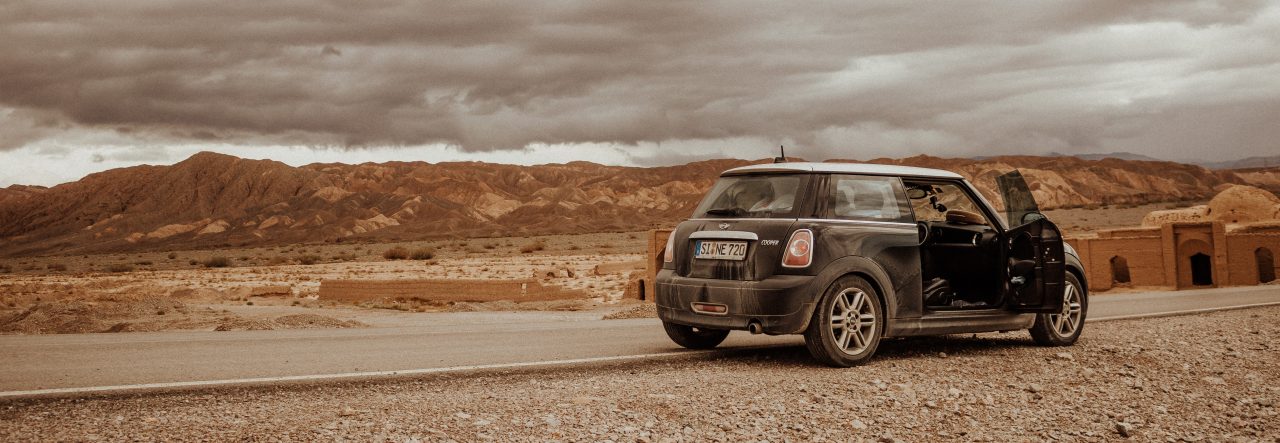
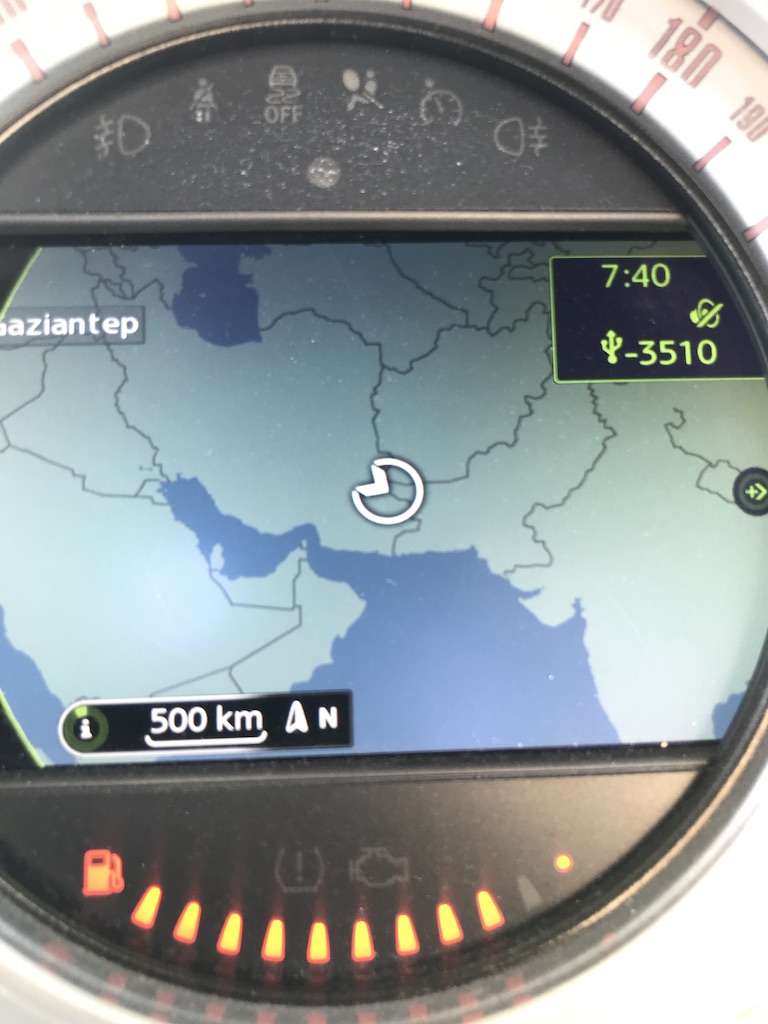
My father is a worrier. That’s his only hobby as far as I can tell. Probably something to do with having to grow up too fast and taking over farming from my grandfather and dealing with various challenges and hurdles that come your way for not being born rich in Pakistan. Even though he was very excited for us to make this trip, he was also very worried about our safety and how we’d be treated by people, specially officials at borders, wherever we went. All this reached its peak as we approached the Pakistani border itself.
You see, it was all fine and good that we had navigated borders of 8 countries already, we needed some help and ‘facilitation’ once we were at the Pakistani border. Not our opinion, but of my dad.
So when we did enter the country, he had been calling all the people he knows between Taftan and Lahore, including all those along the alternate routes. He was asking about places we could spend the night. Places where we could refuel. I’m pretty sure he’d have driven to the border to accompany us himself if his health allowed it.
We did arrive at the Iranian side of the border early in the morning. Apparently, the hotels in Zahedan are made to inform the police of any people that might be heading towards the border so that they can escort them to the terminal safely. The Eastern part of Iran has seen plenty of violence and smuggling is a continued problem, with all the unsavoury people and groups that come along with it. For some reason, the hotel was caught off guard as we set out early in the morning and didn’t get an escort from local police. (This did allow us to get there, slightly faster than we could have while following a police vehicle).
Same as with the Turkish border, we were signalled to bypass the long line of waiting trucks and head straight to the front of the queue. The paperwork was fairly straightforward too and after a summary look at our bags by the customs, we had our stamps and were passed on to the Pakistani side of the gates.
The immigration was quick as we had arrived before the crowds that arrive on busses.
The customs, however, were not there yet. It was just too early for them as (we later found out) they start late and work till 7 pm. This is supposedly a 24 hour border but things work slightly differently in these parts of the world. Hardly anyone travels here during night time as Mirjaveh on the Iranian side and Taftan on the Pakistani side are far from the next towns in the deserts either side.
With the Carnet de Passage stamped and a note in my passport that I was bringing in a car with me, we were free to continue towards Quetta.
All our research had told us that any foreign vehicle was accompanied by Levies (local paramilitary to supplement regional police) all the way to Quetta at least and in some cases, to border of Balochistan. I don’t know if it was the fact that we were not locals or that it was just too early in the morning, but we were able to get away with it and sped away.
What followed was quite an experience in bureaucracy and security management that you’d probably not have in many other places in the world. Every 20km or so, there were check posts of either the Frontier Constabulary (another paramilitary organisation, separate to the police, Levies, Army), Levies or Customs. At every such post, we were required to go through ID checks, questions about where we are coming from, where we are going. At some, it was simply limited to questioning. At others, we had to hand over our IDs to the guards and they would return after a few minutes, having called them in to some control room and noting them down in their registers. At some, I had to get out of the car and had ourselves registered in person.
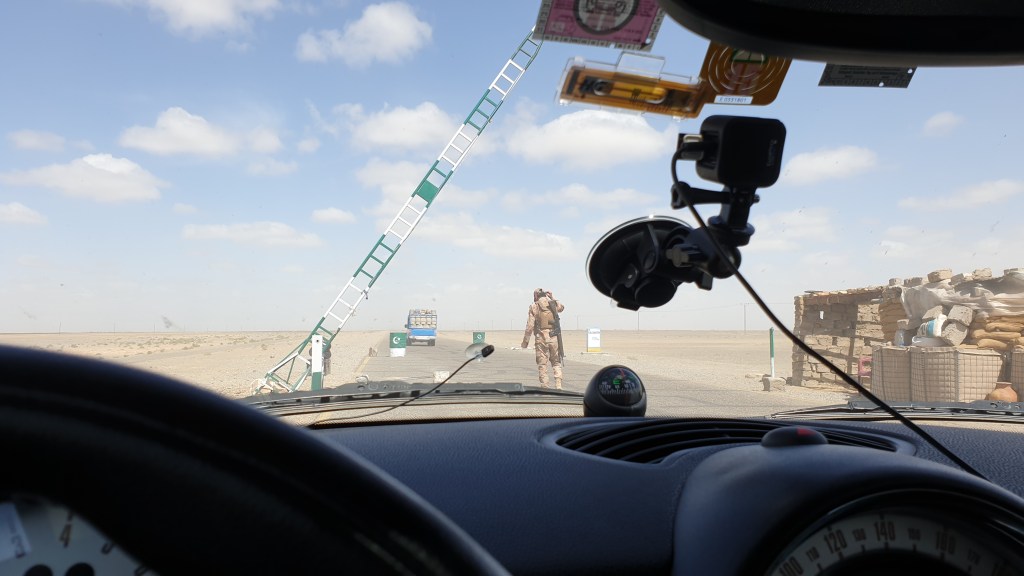
I shouldnt complain as understandably, all this was to make sure we’ll make it alive out of this area that has seen a lot of violence. People have been killed for belonging to the wrong sect (Shia pilgrims have been taken off buses and shot execution style), being from other provinces (separatists in Baluchistan have targeted workers from other provinces as they are seen as settlers or taking away jobs from locals) and foreigners have been kidnapped for ransom or demands for exchange with people in custody of the authorities. But imagine the hardship these checks pile upon the locals who have to make these road journeys every single day. Many of them are extremely poor (Baluchistan is one of the world’s poorest regions, despite having enormous natural resources that are being exploited, without the locals’ lives seeing any meaningful benefits), illiterate and often don’t have government issued IDs. These checks appear a lot more hostile for the local population than they do to an occasional visitor.
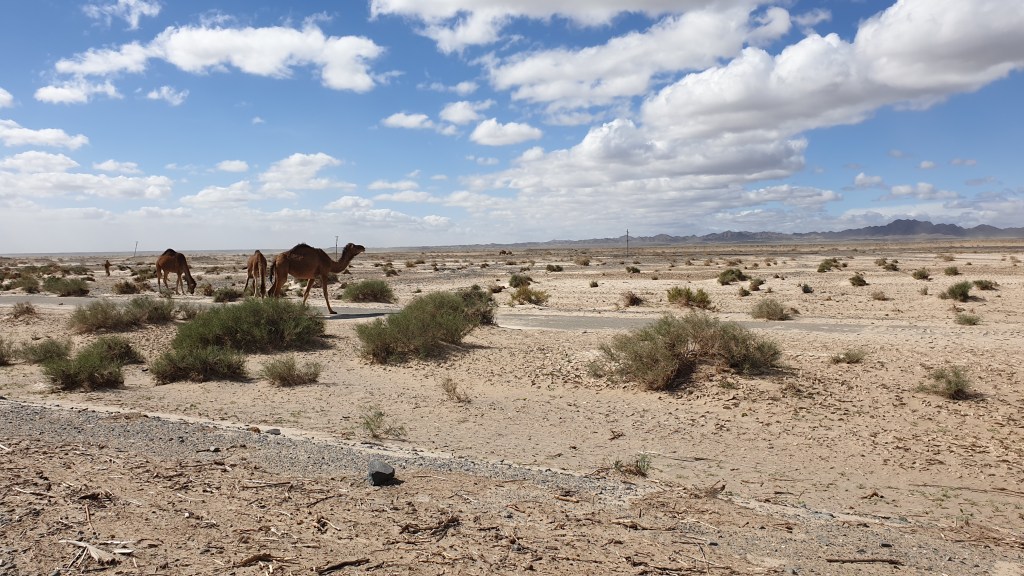
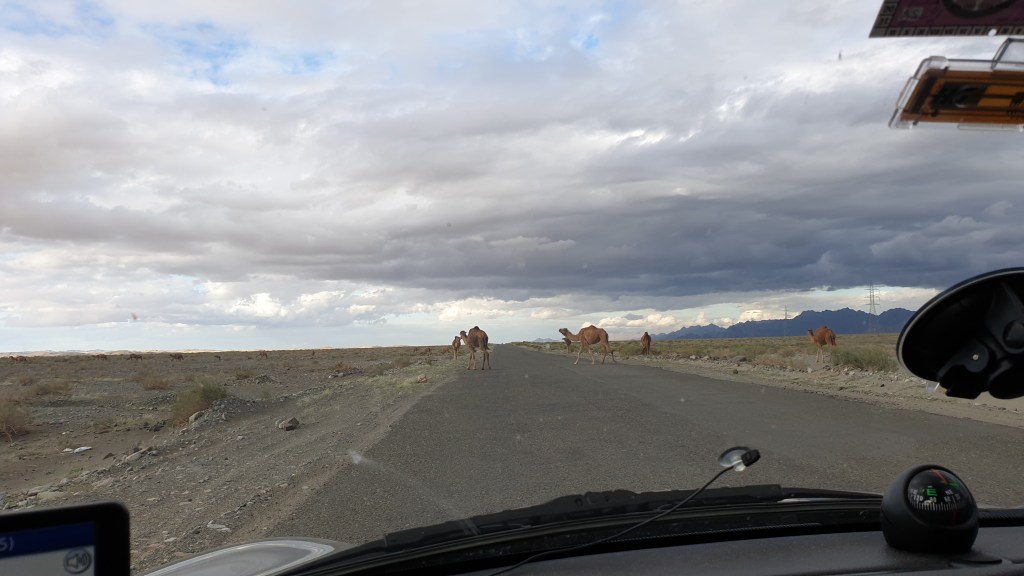
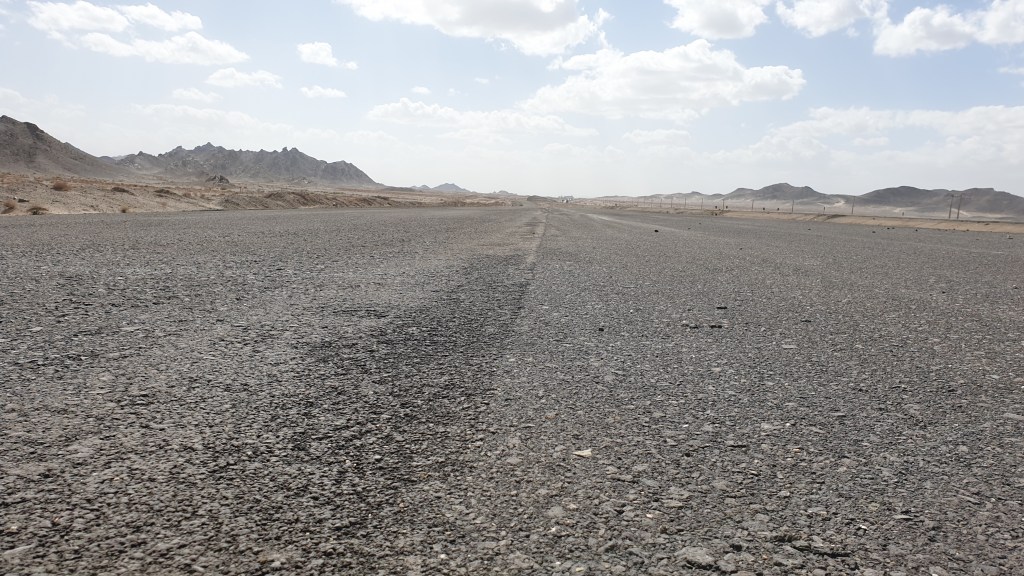
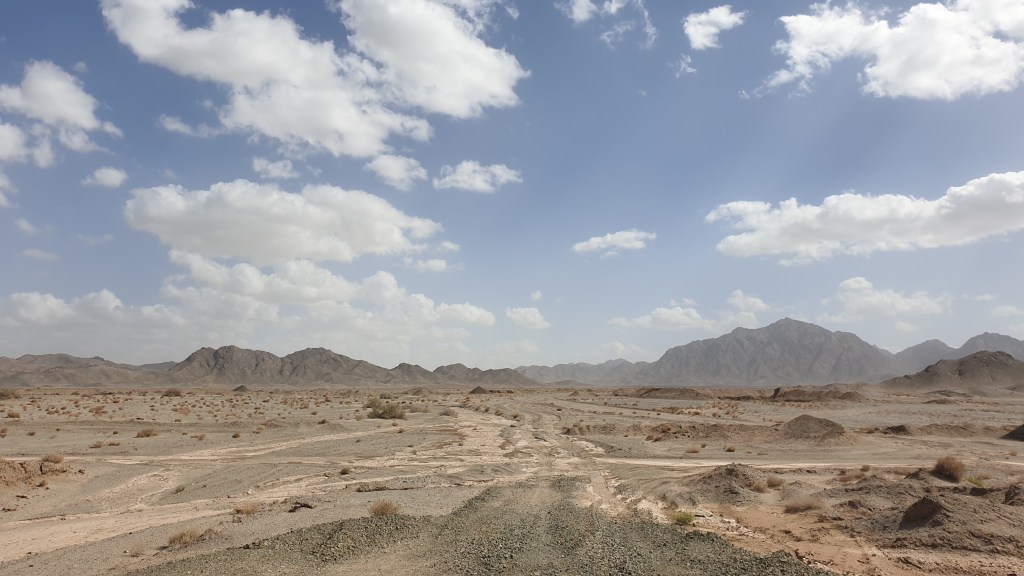
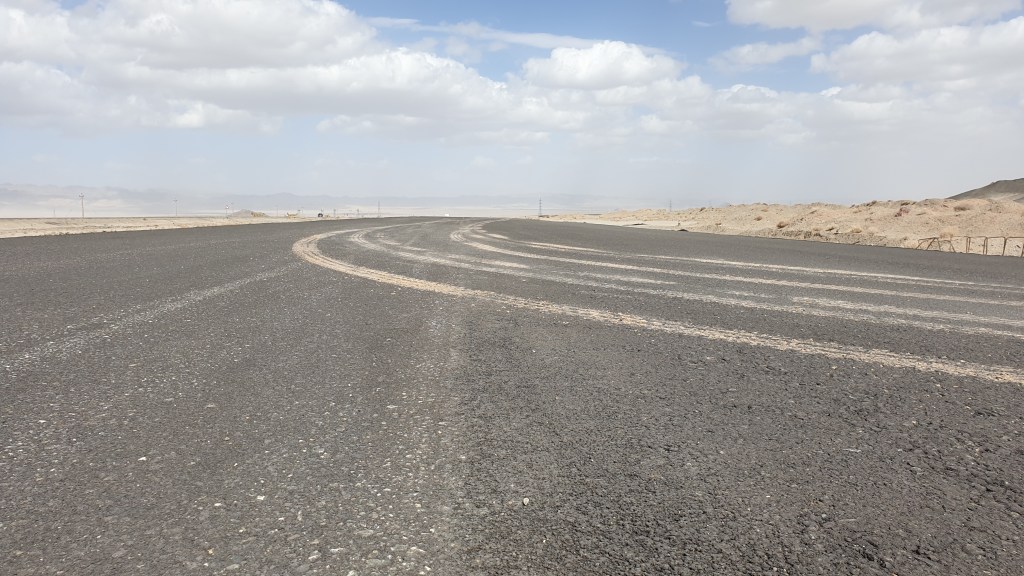
Baluchistan is Pakistan’s most beautiful area and the landscape is simply mesmerising. There is obviously great potential for tourism here and the government is trying to get things rolling after neglect of decades but any such progress will have to include the local population. Without their active involvement and betterment, all of these measures are meaningless.
Slowed down by the check posts and having to haggle every time to let us drive without a security escort meant we couldn’t make it to Quetta before nightfall and spent the night in Nushki instead.
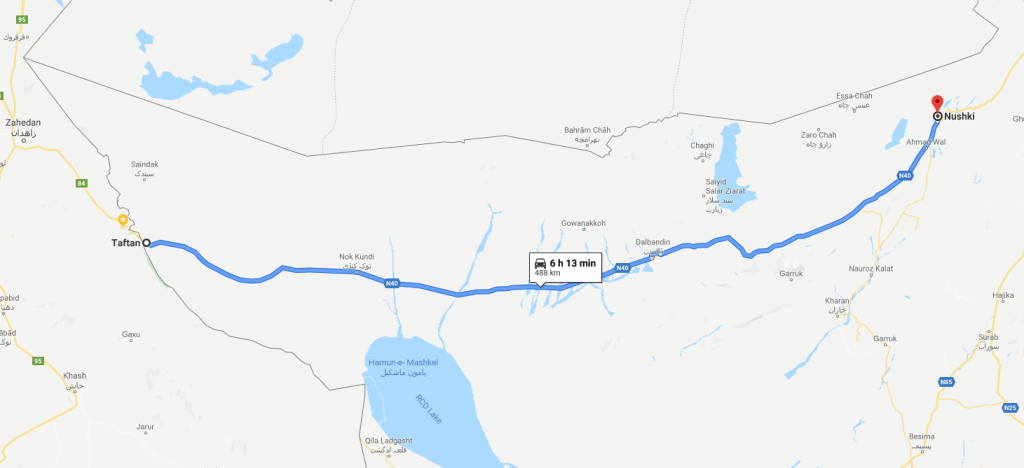
We would have loved to spend some time in Quetta but Hira was barely surviving the ride on 8 pain killers a day so we couldnt wait to get to our final destination.
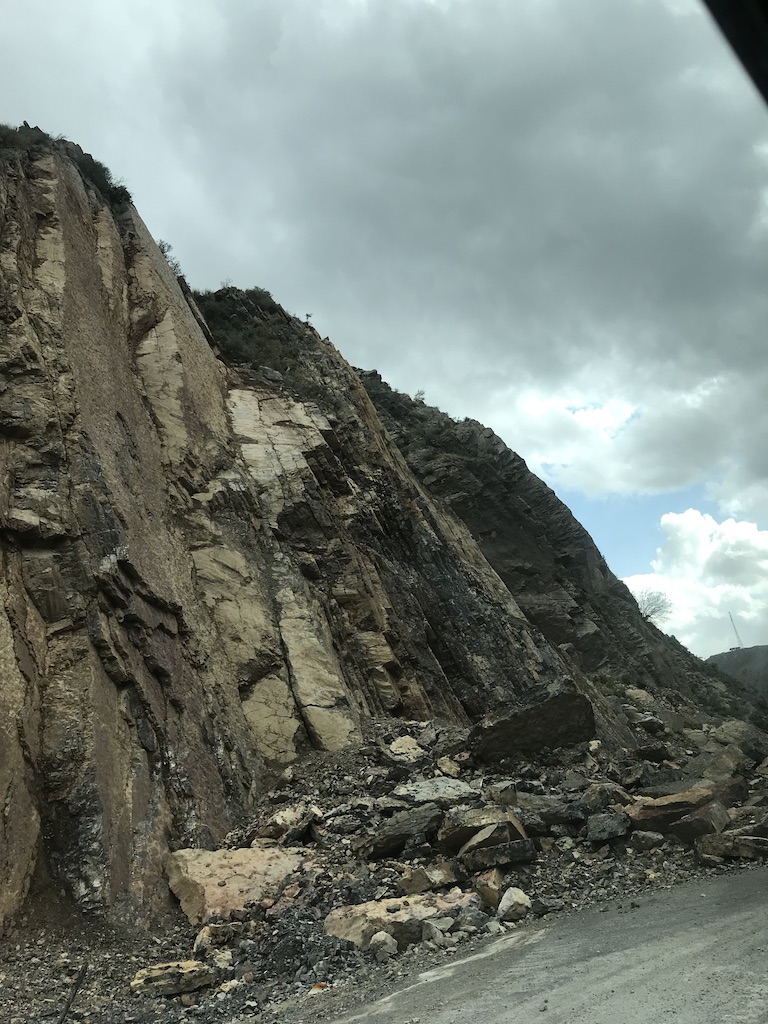
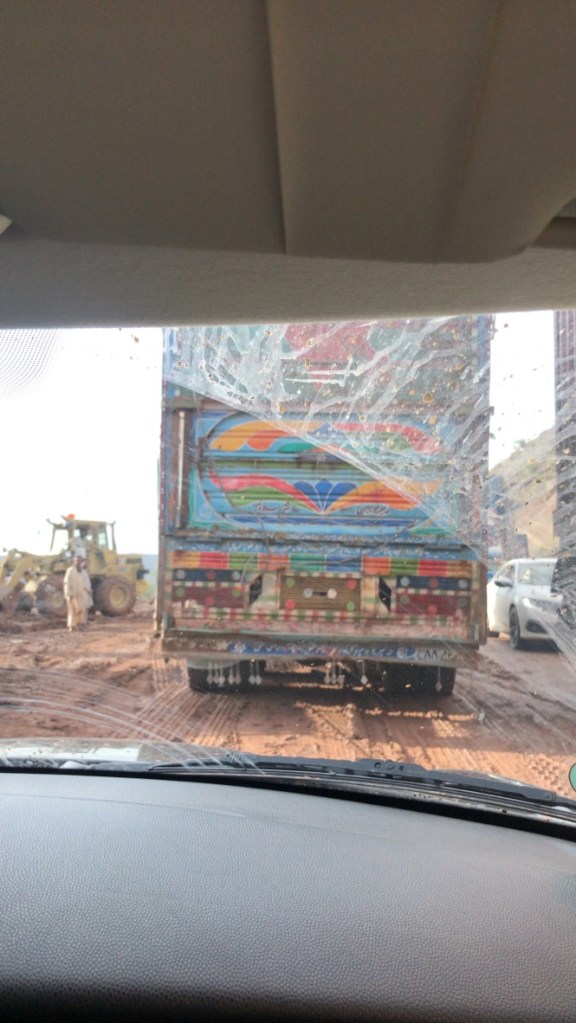
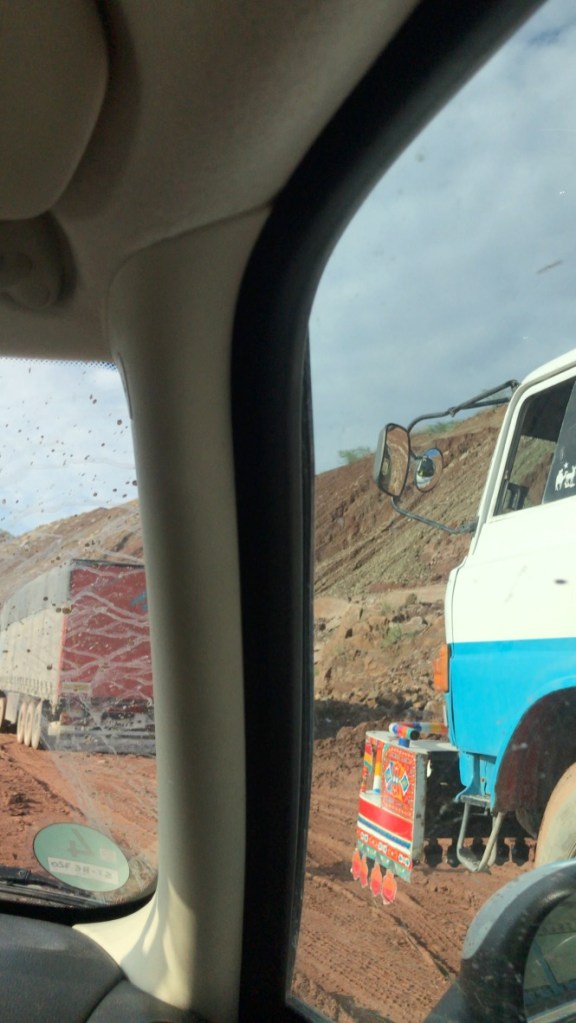
The next day, we drove to Dera Ismail Khan, in the Khyber Pakhtunkhwa Province, via Zhob. The drive from Taftan to D.I. Khan was one of the most beautiful section of the whole trip. Some sections are still under construction and due to land sliding and mud sliding, there were moments where we didnt think the poor little mini would make it to the other side. But it did.
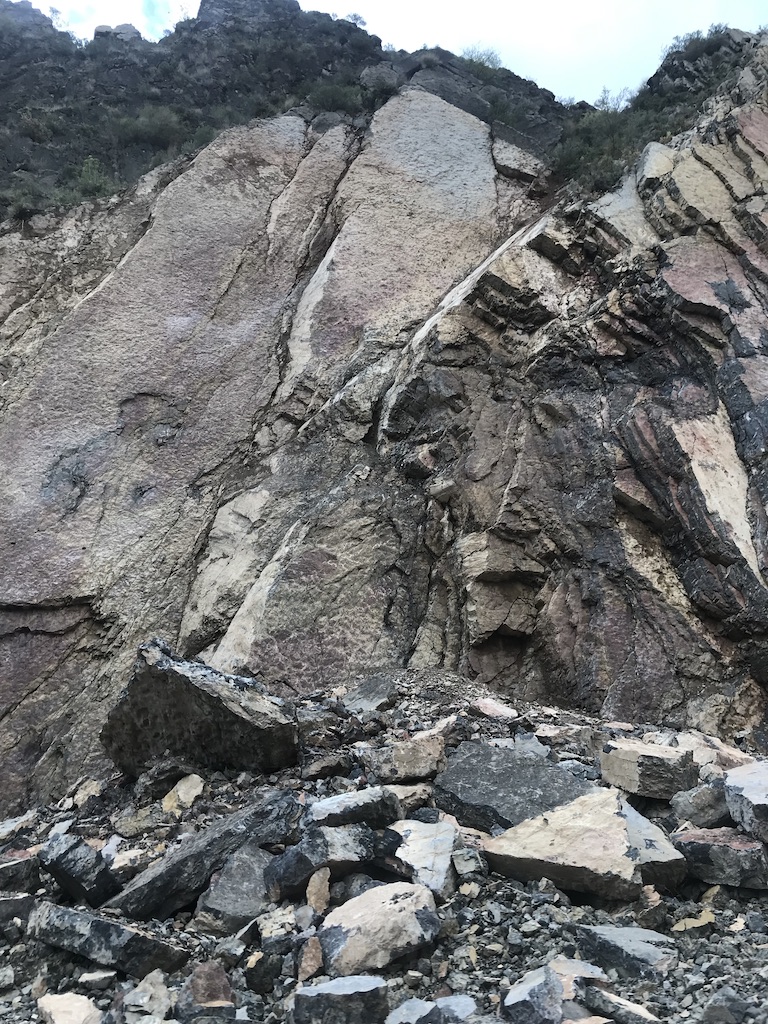
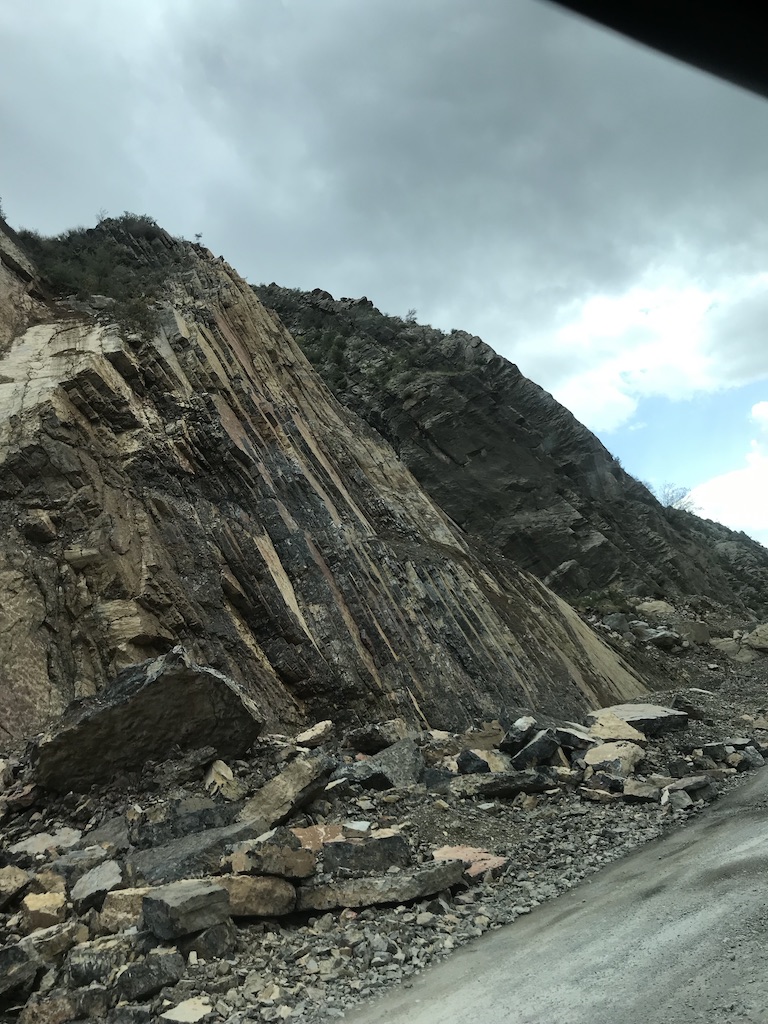
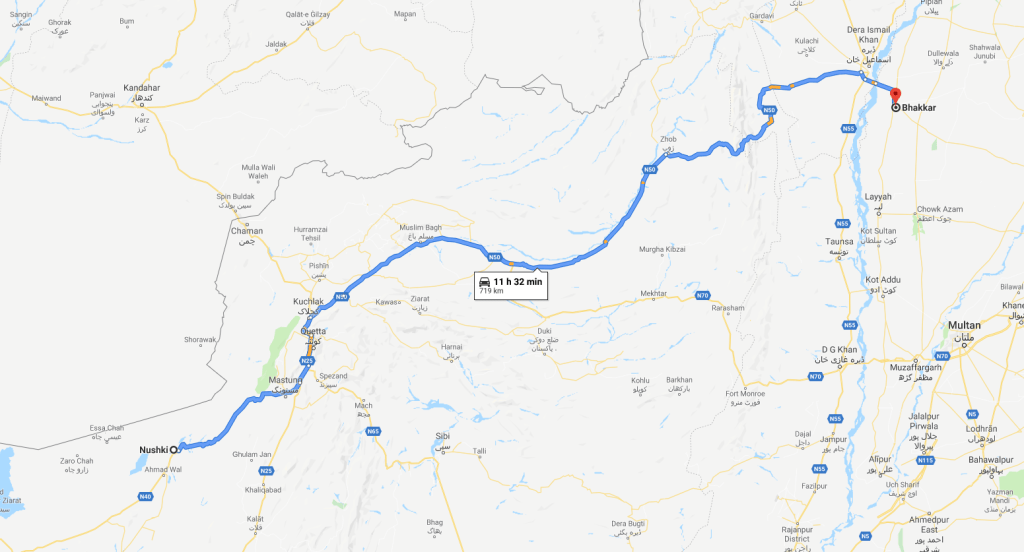
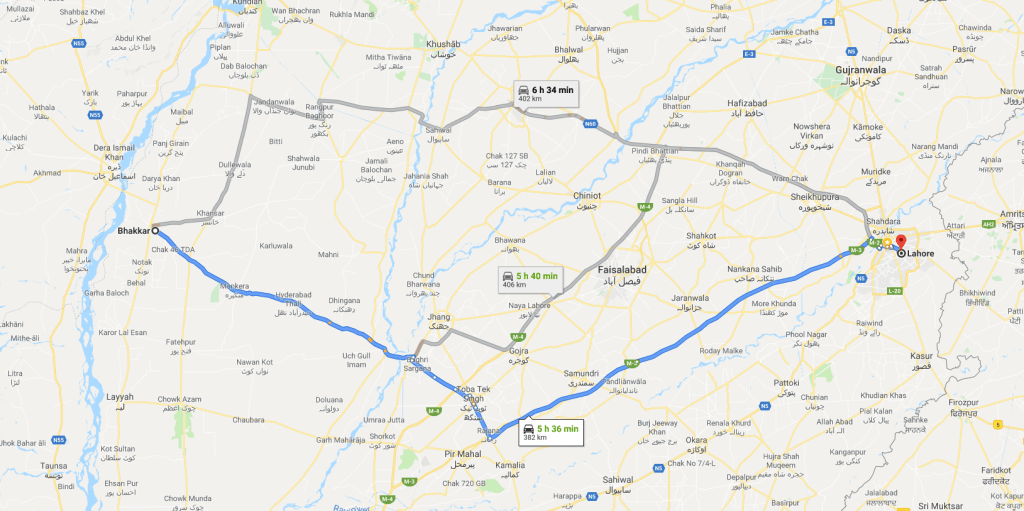
We spent the second night in a hotel in Bhakkar and made it to Lahore on the third day.
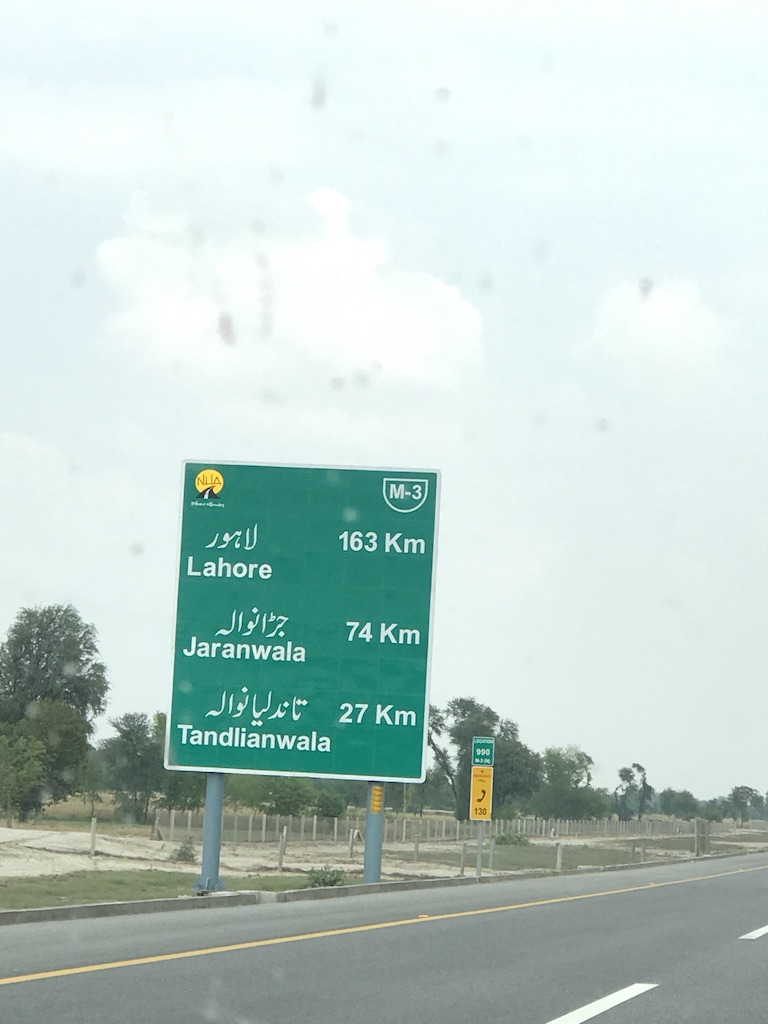
We had travelled a little over 9,000 km in an 8 year old Mini Cooper that nobody thought would go the whole distance without breaking down. All I needed to do was check tyre pressure and various oils and coolant levels and it didnt so much as overheat. Had it checked at the local BMW dealership in Lahore and even they confirmed that everything was A-OK.
We would spend the next months at home, with the family. Unfortunately, Hira would be bed ridden for nearly three months more as she received treatment. This was a major blow to her as she had planned to work on various projects as photographer but health takes priority over it all. At the time of writing this piece, we are back in Germany and she’ll be having more tests done by the local doctors that have been treating her before and she’s doing much better and thankfully, had none of the same ailments as on the journey to Lahore.
We did go on a road trip to Hunza with the whole family but since it wasnt done on Mini (biggest mistake), we wont be sharing any of the photos of that but just a general observation: Pakistan governments have tried for years to promote tourism in the country but failed. The security situation has improved vastly over the years but frankly the overall infrastructure is simply not fit for purpose. Outside the major motorways, roads are unsafe. Mobile networks have little to no coverage in remote areas, leaving people without as much as a possibility to contact emergency services if need be. Hotels are substandard and general safety of visitors is not guaranteed. All this is a recipe for disaster and if foreign tourists are the victims, it’ll be an even bigger news. Any drive to promote tourism to foreigners must be built on providing these basic services to the local population, otherwise it just wont work.
I’ll be doing a couple more posts with our experience of the return leg (yes, with pictures) in the coming days. Thank you all for reading and sharing so far.
p.s. For those that dont know, the Mini marketing team in Middle East picked up this blog and photos on it and shared it to their followers on Facebook and Instagram.
 MINI Overland