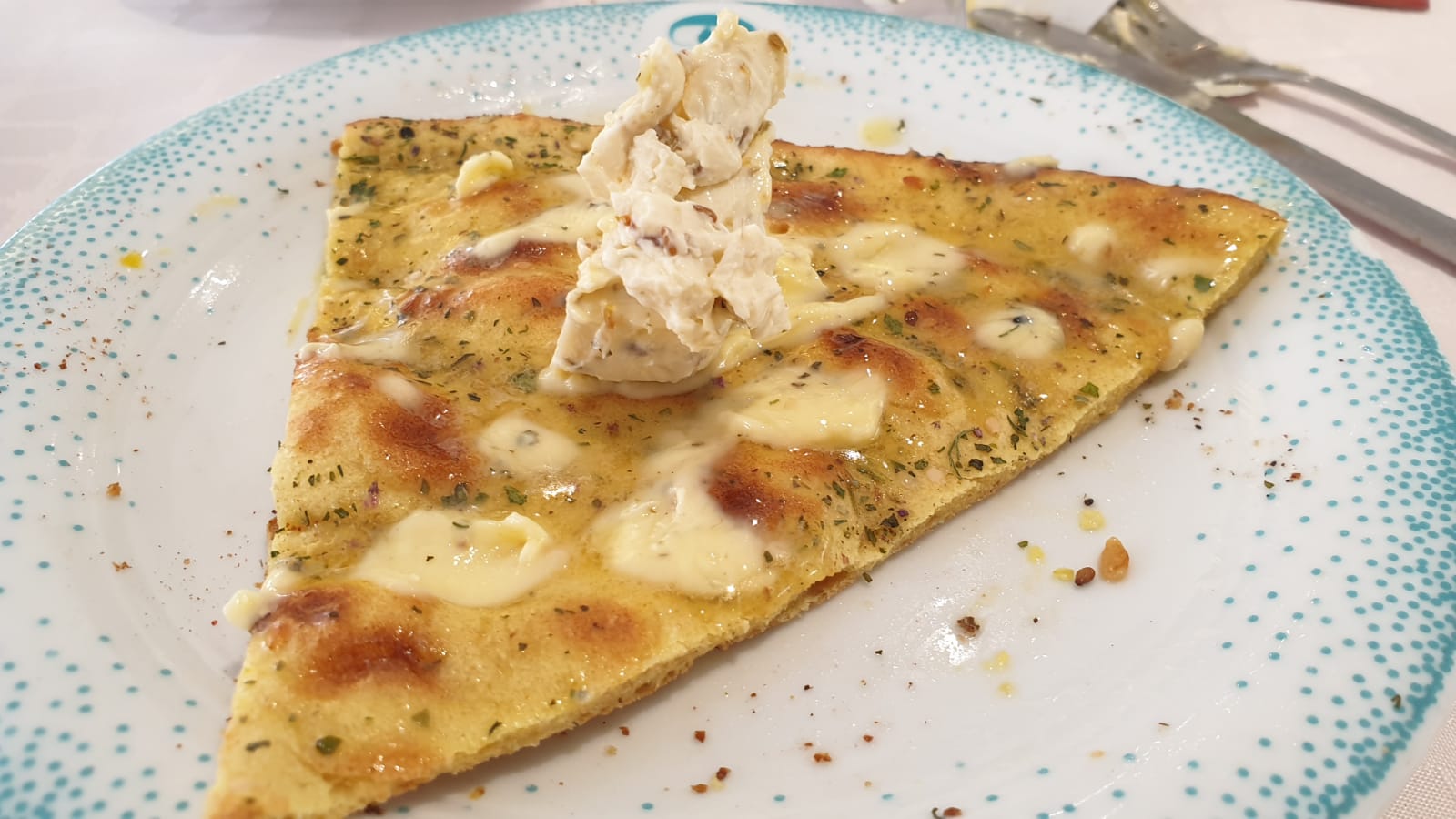
Hotel Dad serves a great breakfast. My personal favourite was a bread, with herbs in the dough. We had it with ‘zeera paneer’ (cheese with cummin seeds in it). Heavenly. I’d go there for this bread alone.
Thankfully, there is much, much more.
Yazd is unique. You could even say, ‘quintessentially Persian’ if you wanted to use the white man’s jargon for describing others. Fact is, due to it’s location Yazd has enjoyed a history that allowed it to grow and survive as well as prosper, somewhat insulated from the rest of the country. It even made it through the Mongol conquests unscathed (They did conquer it eventually but somehow didn’t destroy it like so many other great urban centres of the time). It has it’s very own dialect of Farsi. People have lived here for thousands of years. Caravans, armies and wares have made stops. There are Zoroastrian Temples and ritual sites, many of them survive and are well maintained (10% of the population follows this religion today). The once sizeable Jewish community is no more, sadly, but the synagogues remain. There were eight in total for the vibrant community, before they left for Israel. Iran continues to have the Middle East’s largest Jewish population outside the State of Israel.
And mosques.
Grand, splendid mosques.
Like the Jameh Masjid (Grand Mosque) of Yazd. This mosque, built first in the 12th century and later expanded in the early 14th, is one of the finest examples of Persian (Azeri) architecture that you’ll ever see. Highest minarets in Iran too. As was typical for the time, the mosque was placed at the heart of all urban centres, with bazaar, schools, government offices all built around it. This being smack in the middle of the desert, it helps that a Qanat (underground canal) runs right at this location, providing fresh water, not only for the mosque but for the whole complex.
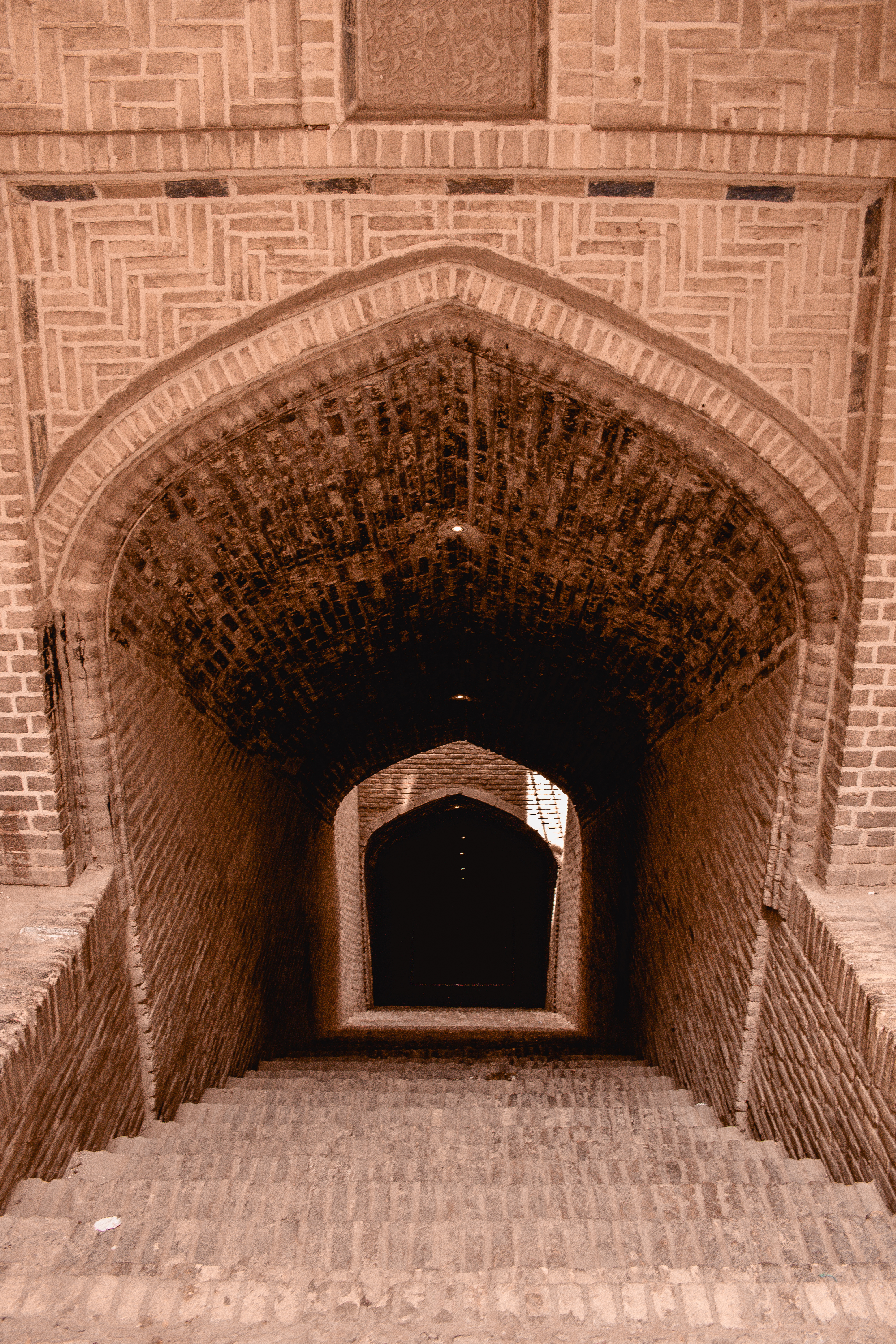
Yazd’s Qanats are still operational and well maintained.
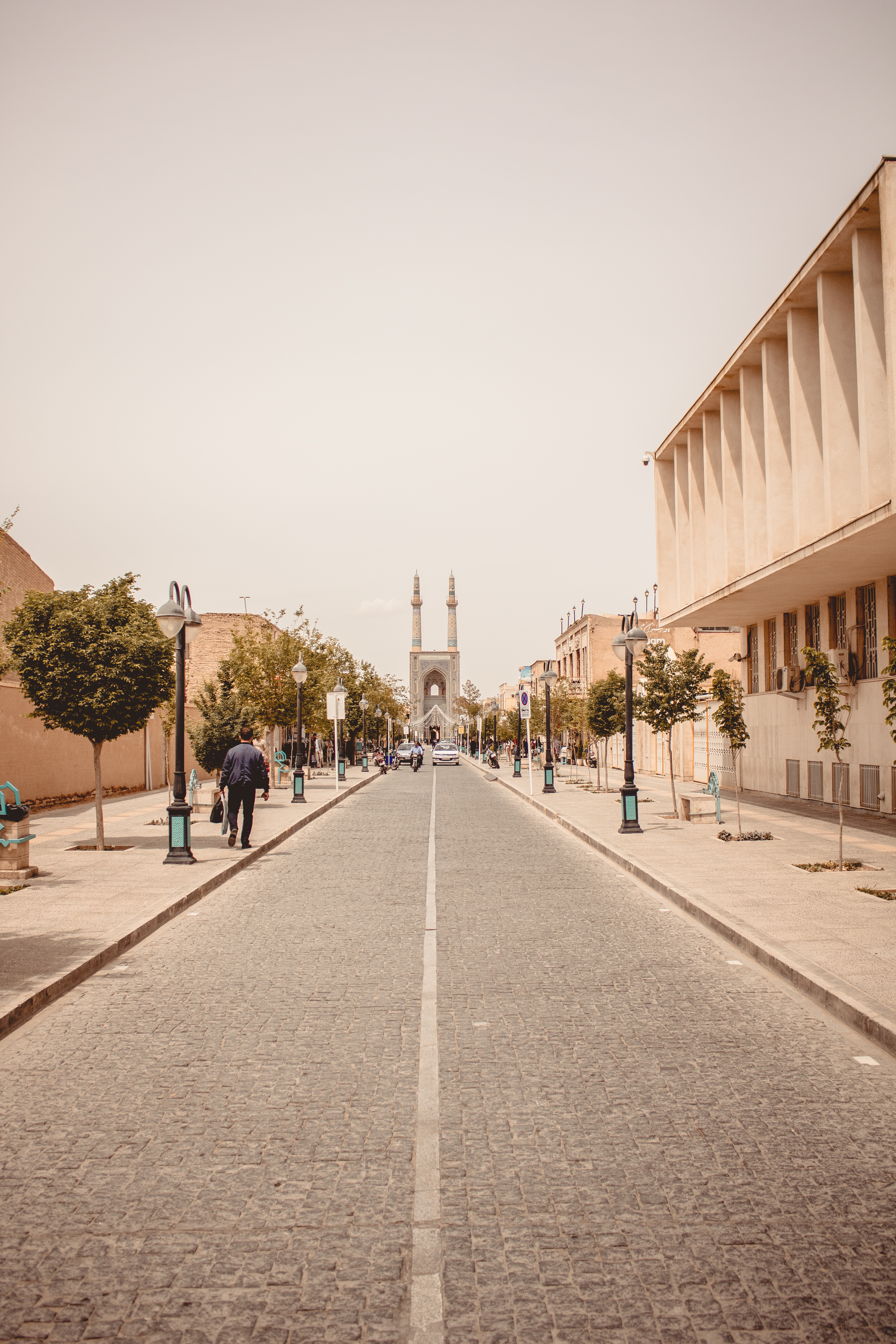
A wide street leads up to the mosque. 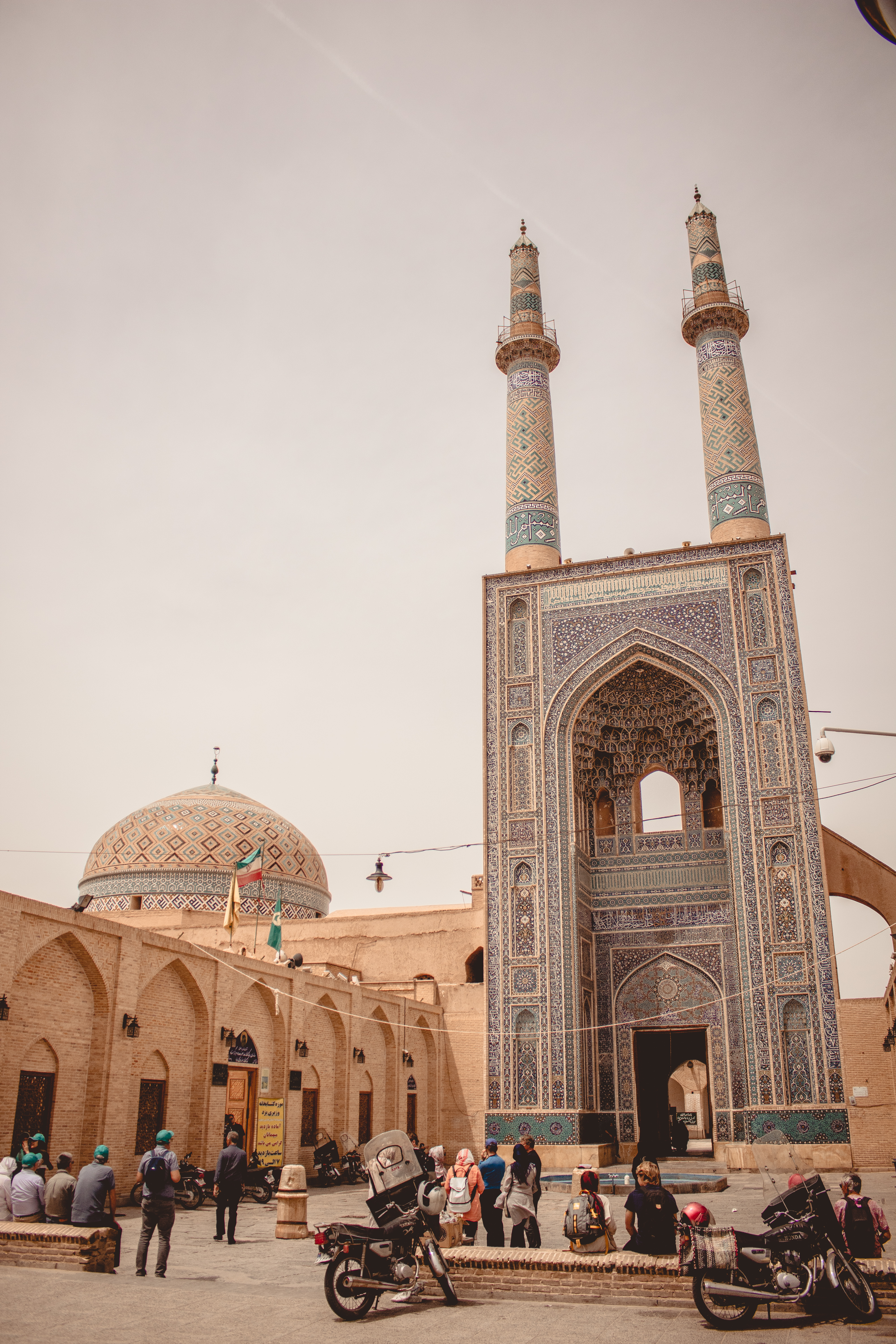
Minarets and the grand dome. 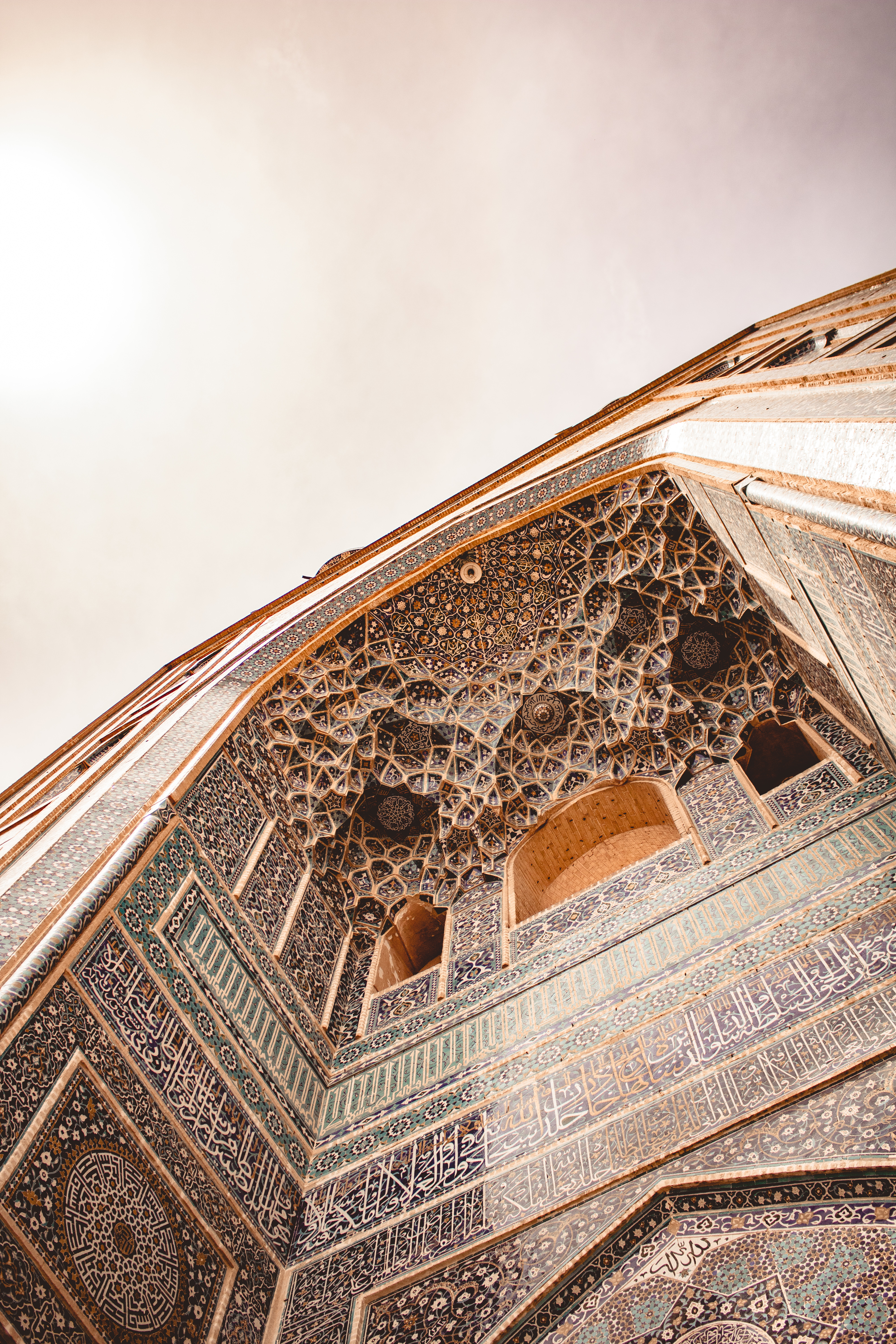
The beautiful main gate. 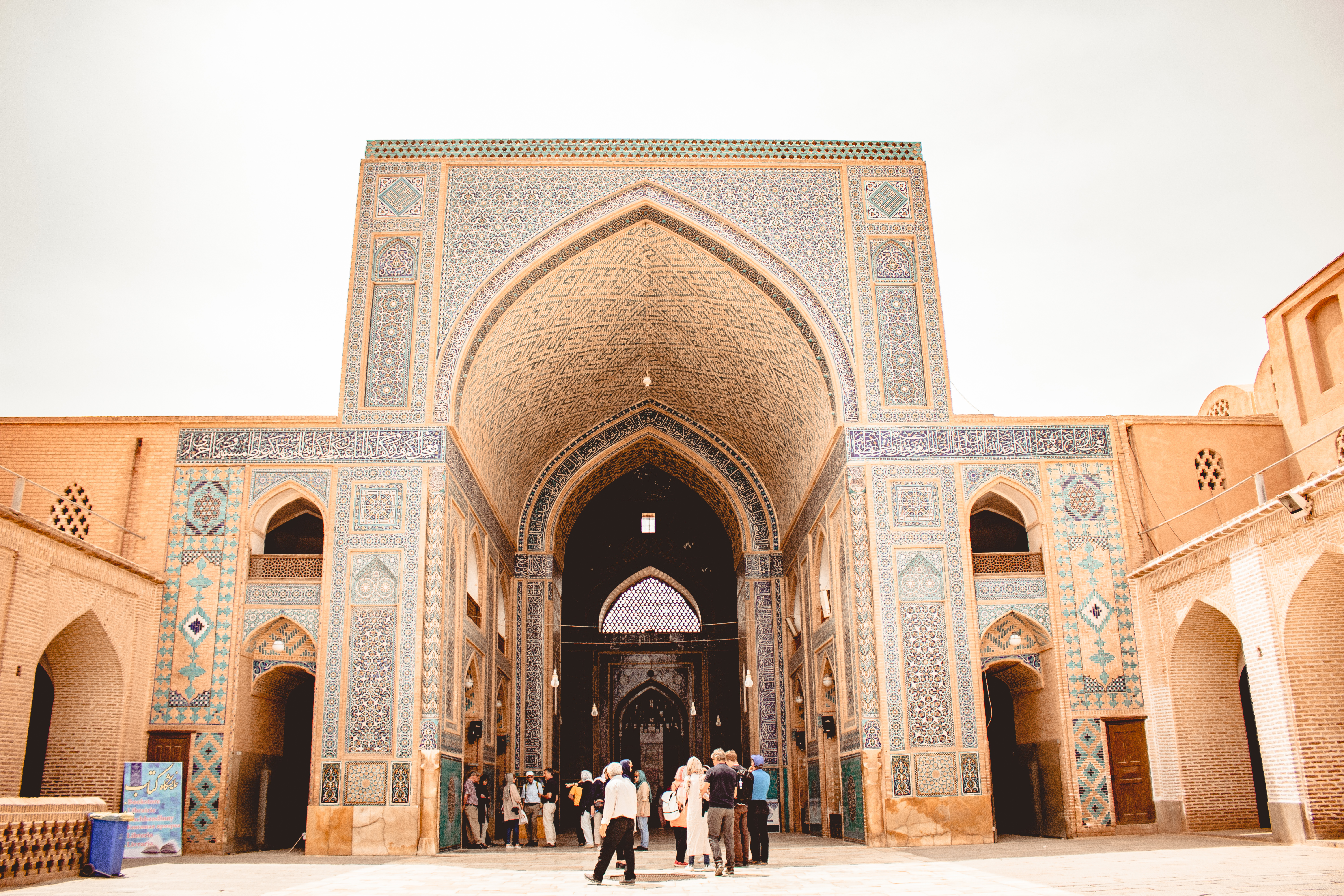
Main part of the mosque, with the entrance to the dome. This is where the Imam would lead the prayers. 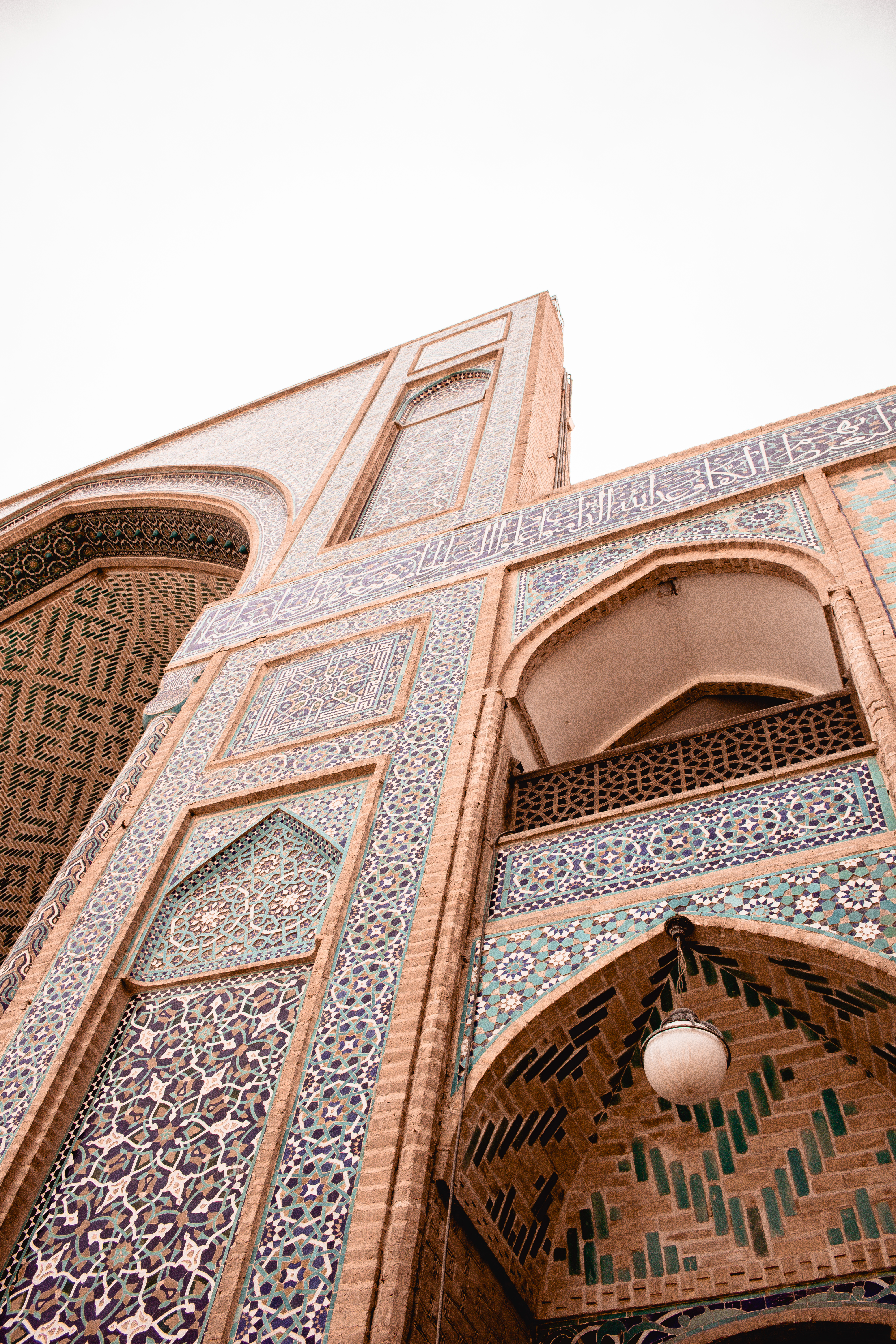
They geometrical patters and mosaics that would go on to define Muslim architecture from Morocco to Xinjiang. 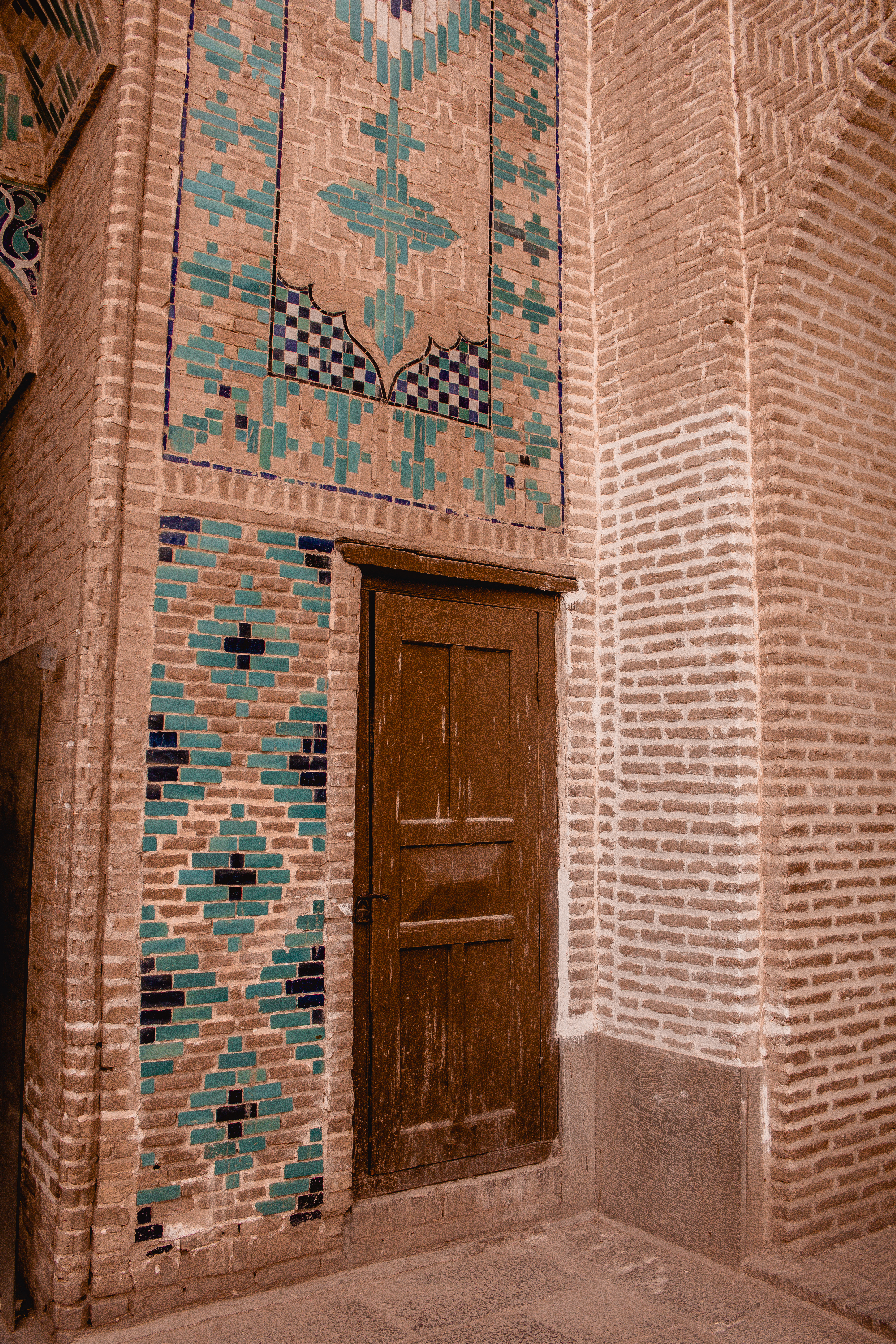
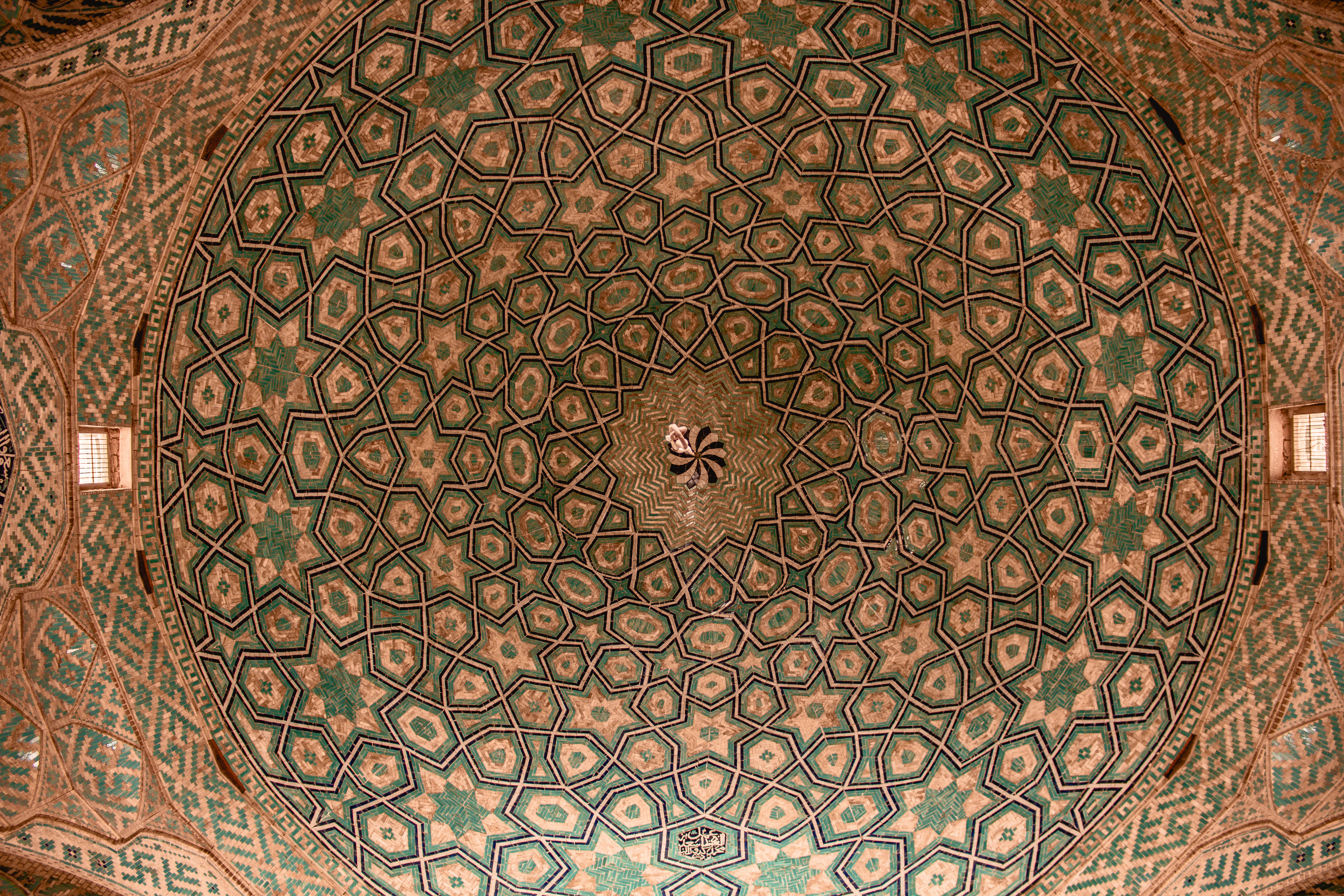
The ceiling of the dome. 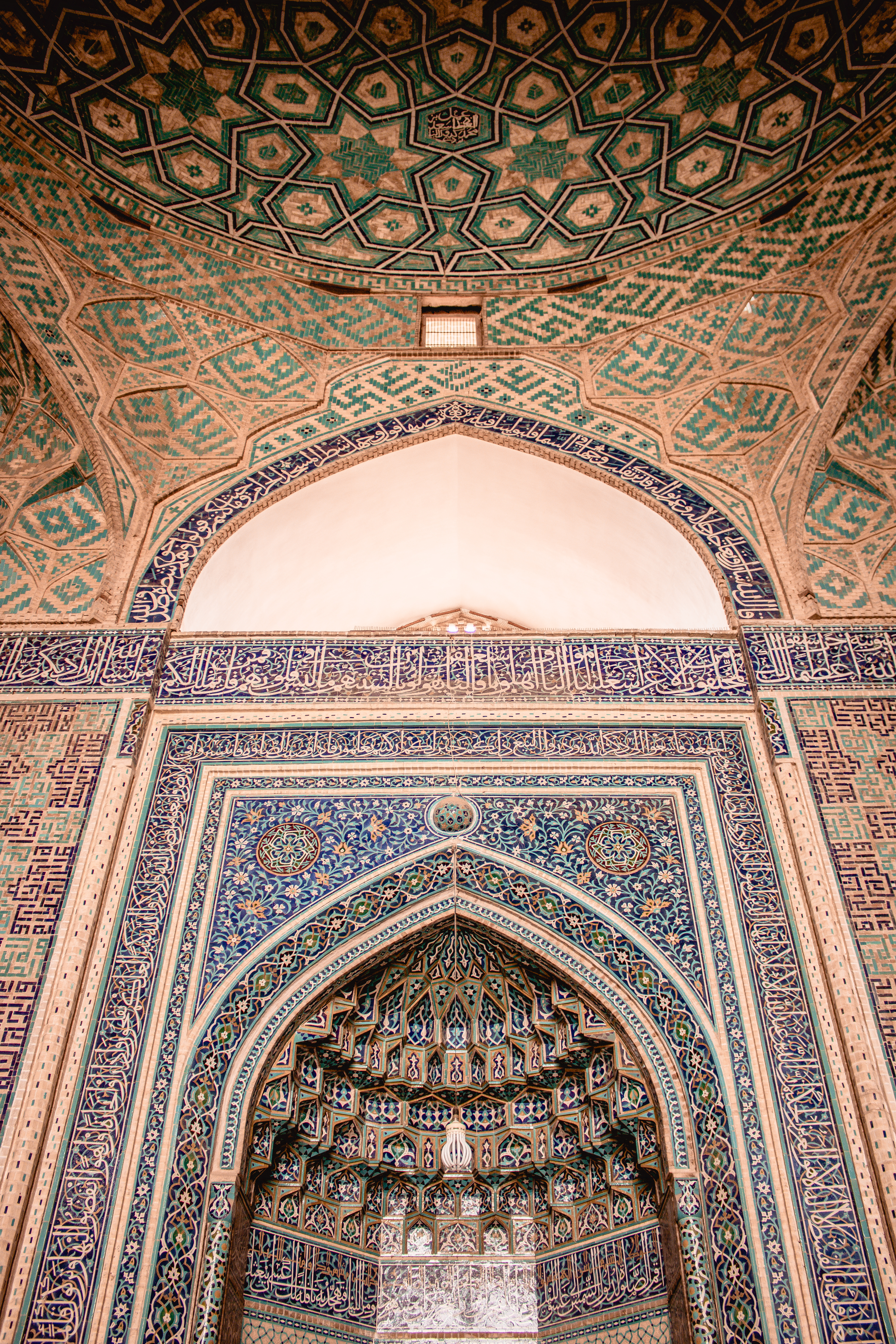
Imam’s place. 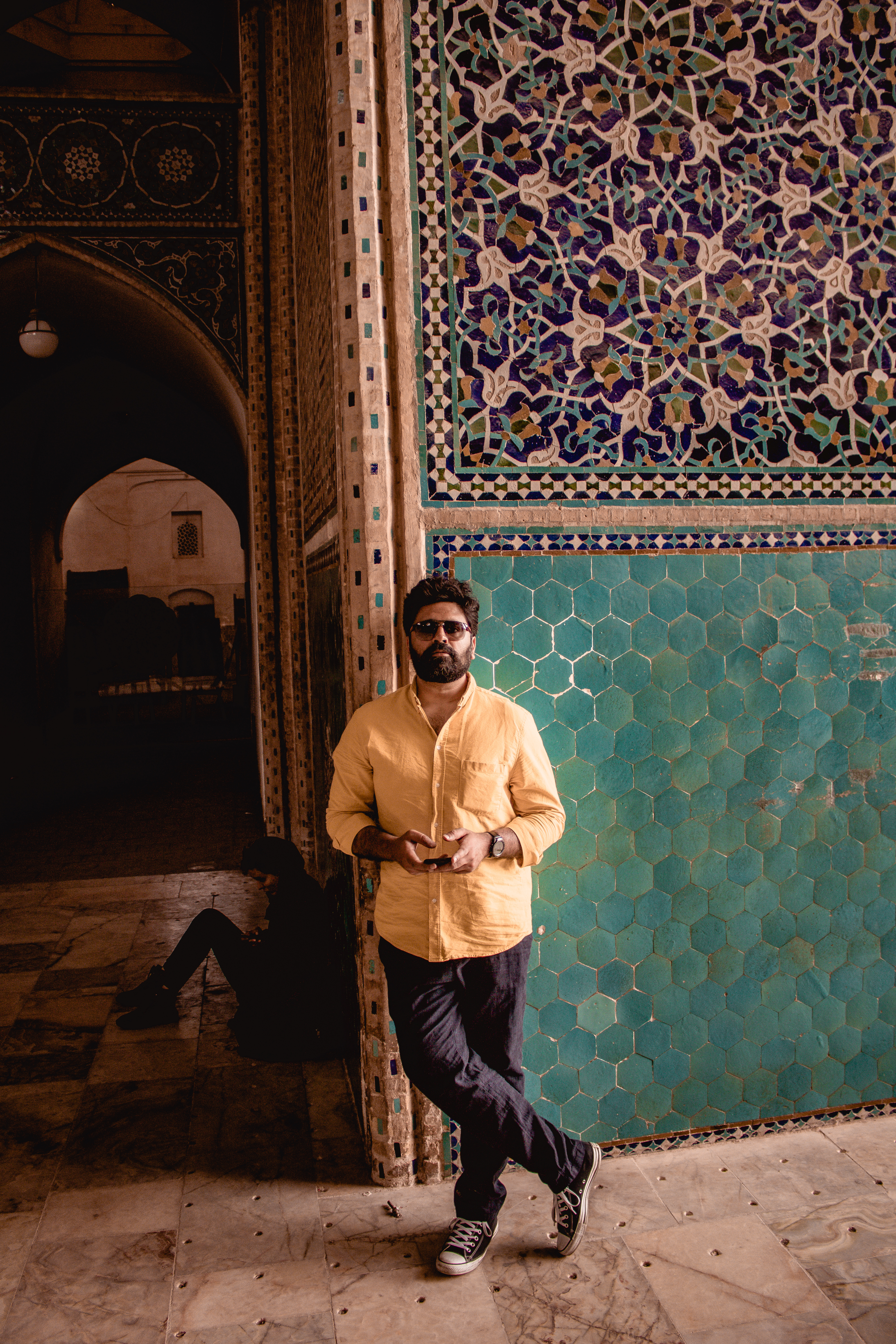
A willing photo subject. 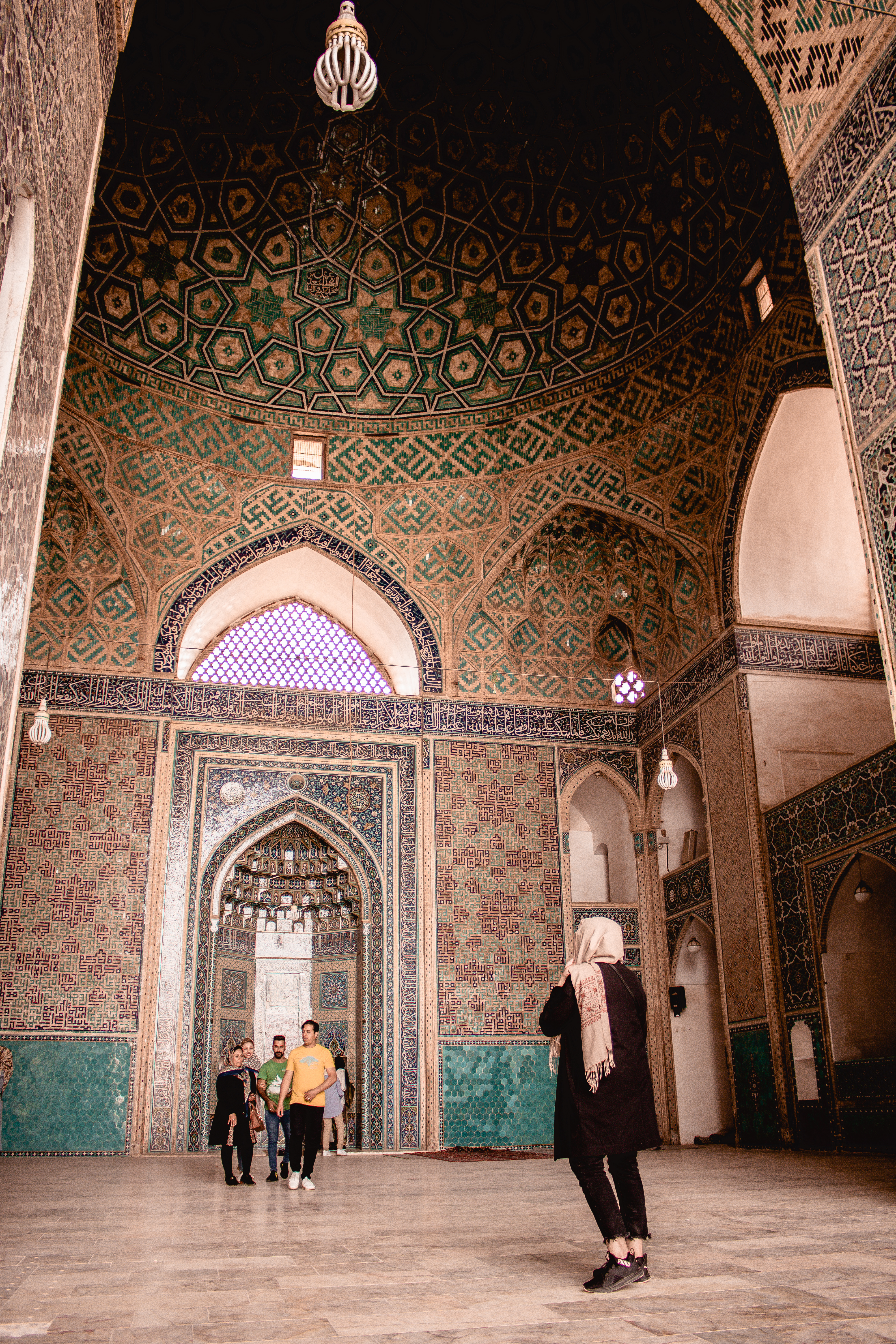
The artist herself. 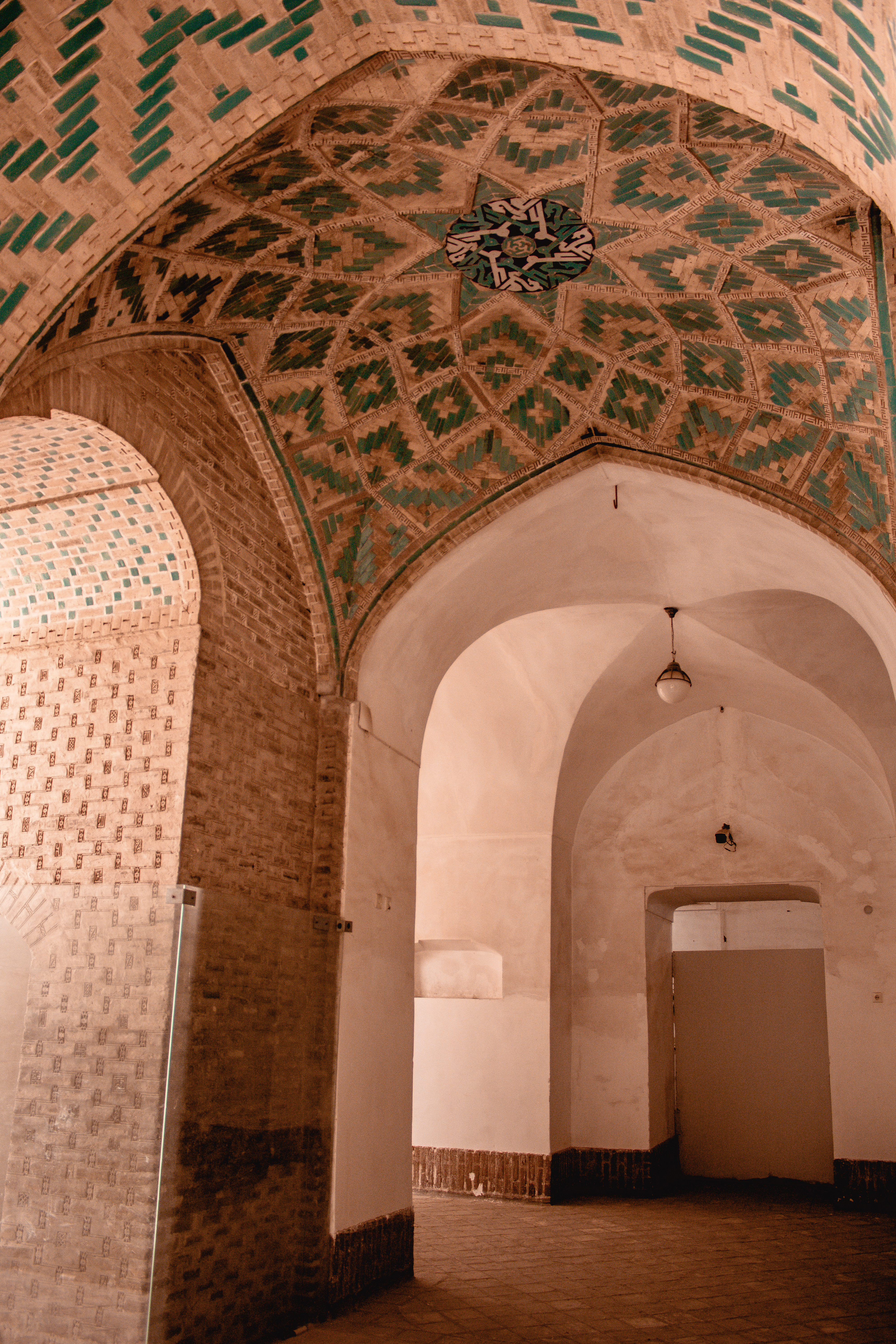
Connecting spaces that both lead the prayer sounds across the mosque as well as provide shade. 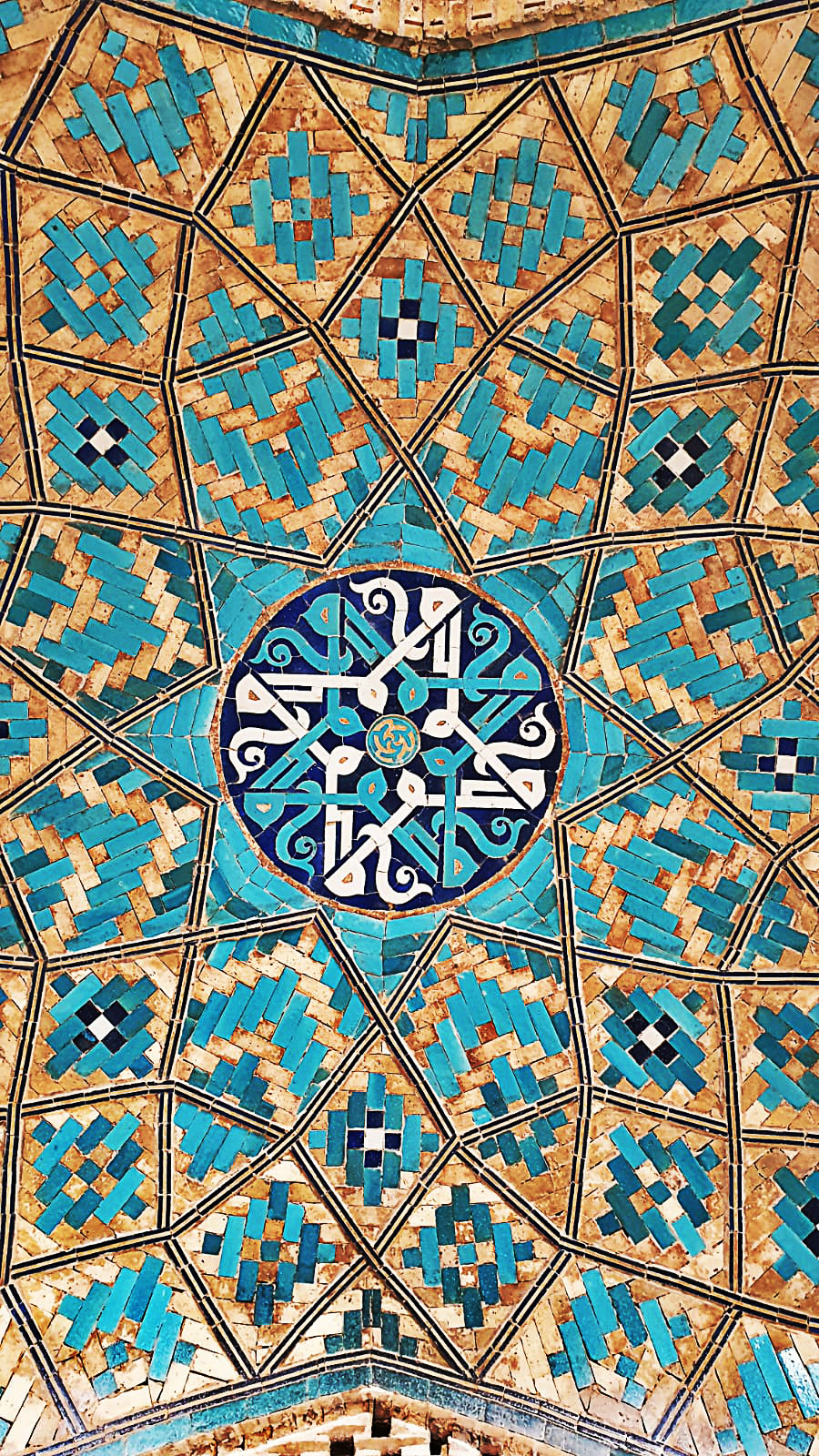
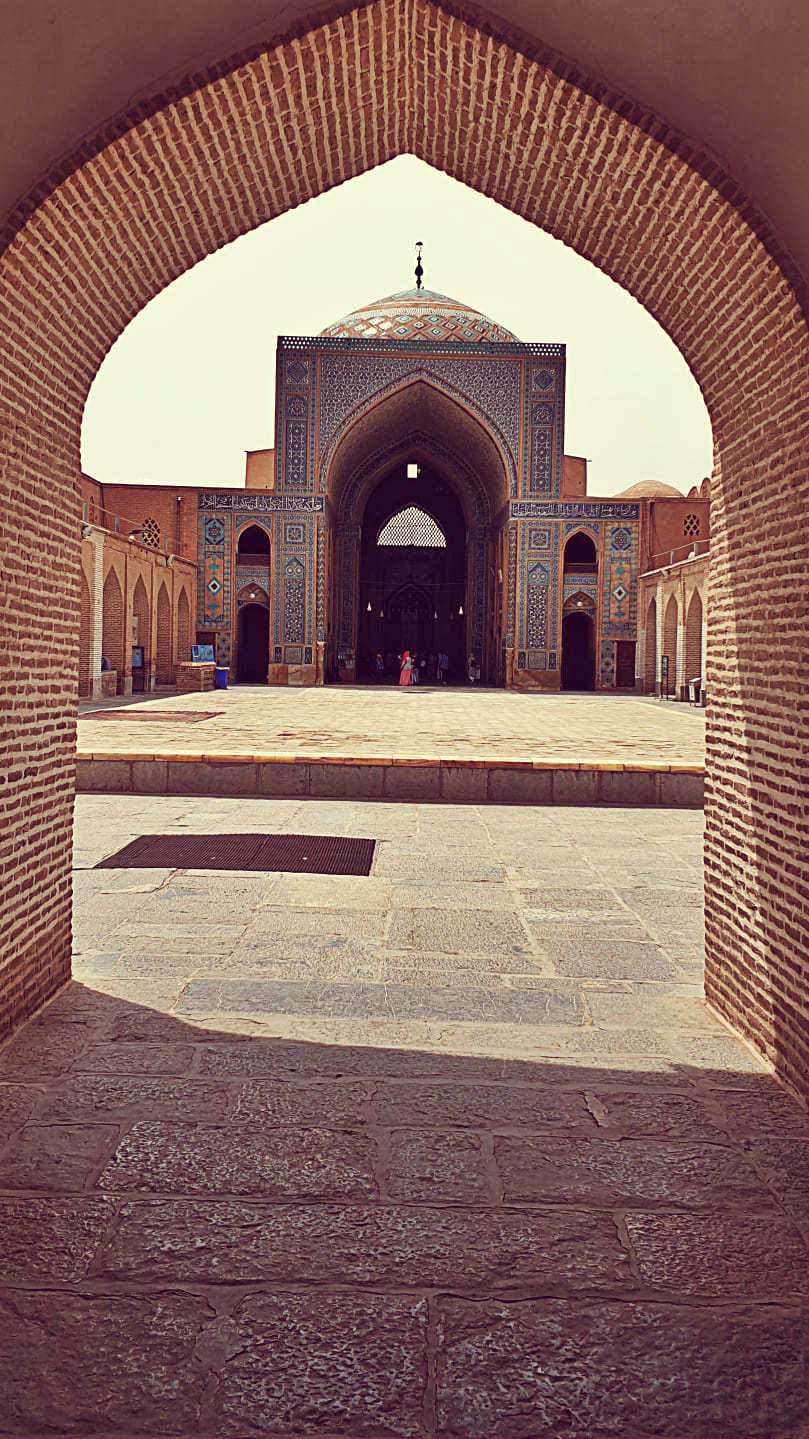
Walking around the mosque, you see the bazaar and even the steps leading down to one of many qanats. Still in service today.
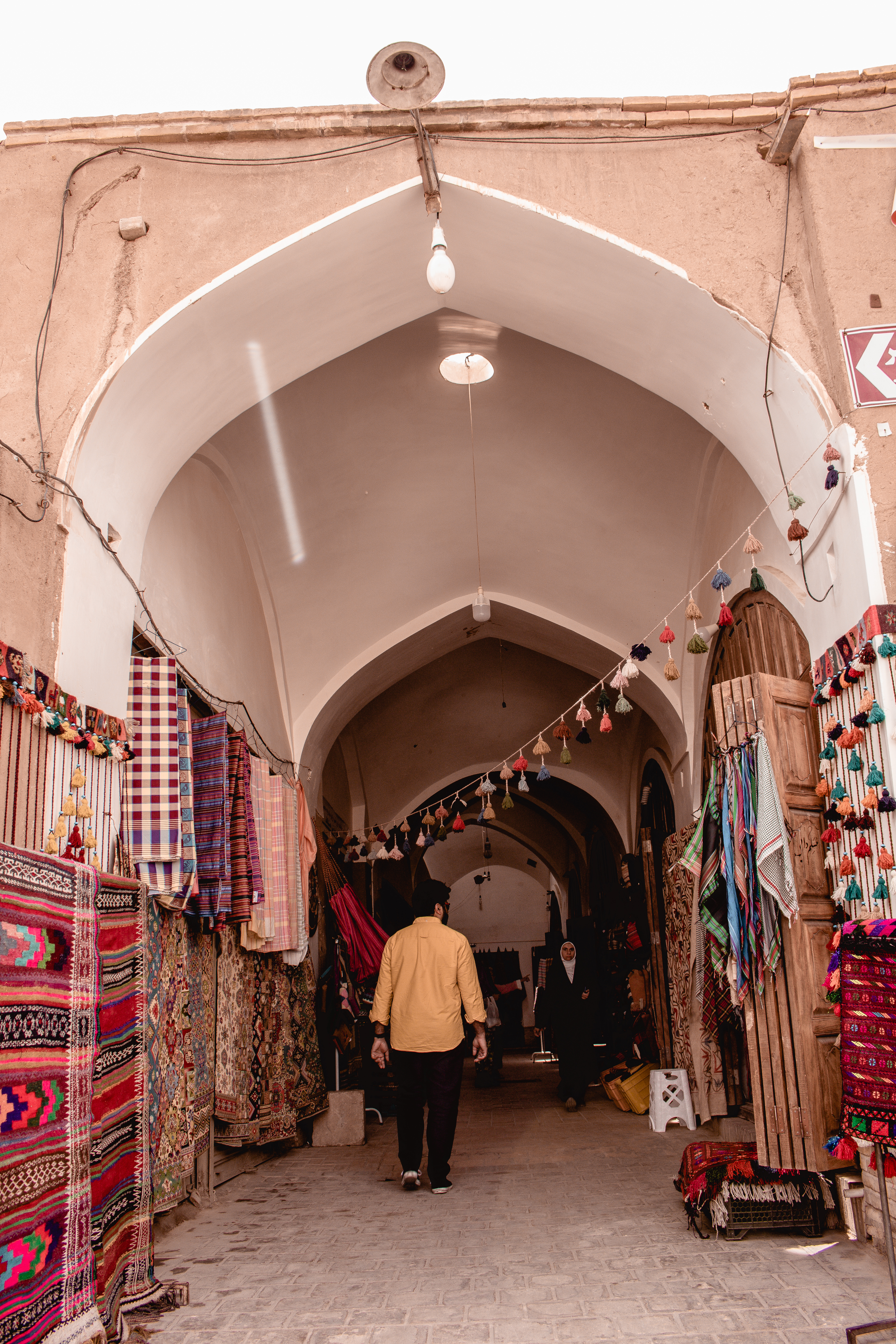
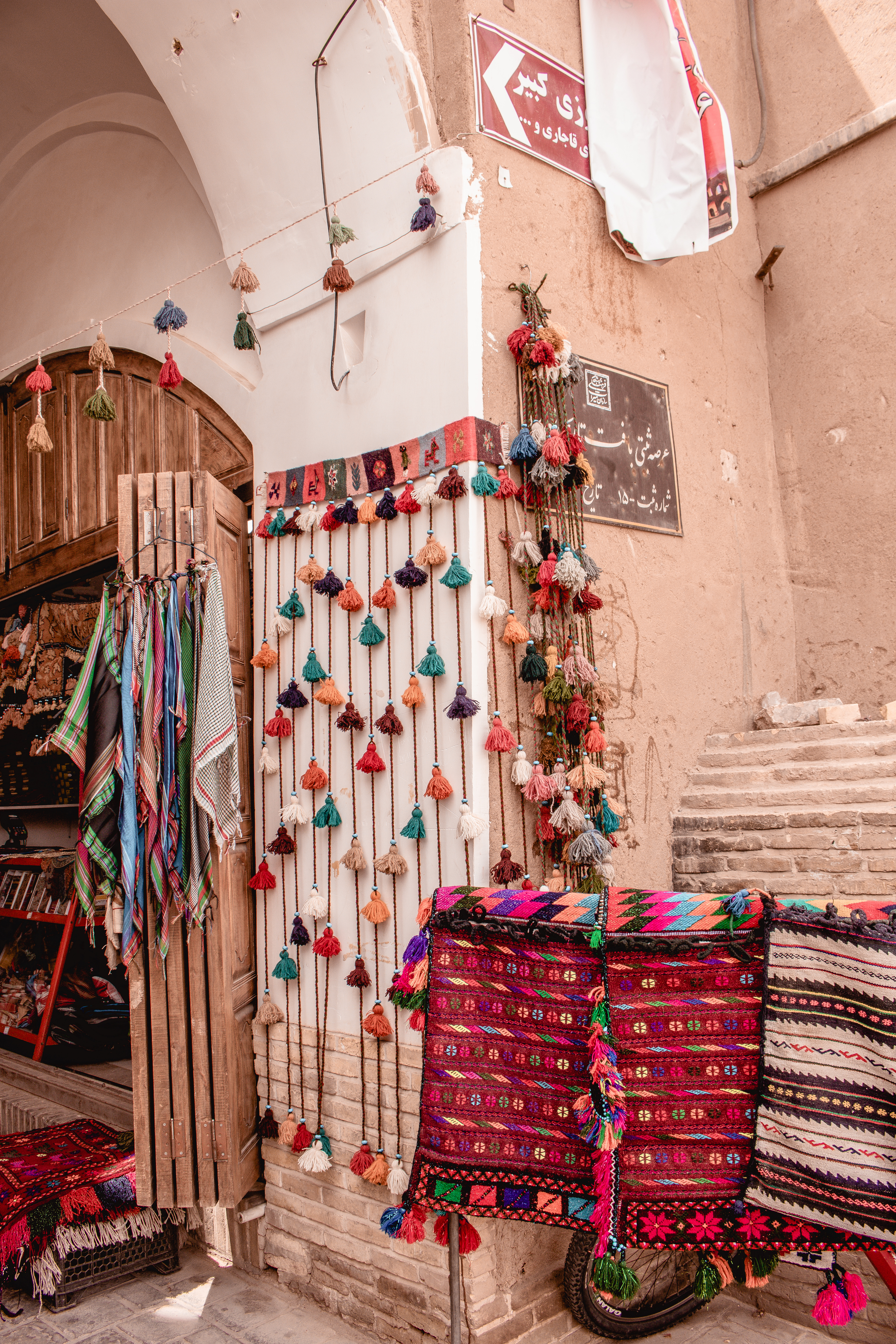
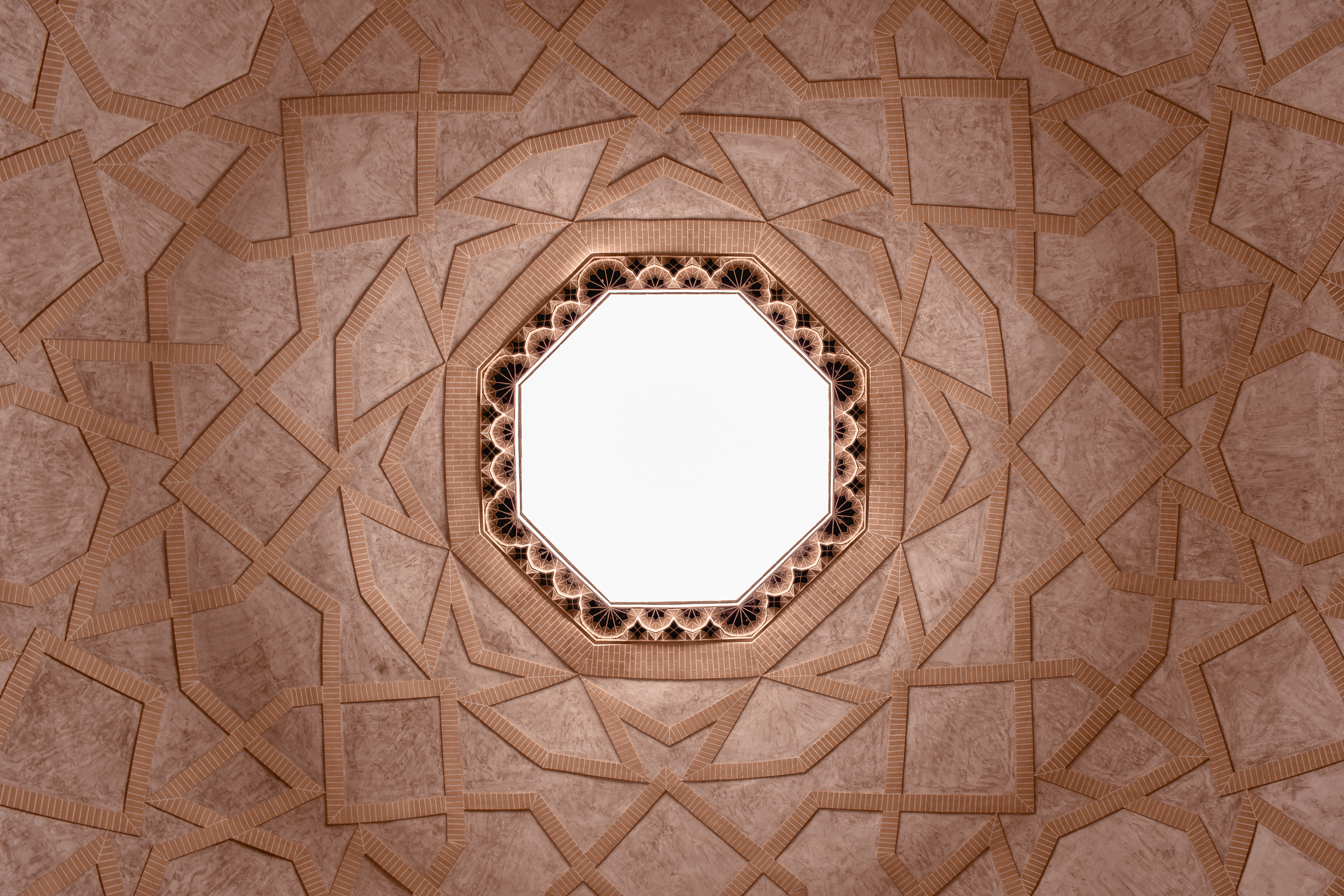
The ceiling of one of many domes of the bazaar.
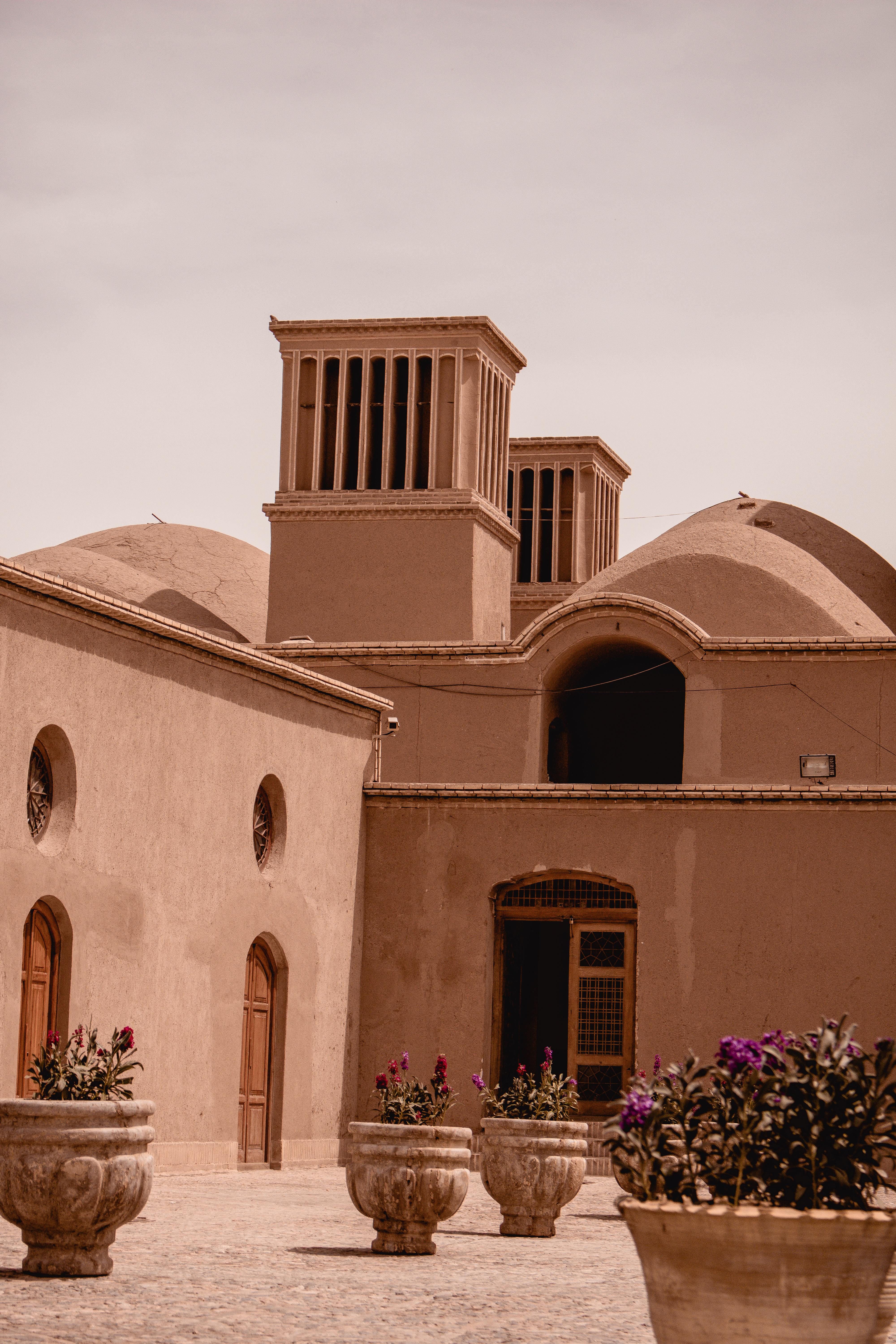
Yazd, thanks to the climate, needs LOTS of shade. It’s not uncommon for buildings to have large underground spaces to escape the summer desert heat. Walls are high and thick and the materials used are Adobe. Keeps the heat out. Another innovation that has helped these people are the ubiquitous bâdgir (wind catchers). These high towers direct the hot air down to a central room in the building, where a water body lends moisture and cool to it, before the air is spread across all rooms. We saw this system in action and the results are amazing.
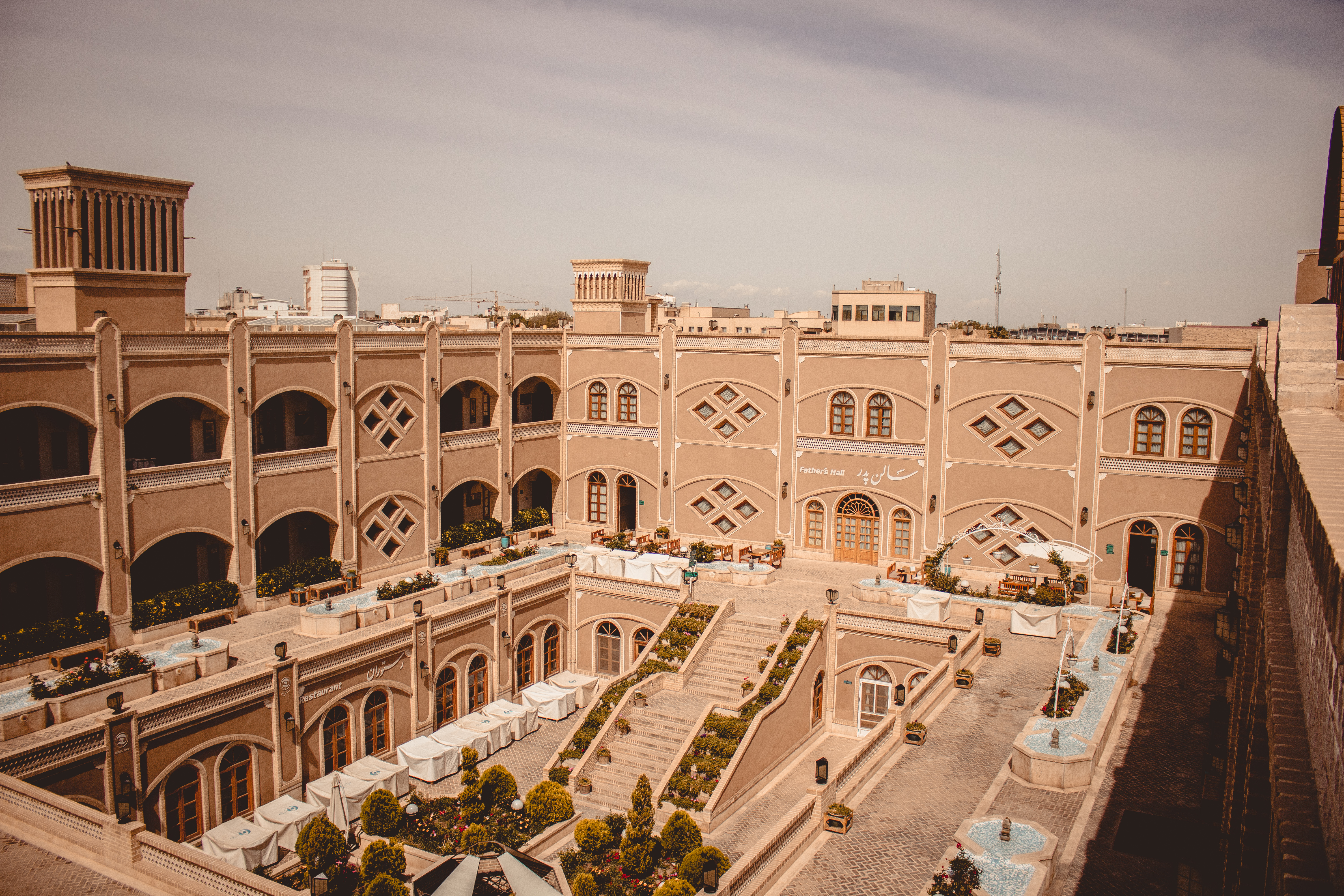
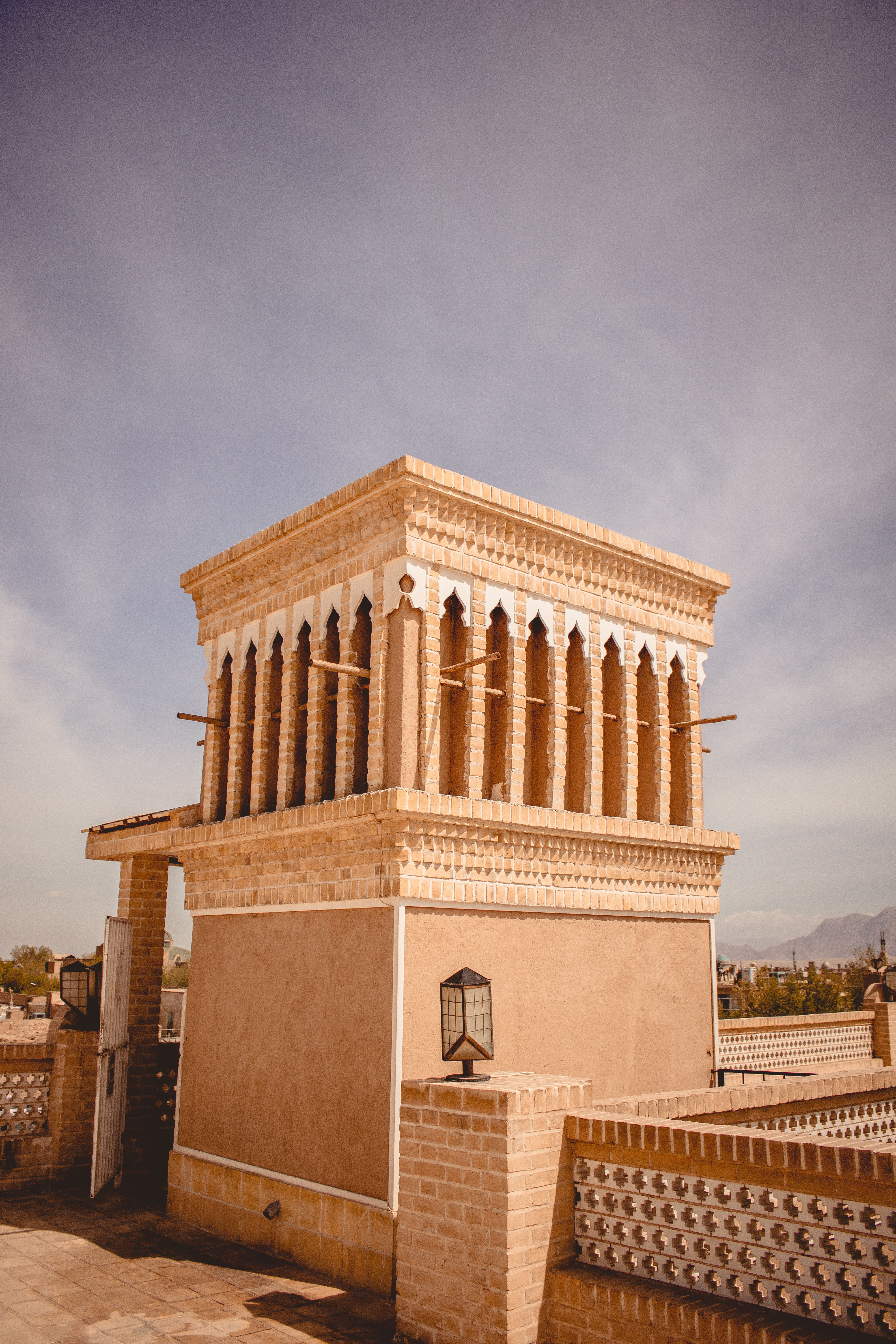
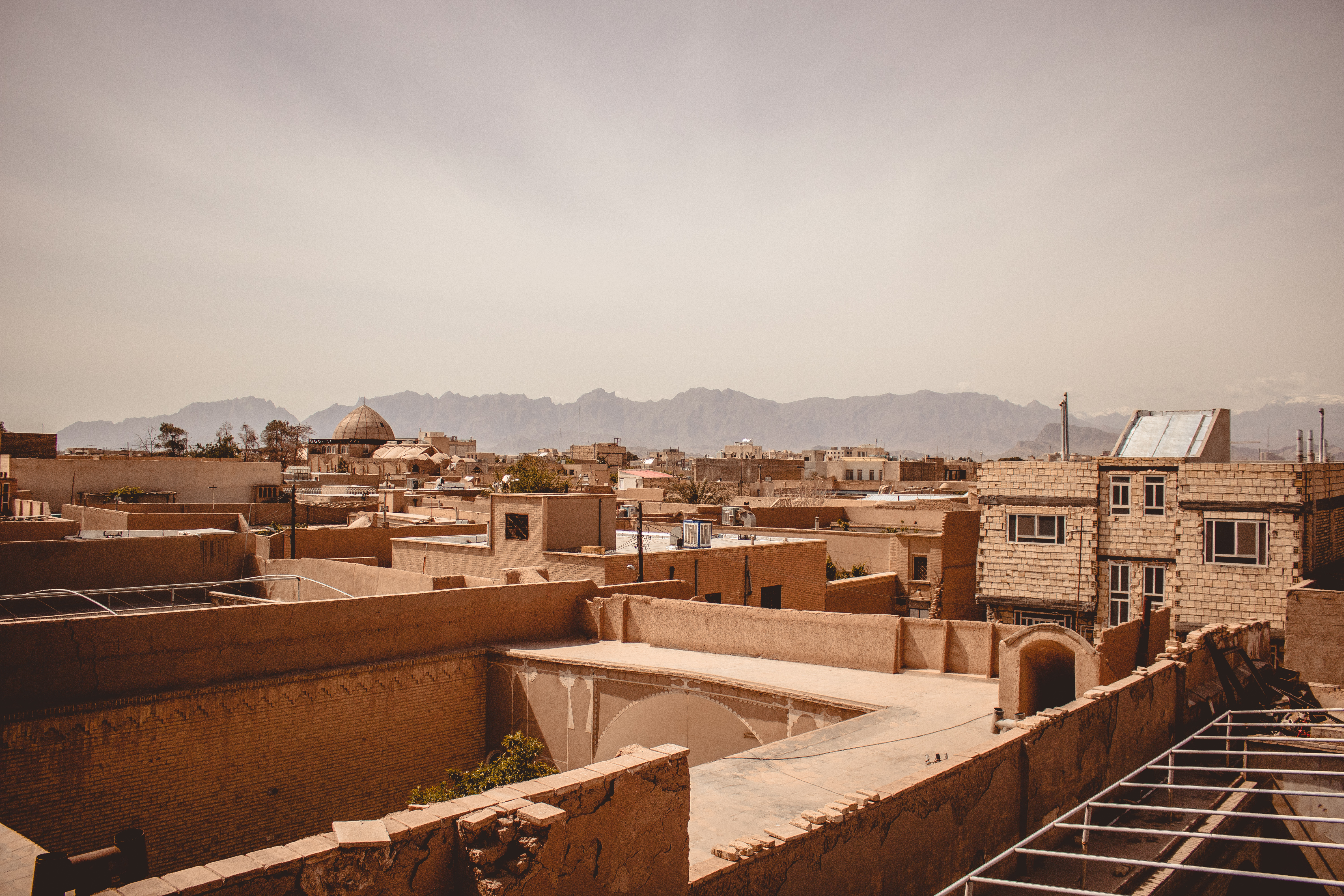
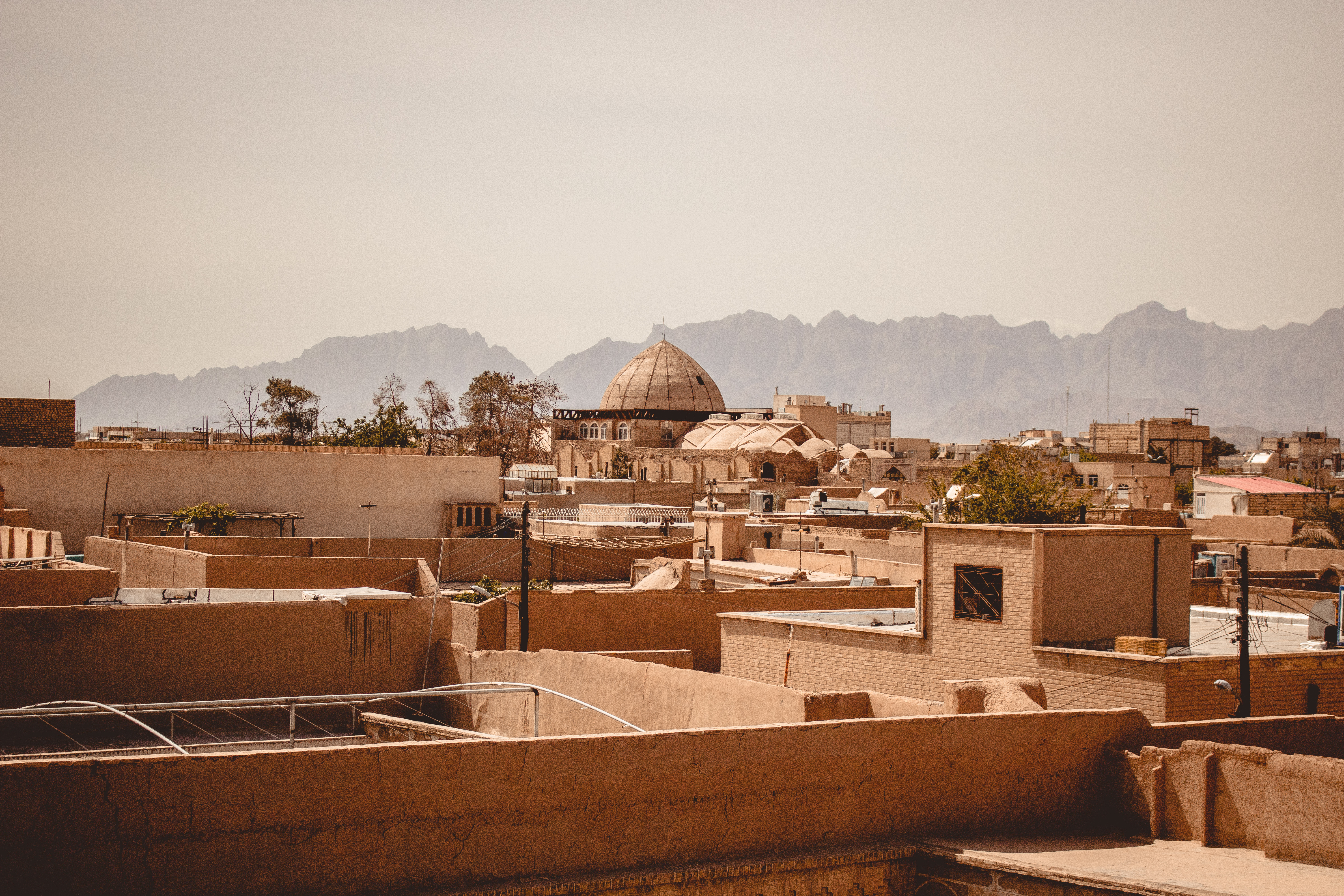
The desert surroundings may fool one in winter. The mountains in the (not so much) distance get a decent amount of snow in winter. 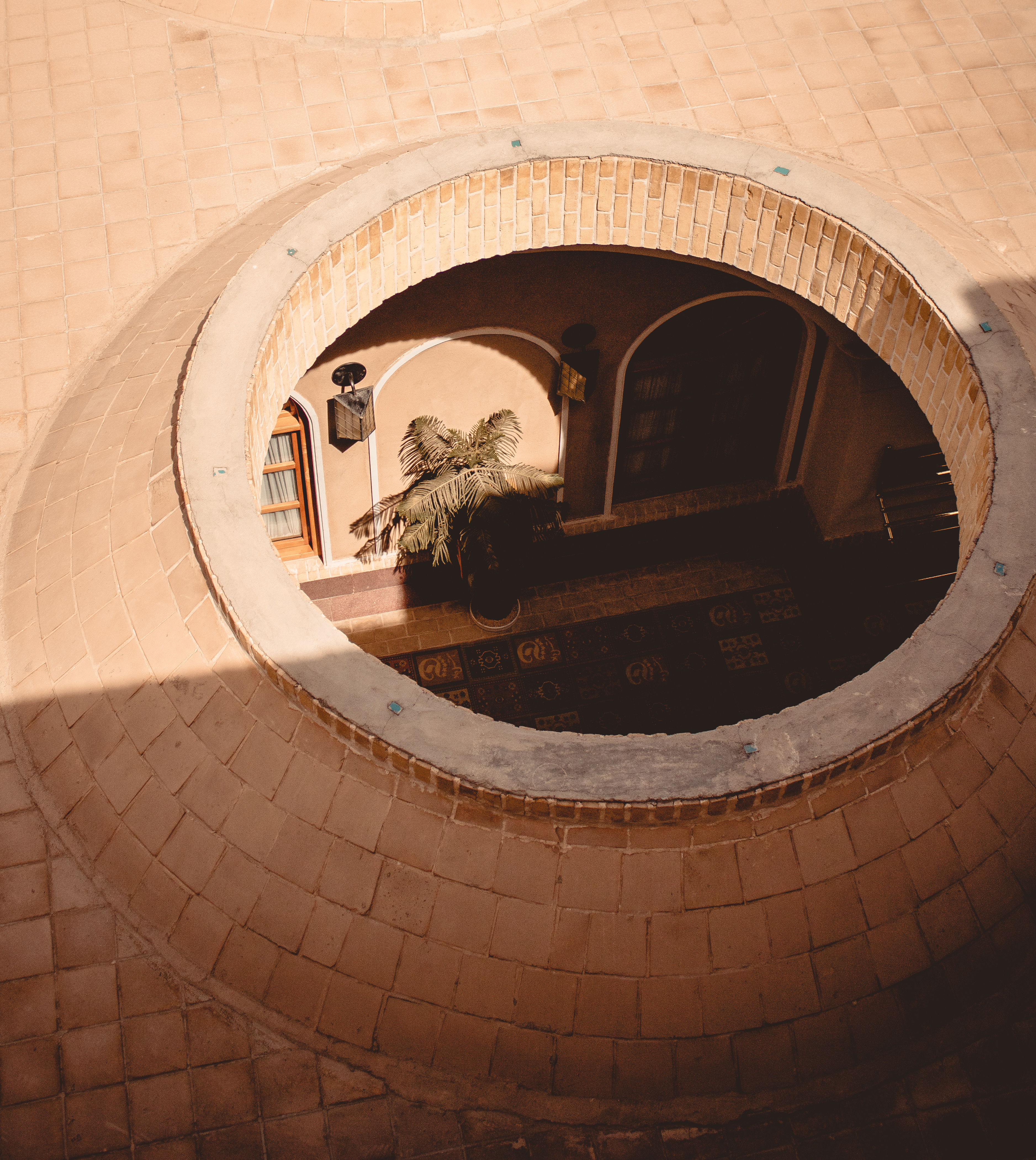
High roofs, with such open domes in them allow the collected hot air to escape up. 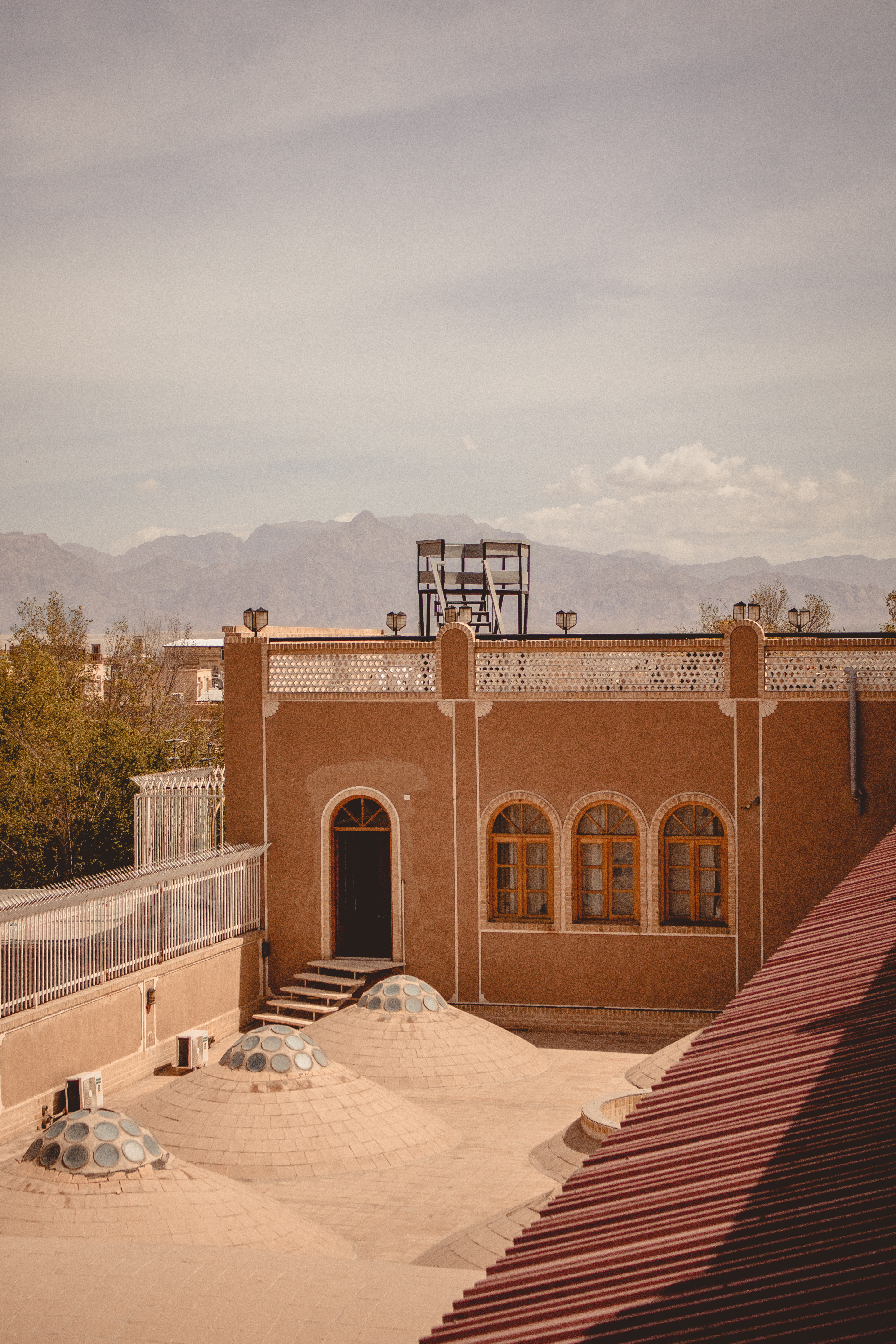
If it is wind catchers you like, you have to visit Bagh Dolat Abad. Built as a relaxation spot for the Khan, it is a splendid garden, with Iran’s tallest wind catcher and an architectural gem. There used to be even wine produced here but those days are gone.
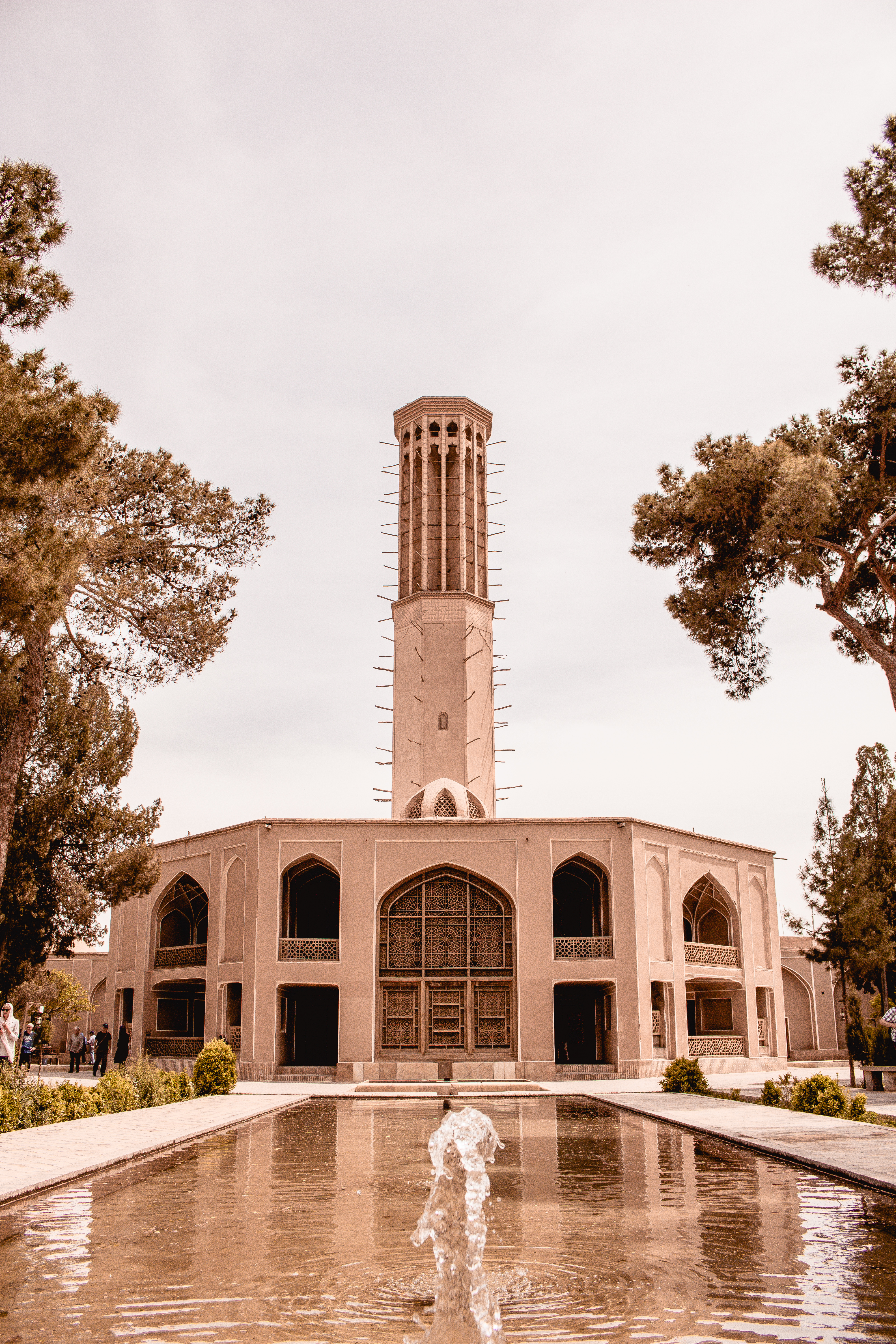
The wind catcher. Notice the multiple openings, allowing for control of air flow. 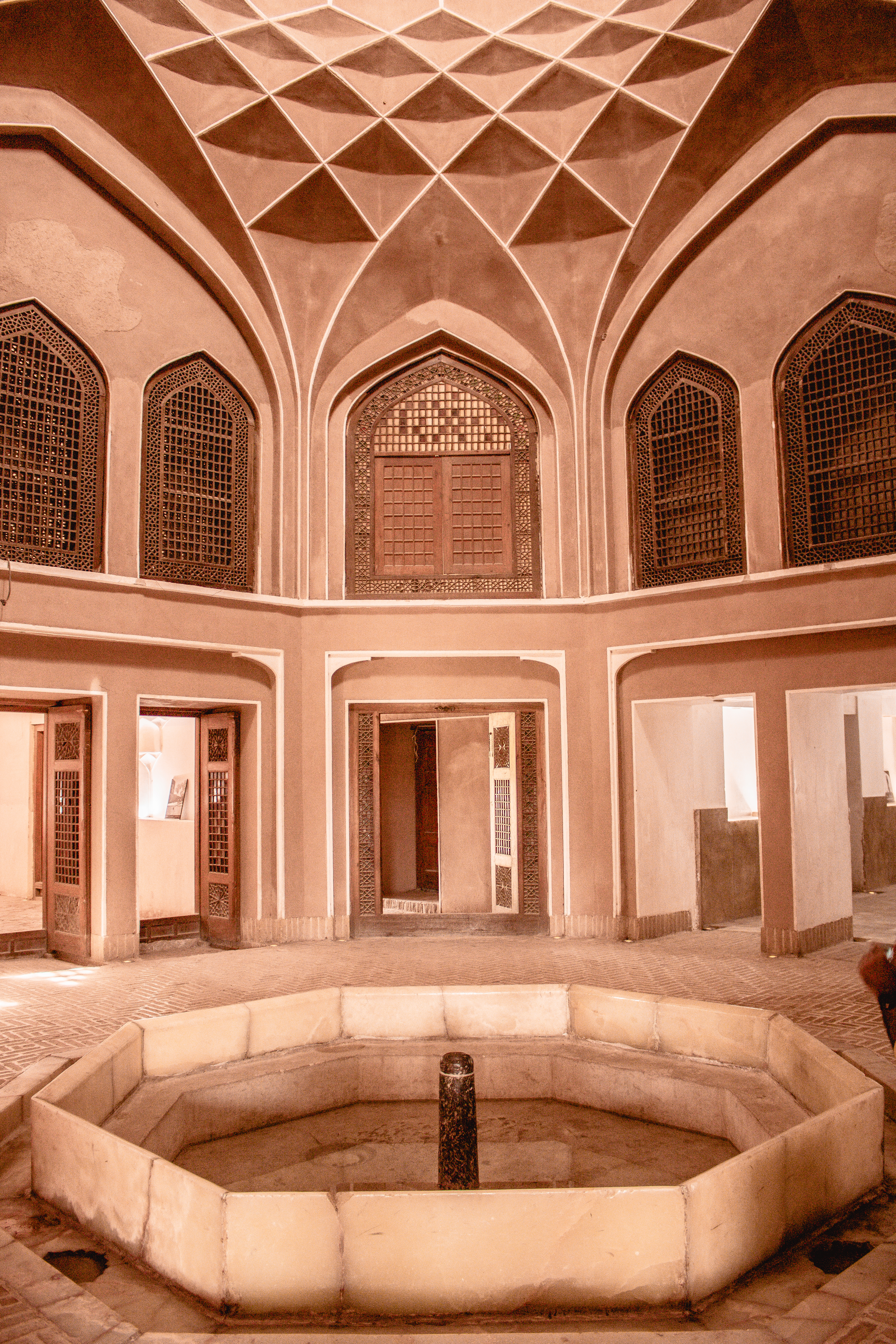
The water basin, where the air leads to. 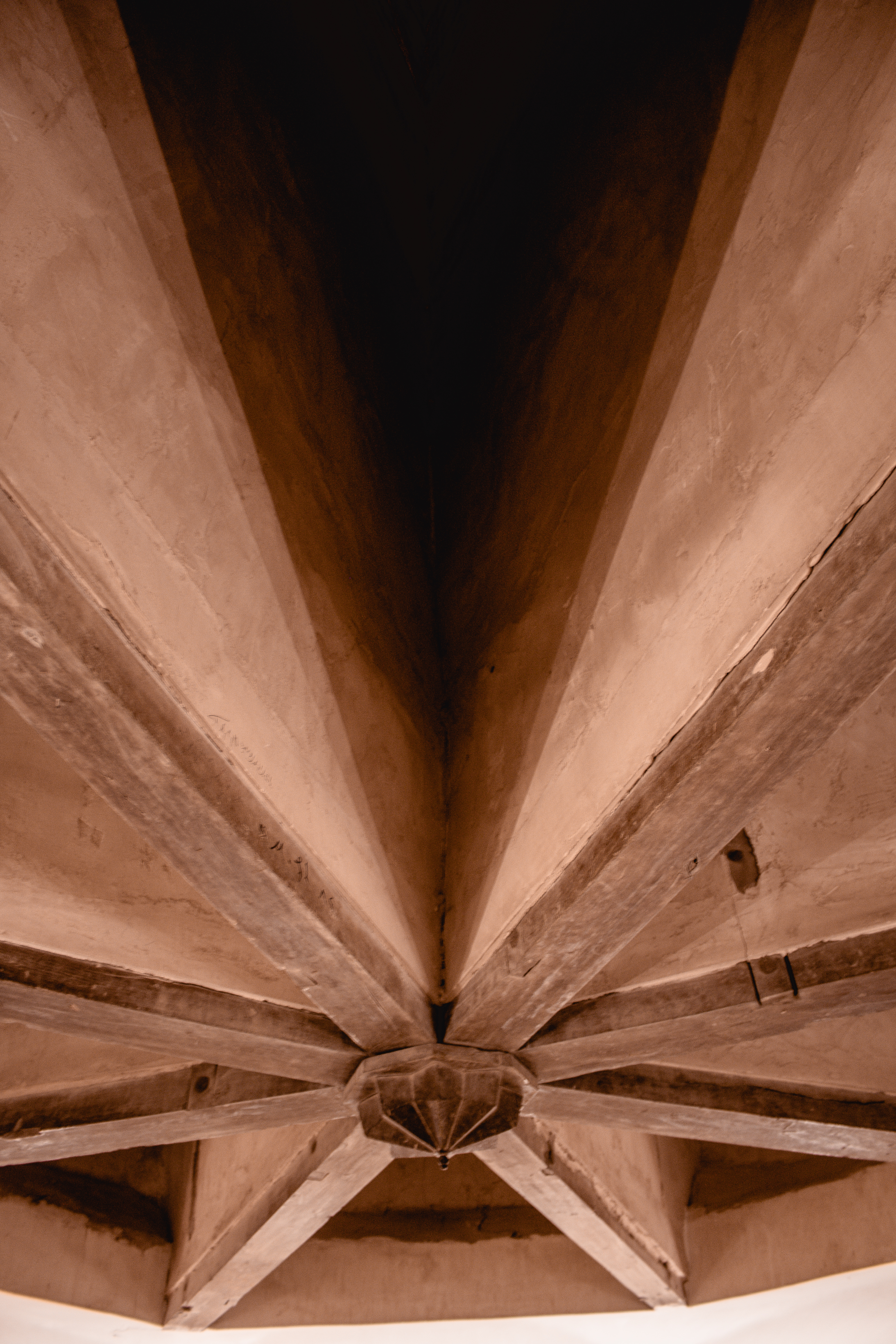
The bottom end of the tower. 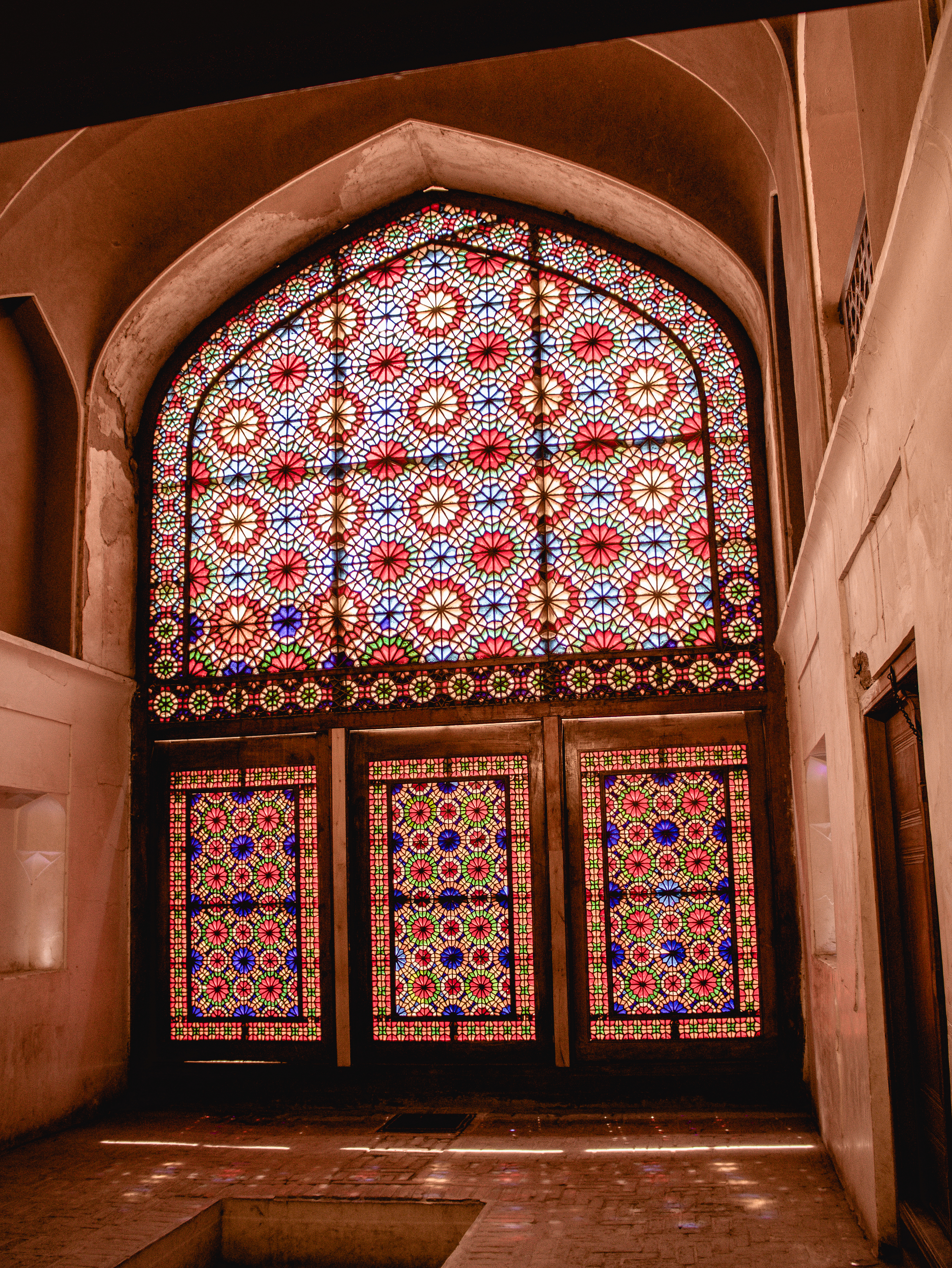
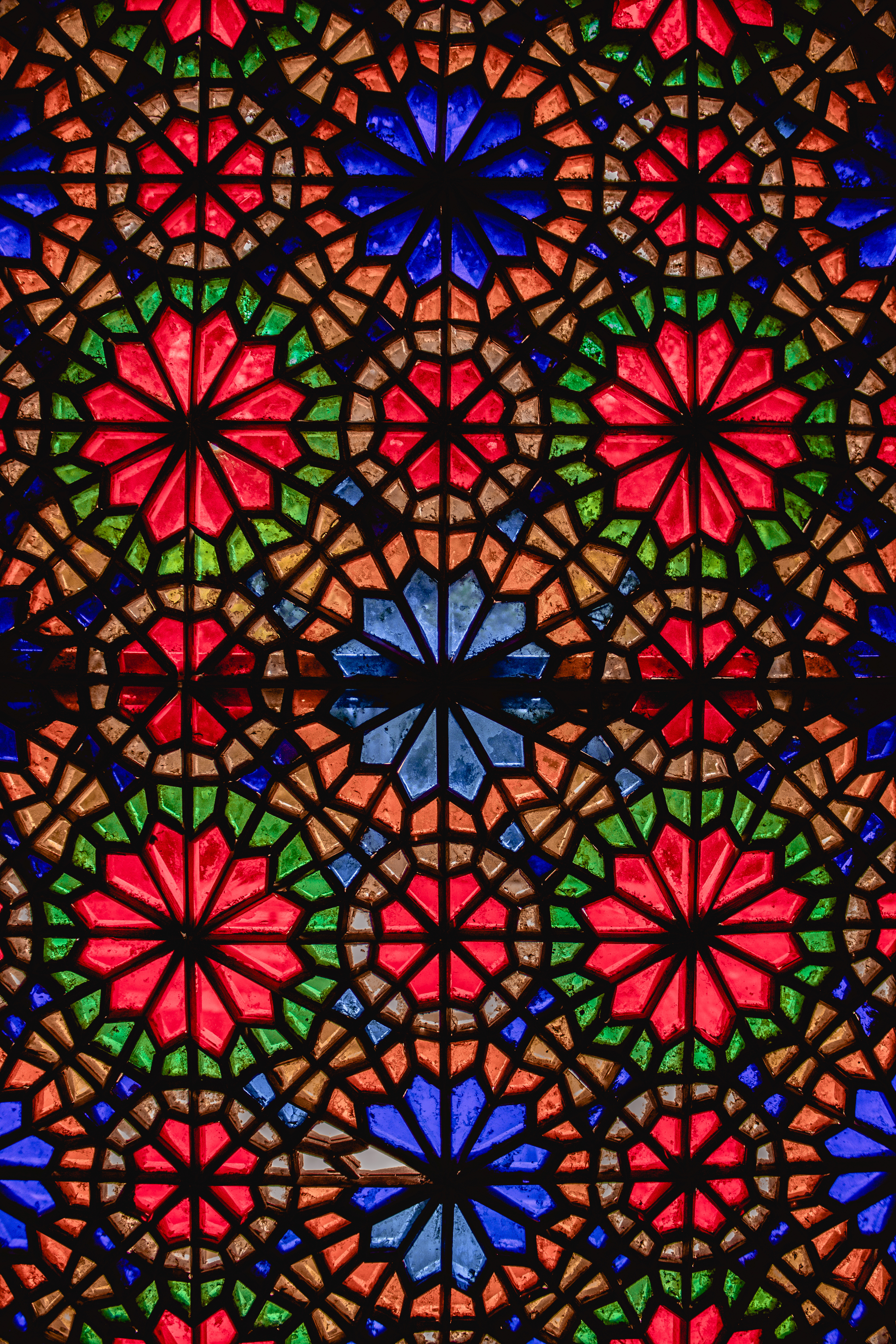
The stained glass windows flood the rooms with colours. 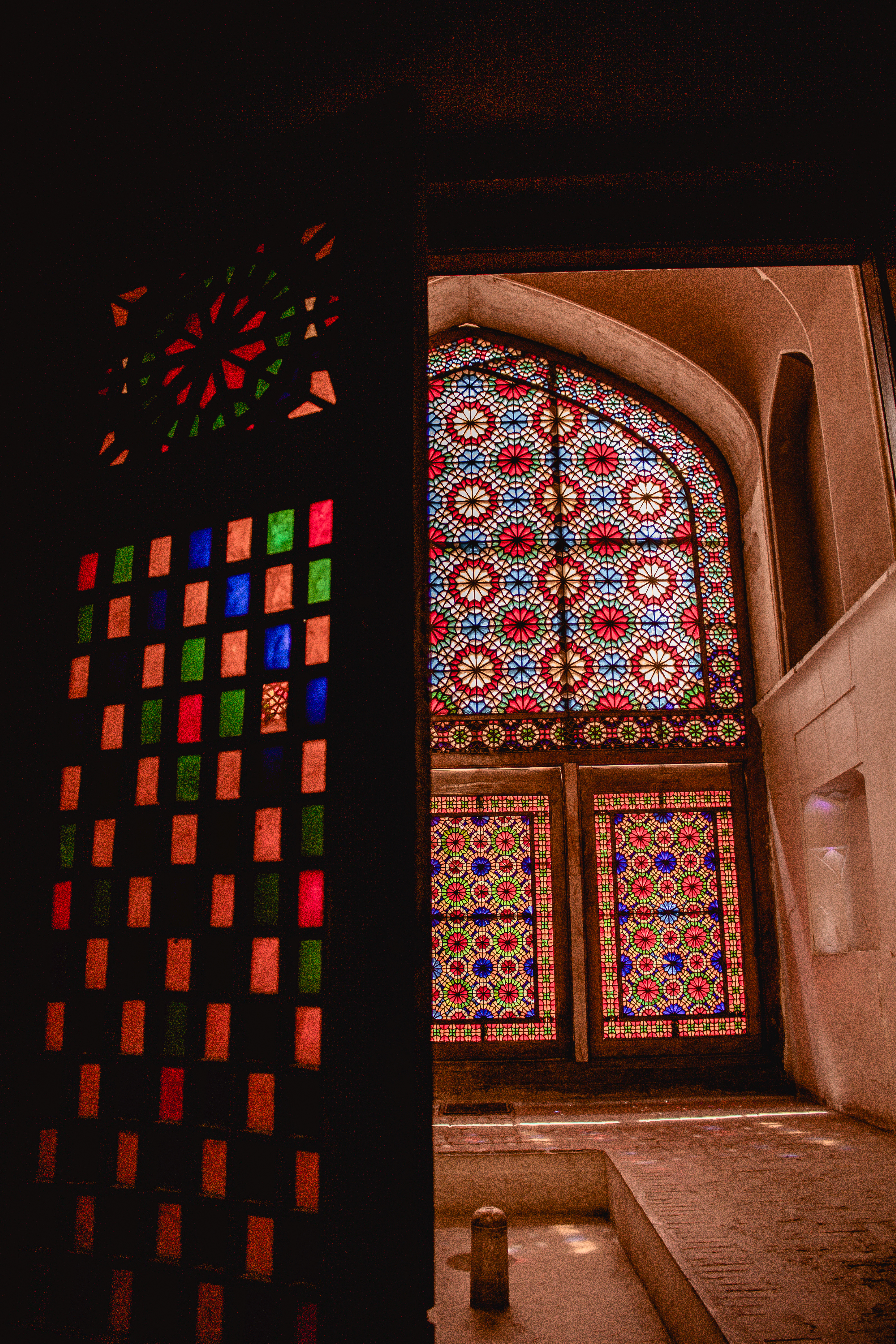
Even the interior doors are stained glass. 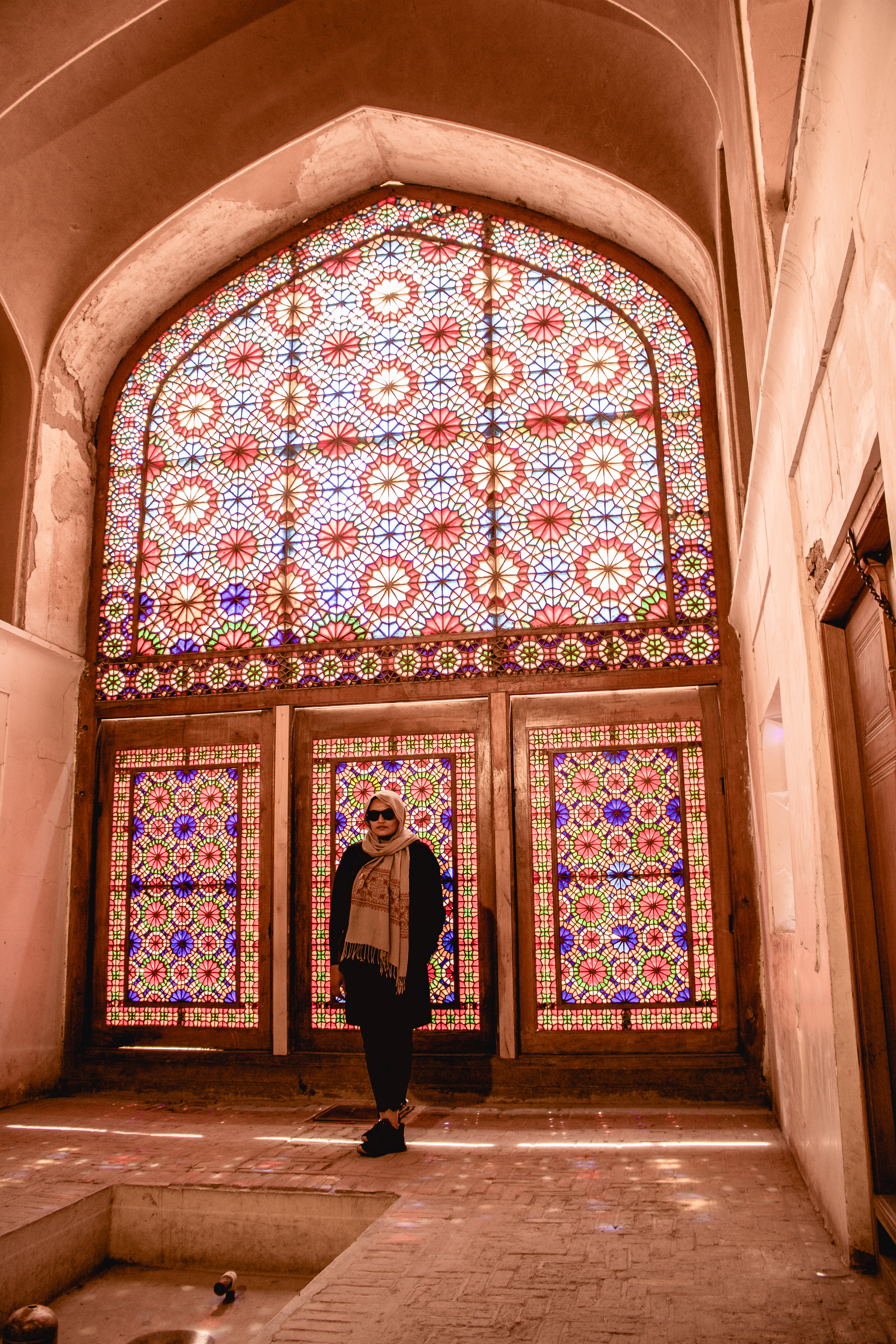
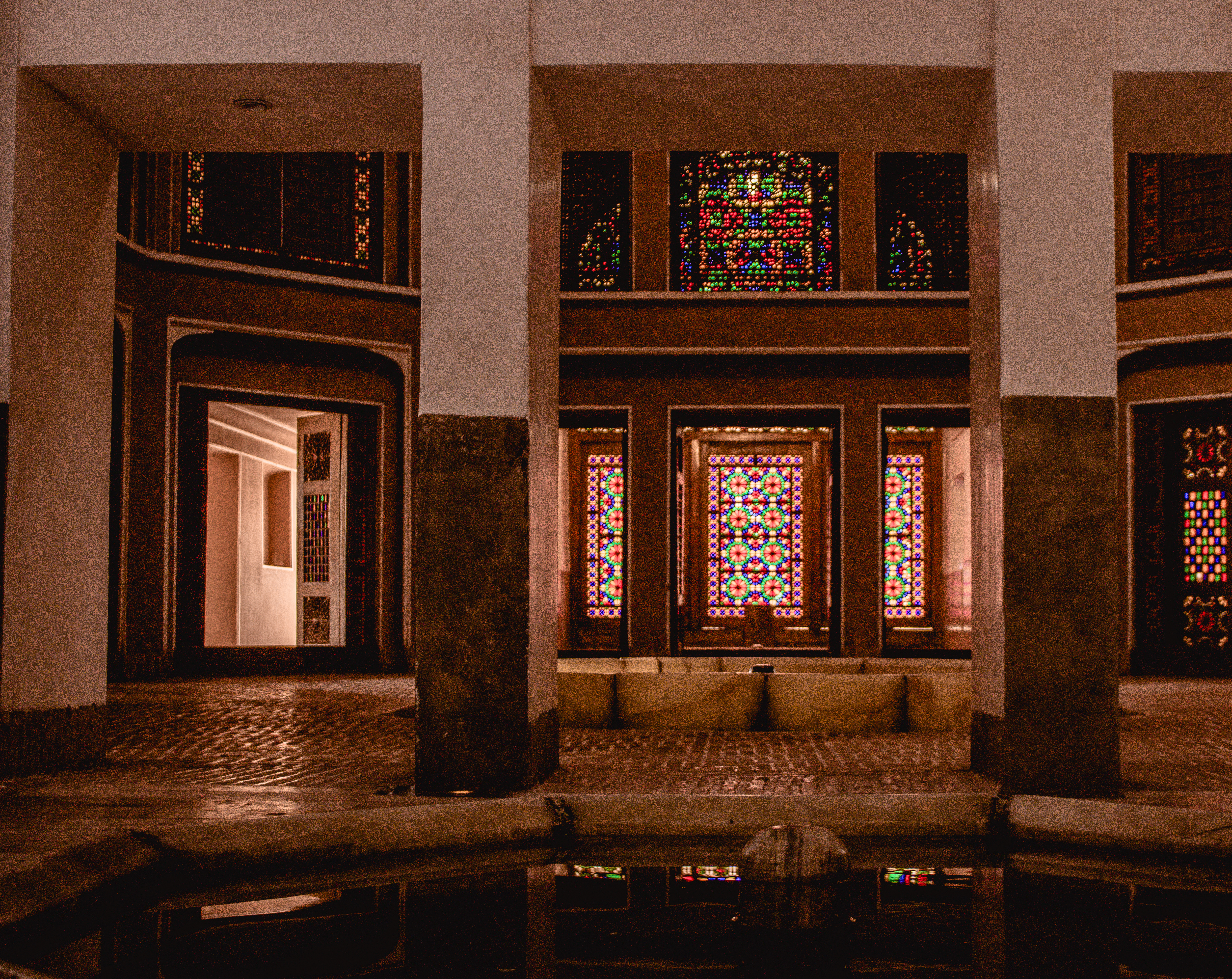
It is quite serene, despite the heat. 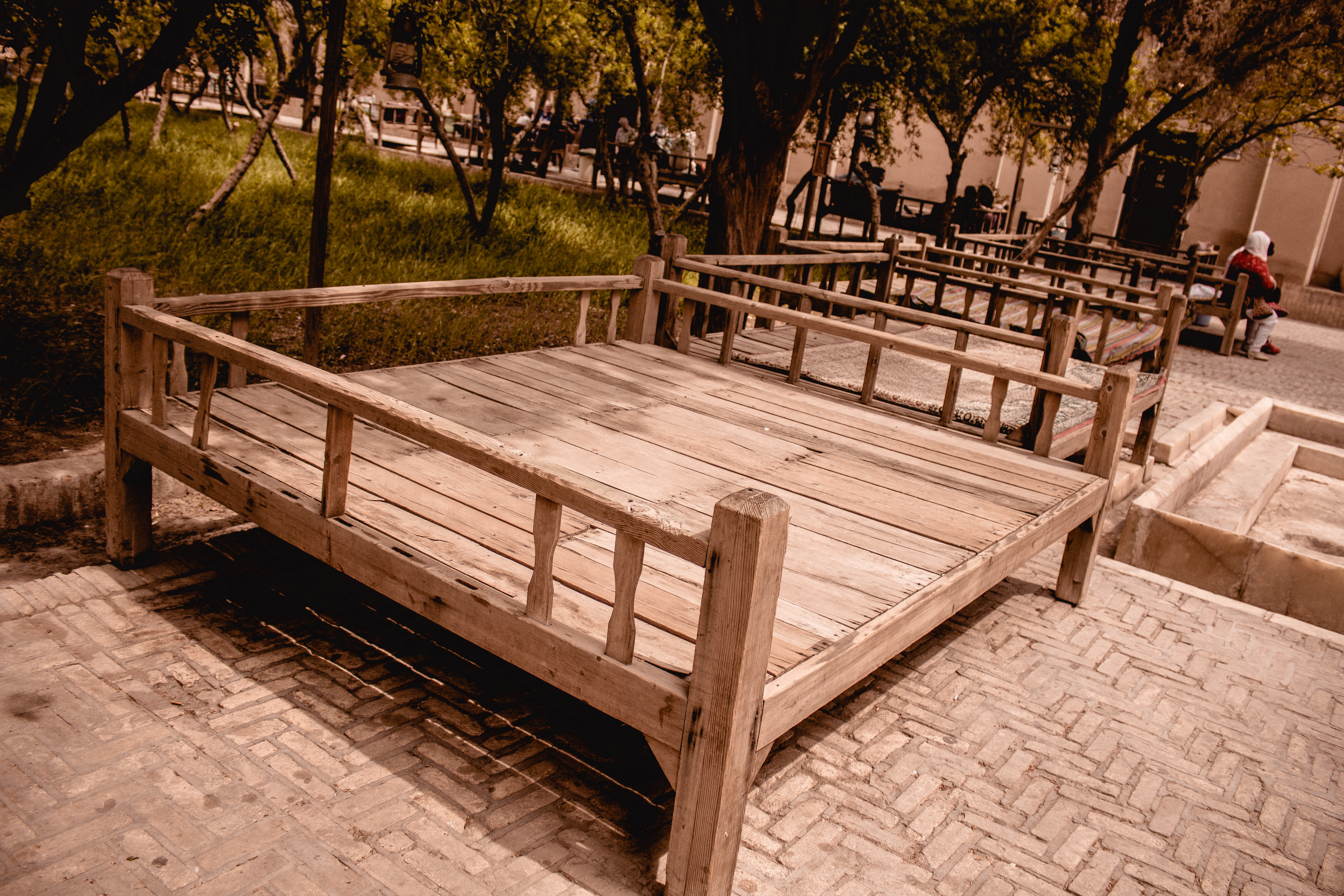
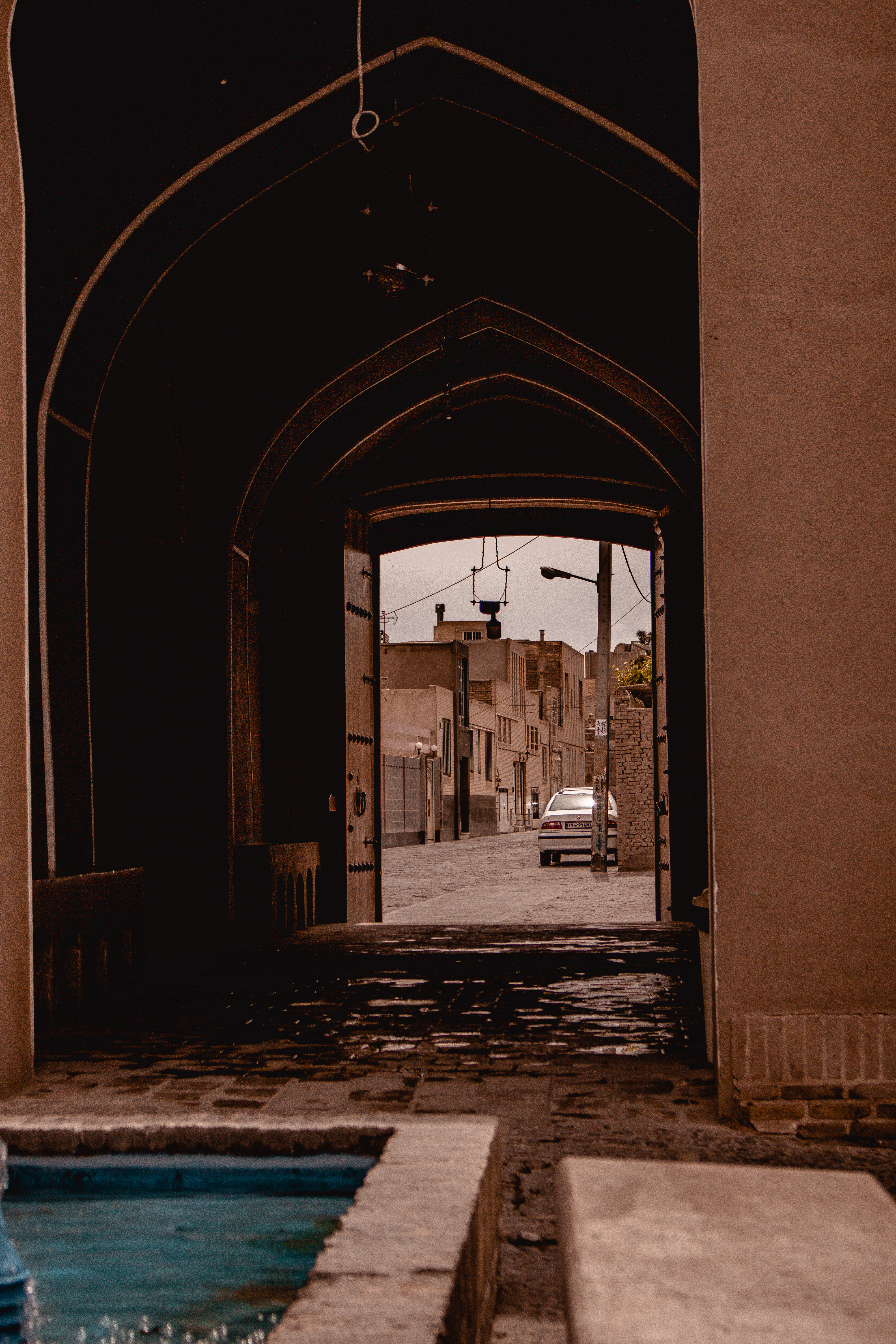
Yazd was where we bought the only souvenirs on our journey: the wares from the ‘Haj Khalifeh Ali Rahbar & Shoraka’. If you are in town, their biscuits and other sweets are simply out of this world.
Yazd was the first city on our march eastwards, where we heard someone speak Urdu. It was a shopkeeper who having heard us speak, gleefully told us of his travels to Pakistan and how much he enjoyed speaking Urdu. I had a similar experience on the previous visit to the city. Something wasnt quite clear when our group was checking out of the hotel and we were patiently standing in the lobby, waiting for our hosts to come and resolve it before we could go to the airport. The receptionist had studied at Karachi University and was fluent in Urdu. It was nice to see the language spoken by people outside the country.
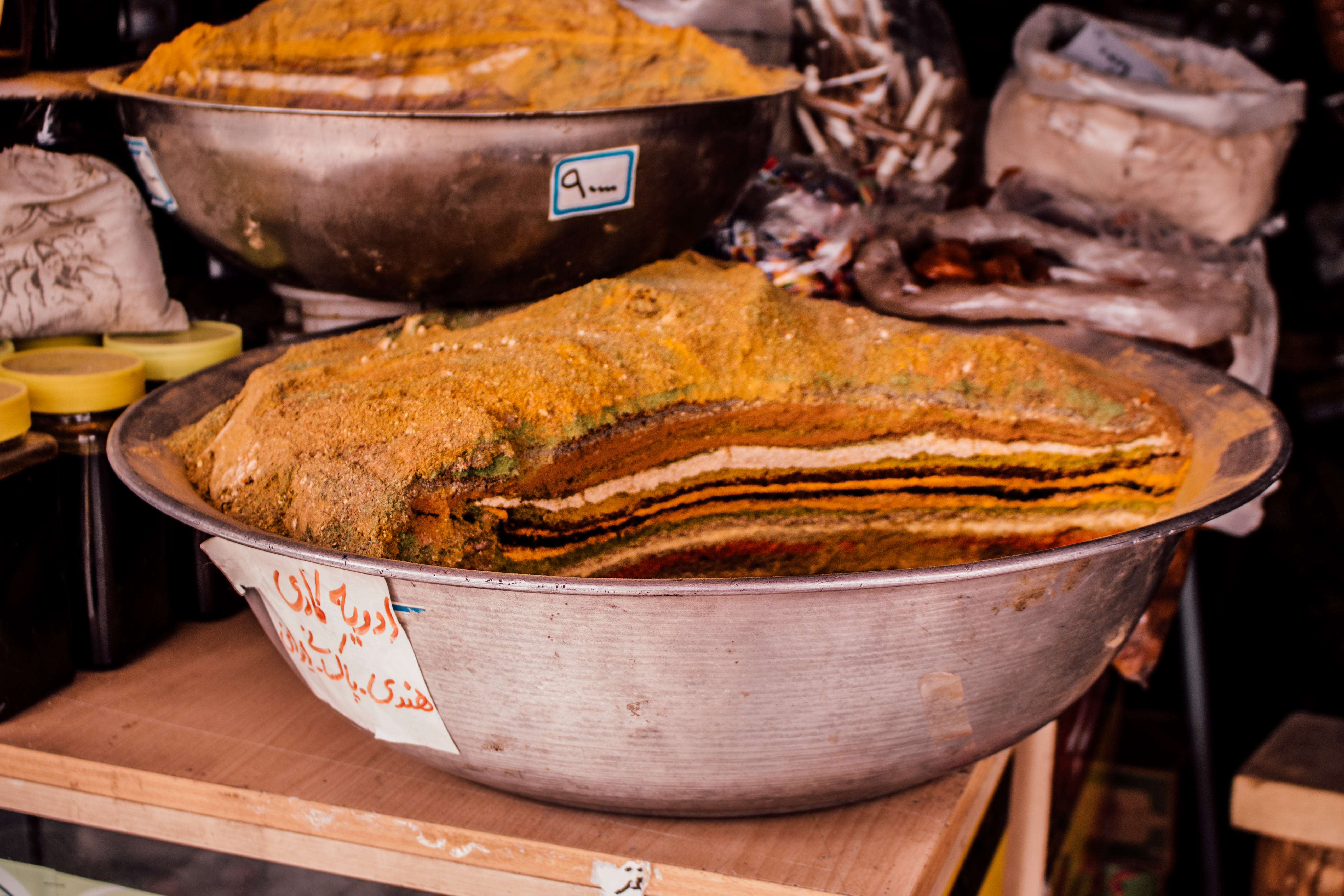
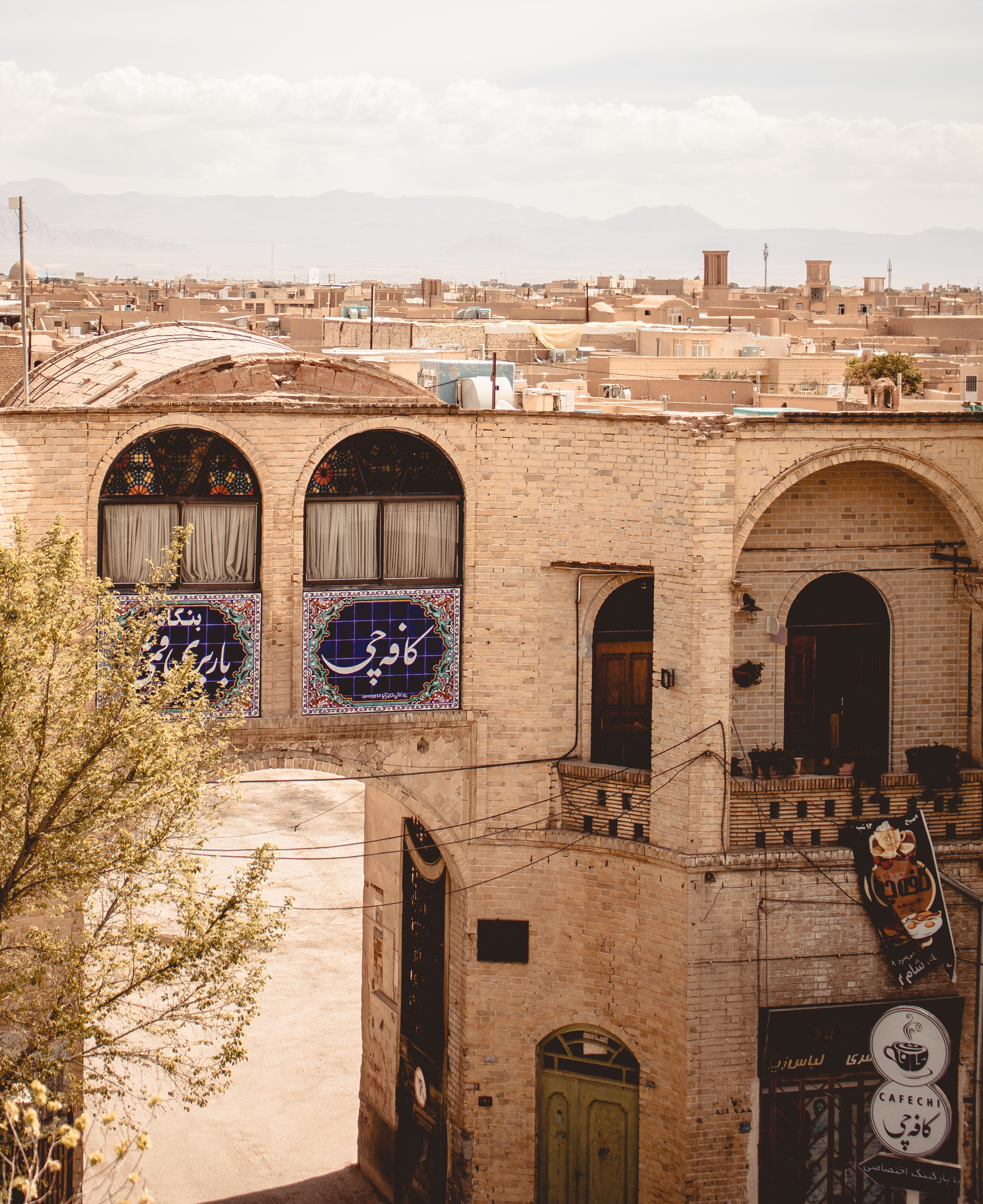
We could have and would have liked to stay longer in Yazd. April is the certainly the best time to be here when the air is still cool and fresh and the sun forgiving but it was sadly time to move on.
Our next stop would be the city of Kerman.
 MINI Overland
I just read one part of it and i just came to know that i have to get some special time a day to read and enjoy the photography i mean wow…..woowwww
LikeLiked by 1 person
Thank you, Arooj. Hira has done a brilliant job with the pictures.
LikeLike