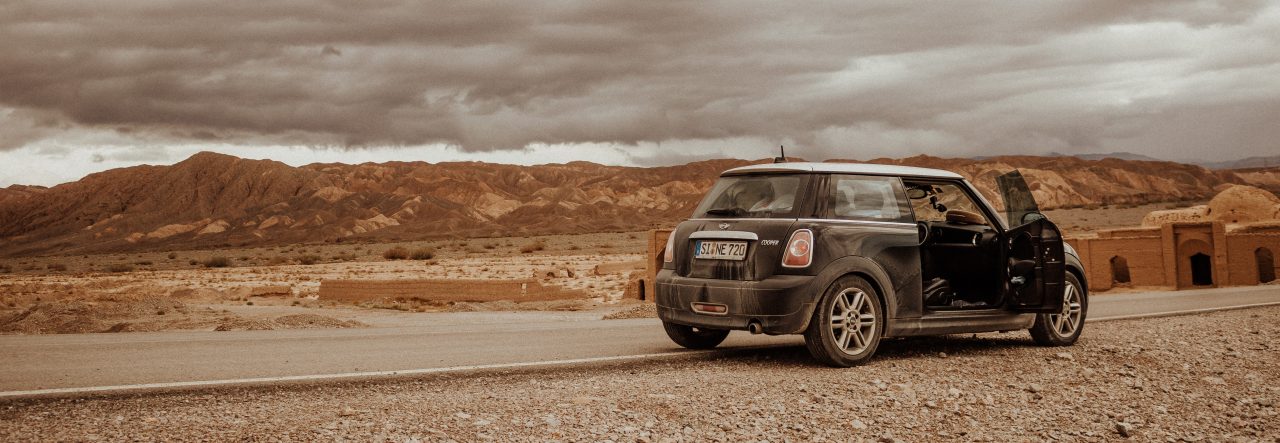
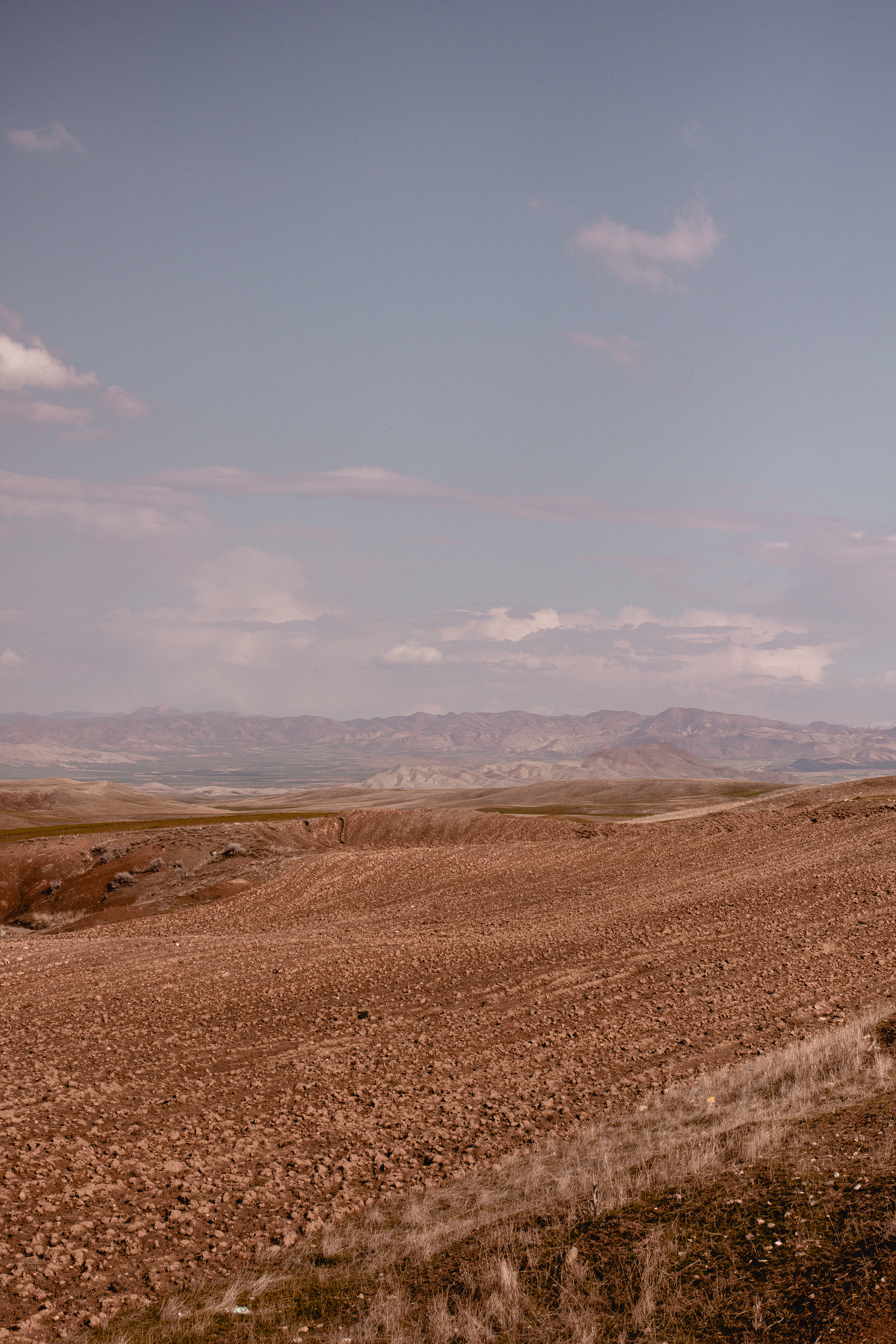
Bazargan is not the most westerly point of Iran, but it comes close. It is Iran’s most important and busiest land borders, with the Turkish town of Gürbulak on the other side.
We didn’t see much of Gürbulak though, as we were a little bit nervous for the border crossing into Iran. It wasn’t going to be my first time in Iran, having visited briefly on a work trip, but it was definitely going to be a challenge to navigate a country that is over 4 times the size of Germany, with roughly the same population size. The previous visit was arranged by my employer so I didnt really have to worry about any thing. This one was going to be different.
But first, we had to actually get in.
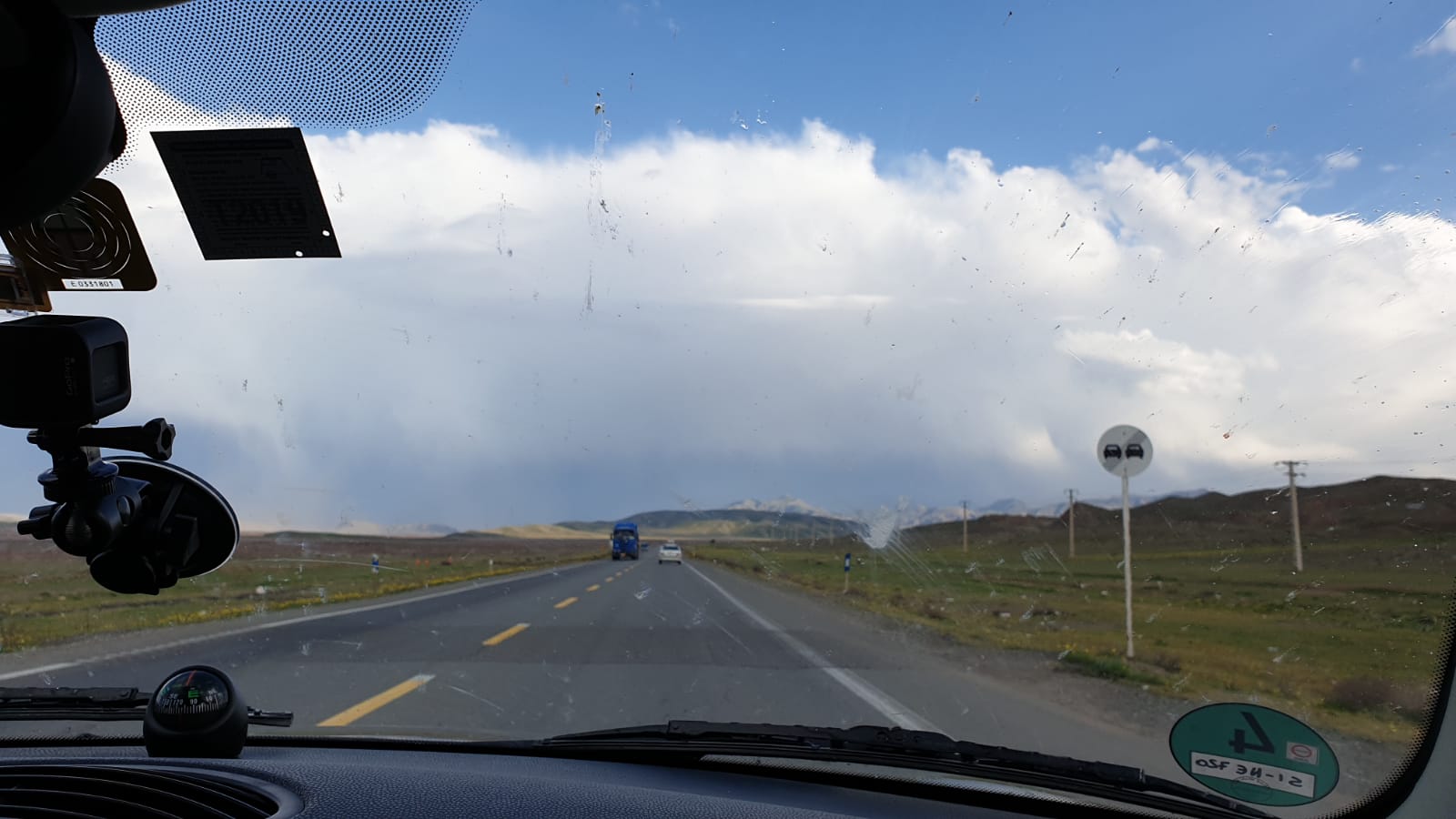
Just like approaching the Turkish border from Bulgaria, we could see the lines of trucks waiting to be processed. Thankfully, the car traffic was much less sparse and we were signalled to pass through the trucks and get straight to the border.
A cheerful officer helpfully waved off buss passengers to let us drive through all the way to the double gate where vehicles cross over.
We were told to first gather “all our documents” (it wasnt clear what they meant by ‘all’ so we gathered the binder with originals and copies) and headed first to the Turkish Immigration.
The officer asked us if we had a Carnet de Passage (CdP, see previous post for some more details on what it is), gave it a cursory look and told us to present our passports.
Hira’s passport was stamped and returned straight away but he didn’t seem too happy with mine.
After what felt like the longest 10 minutes and an ever longer queue building behind me, he handed me the passport back and signalled for us to proceed.
There was only one small problem. He hadnt actually put an exit stamp on my passport. I was just not paying attention due to the constant pushes from the people behind me that seemingly had no sense of personal space.
The missing stamp was immediately discovered as I handed the passport to the officer manning the gate. Now he was annoyed, and I was annoyed.
So back to the immigration queue I went.
The gentleman just simply refused to believe that he hadn’t stamped the passport 5 minutes prior so what followed was a tedious scanning of every single page and every single stamp already on the passport (I travel a lot for work so there was a lot to go through). Eventually, he did stamp the passport but it was one of the strangest experiences I have had dealing with immigration officers.
Back to the gate. A quick check of passports, visas for Iran and the CdP and a short phone call later, we had crossed the gate into Iran.
Only a small matter of dealing with the entry procedures on the Iranian side.
The stern but polite officer that first greeted us on the Iranian side had a bunch of questions for us:
“Where are you coming from?”
“Where are you going?”
“Oh, really?”
“All the way, in this car?”
“Do you have any alcohol, drugs or pornography?”
“Please park the car to the side, switch off the engine and open the boot of the car.”
I think he wasn’t much pleased with the amount of stuff we had stuffed in the car, calling upon all the hours spent playing Tetris.
Having checked a couple of bags and inspecting the interior, he seemed satisfied and told us to proceed to the office to do all the paperwork.
The staff was all very polite and helpful, but not all of them spoke English. It did help that I could make out some of the signs and writings due to their similarity to Urdu.
The passports and visas was the easy part. Hira could wait with the car while I could take both the passports to the Immigration officer. He didn’t stamp our passports, but only the visa paper. We were instructed to keep this on us at all times and hand it over at the time of exit from the country. He then asked, “Do you understand why we dont stamp the passports anymore?”
I said, “I dont know. Because of America, perhaps?”
This gave him a right chuckle, even though I didn’t think the joke was THAT funny myself.
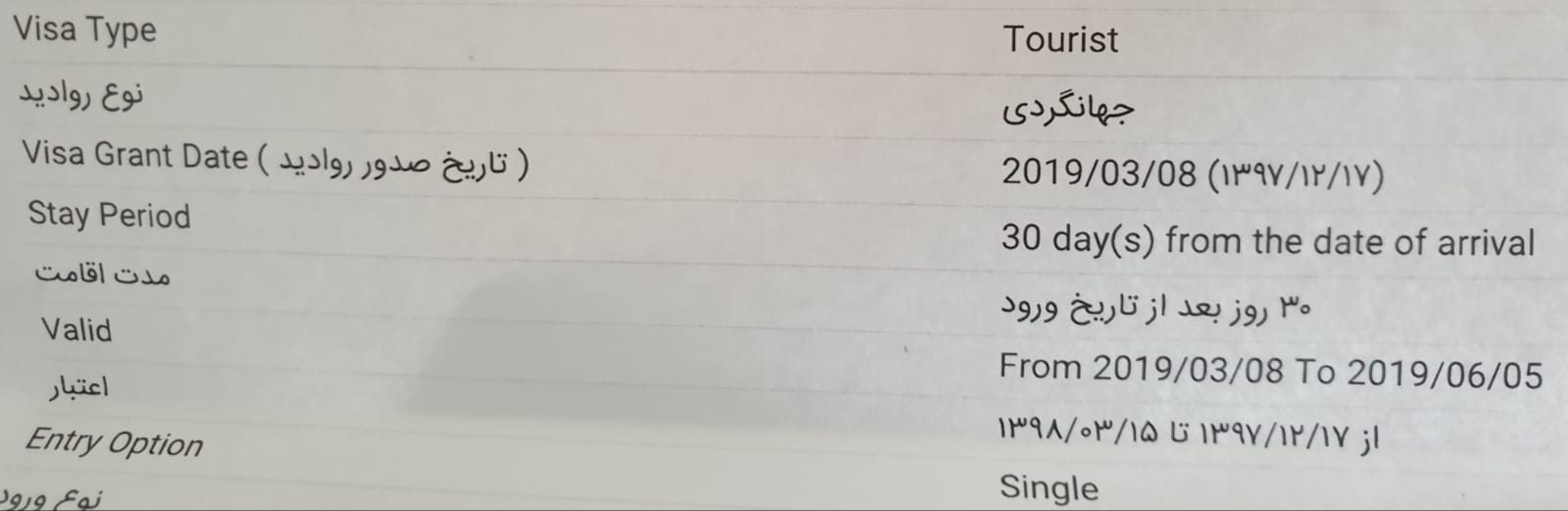
Regarding Visa to Iran: We had initially applied for a week’s worth of visa but the visa officer in Frankfurt, having inquired us about our itinerary, said, “One week wont be enough for you. I can give you a two week visa, if you want, so you wont have to get it extended in an emergency”. When the visa arrived, it was even better. One month validity.
Back at the border: There was one gentleman at the that spoke English very well. From the start, he started shadowing me through all these procedures, offering his help and services. I immediately asked him if he was a government officer. To which, he responded, “No”. But my firm refusal to hand him the papers wasn’t enough to deter him and the rest of the staff seemed friendly enough towards him that I just played along. I told him that I do not need an agent but he wont budge. He kept offering us Iranian Riyals for exchange at ‘50% better rate’ than the official one. Quite a persistent fellow.
The paperwork for car was a bit more exhaustive.
A senior level officer had to double check and sign off every thing.
It was an issue that the paperwork said, “BMW” when the car in front of them was a “Mini”.
After having to make a bunch of copies of the documents for them, we got the car papers signed by the Customs as well and were free to officially enter Iran. Just had to hand over a piece of paper with information of the car and my details written on it to the people at the gate.
In the end, it was as simple (just cost hours and days of getting all the paperwork ready).
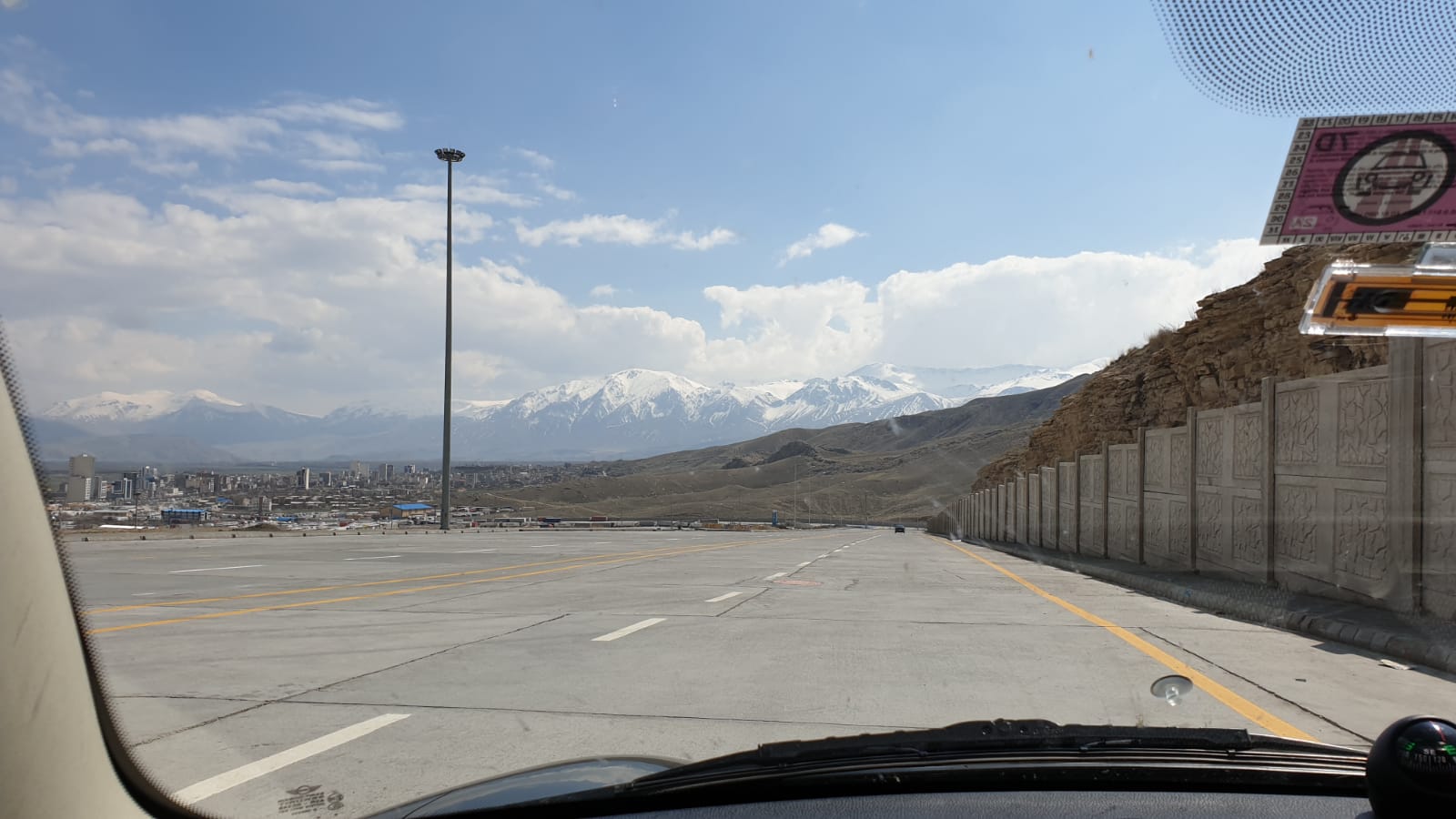
As we parked the car to rearrange our stuff, the agent, who was following us in a car of his own, motioned us to follow him back because, “There is some paperwork missing. We need to enter some information in the computer.”
This was not something we had been told by the officials, nor was something like this mentioned in any of the sources we had consulted.
One again, the agent wanted me to hand him the documents and he’d get it sorted within minutes.
We were having none of it. I told him to let the officials follow us if there is something missing and stop bothering us.
And he STILL hung around, till we left for the gate, but didnt say anything else.
Not the most pleasant experience to start off our time in Iran but these kind of slimy characters are to be found around the world, trying to make a quick buck off of travellers. We certainly weren’t about to let this bother us much.
The exit from the border complex was uncomplicated as the officer at the gate took the piece of paper from us with a very warm, “Welcome to Iran”.
The first order of business was getting some local currency as we had been able to use the credit card everywhere, throughout our journey. We only had about €200 worth of Liras for the whole week or so in Turkey, to pay for small amounts like a cup of tea in cash. And we simply used ATMs for this, not any currency exchange office.
Avoiding all the people standing around with fat bundles of cash all along the street, we went to an official exchange place. In lieu of a copy of my passport and €150, I was handed over 24,000,000 Iranian Riyals.
Yes, the digits are correct.
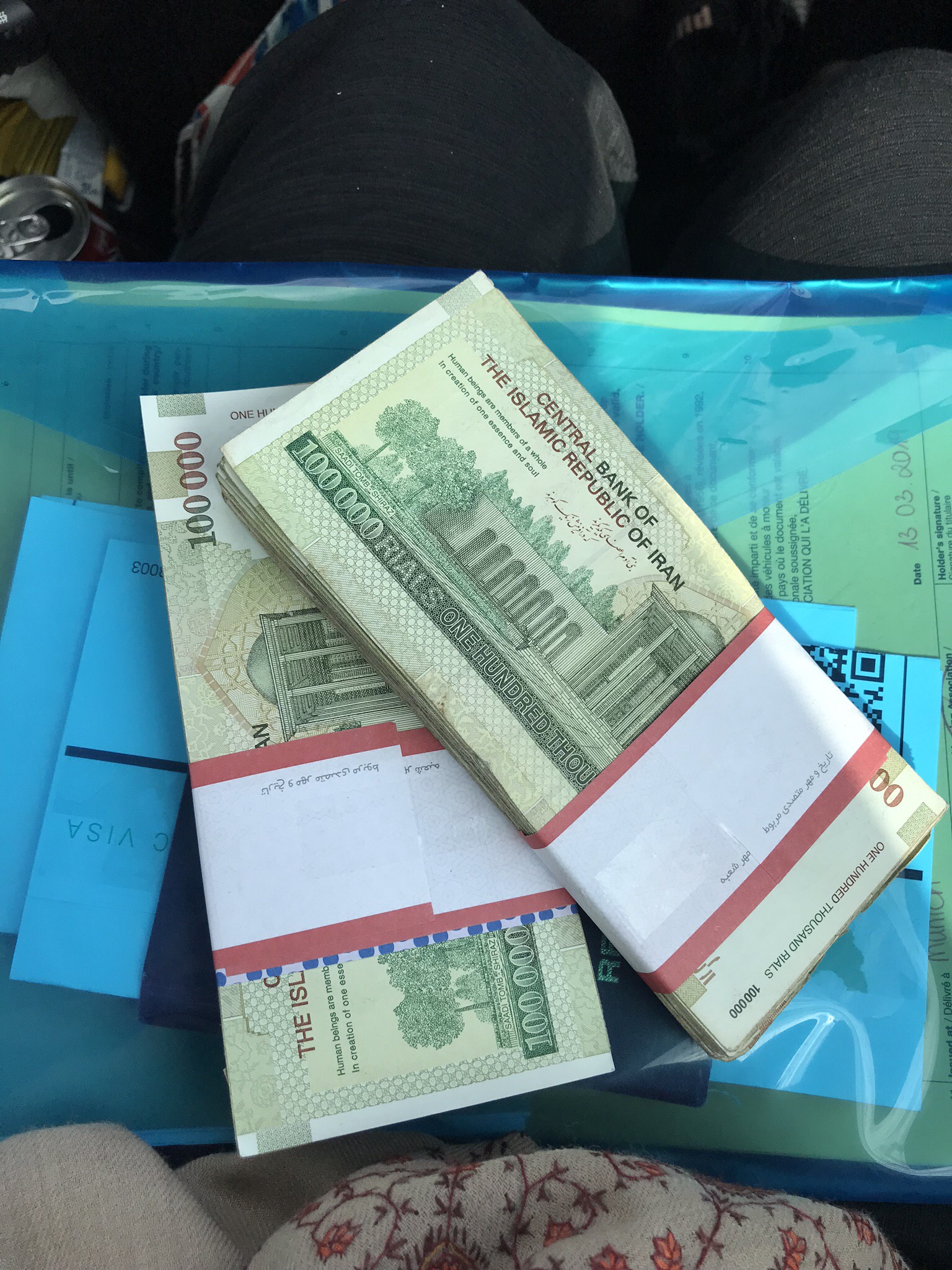
You see, due to the brutal economic sanctions imposed on Iran, hyperinflation of the last 40 years have rendered the local currency pretty much worthless. This means a heap of suffering on the population on one of world’s largest oil and gas producers. While a handful elite, the ones that the sanctions are actually meant to strike, live lives of luxury largely immune from the sanctions, the masses below them suffer every single day to even meet the most basic needs.
All the processing at the border meant we were in Bazargan after lunch. Our goal for the day was to reach Tabriz.
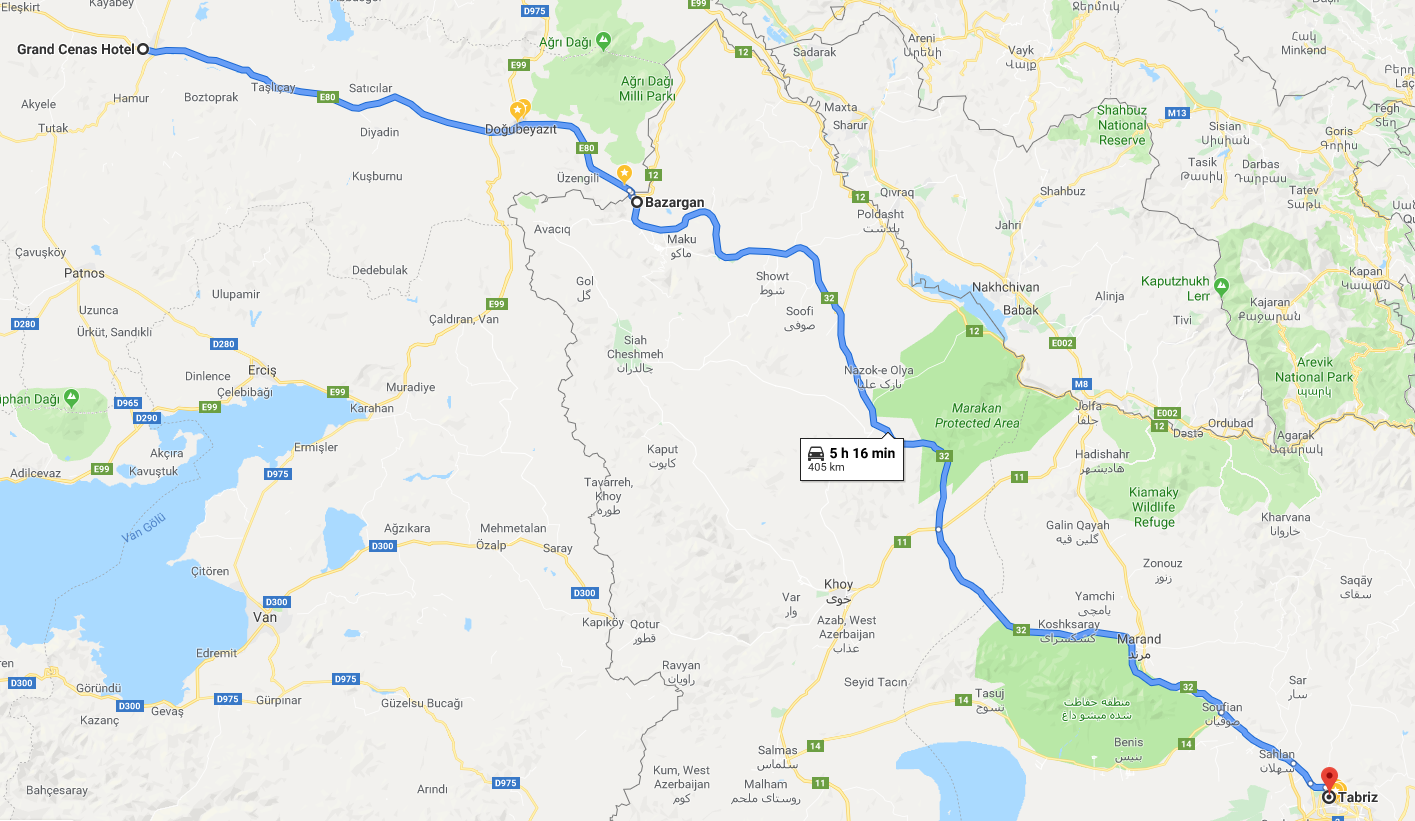
We still had data from our Turkish sim cards available just over the border and this was our chance to see where we could spend our first night in Iran.
Google and other hotel search portals are not a lot of help (again, due to sanctions) but thankfully, I still had the contact details of colleagues based in Iran from my work trip. On their tip, we had the address of a hotel in Tabriz. This was good enough for us to plan our route and get going.
Our first test of dealing with everyday Iran was getting refueled.
You see, to try to ease the need for printing tons of essentially worthless currency notes, the government has introduced ‘fuel cards’. Every citizen can get one and they can pre-load them at banks. These cards are then used to pay for fuel at any of the thousands of country’s fuel stations. This poses a problem for those that may not be part of the electronic payment infrastructure, such as travellers.
This problem has a seemingly simple solution.
Each petrol pump has such a fuel card just hanging to it with a rope. You can just go ahead and use this card to refuel and then pay the amount on the meter to the helpful assistant standing next to it.
Petrol in Iran, as you can imagine, is CHEAP. It took us roughly 4 to 5 Euros worth of Riyals to fill up the whole (35 litres, relatively small) tank of the Mini.
The fuel quality, however, is not so good. Once again, thanks to the sanctions. In order for you to not damage your car engine, it is advisable to use octane boosters every 2nd fill up. You can get some of these boosters before crossing into Iran but they’re available across Iran too.
They also give your engine a bit of a power boost, if you feel like the performance may not be the same as before entering into Iran.
A few kilometers out of Barazgan and we saw a motor cyclist parked on the side of the road. We had seen this Italian registered bike at the border as well, and he seemed to be having a bit of a tough time with the officials so we decided to stop and say hi.
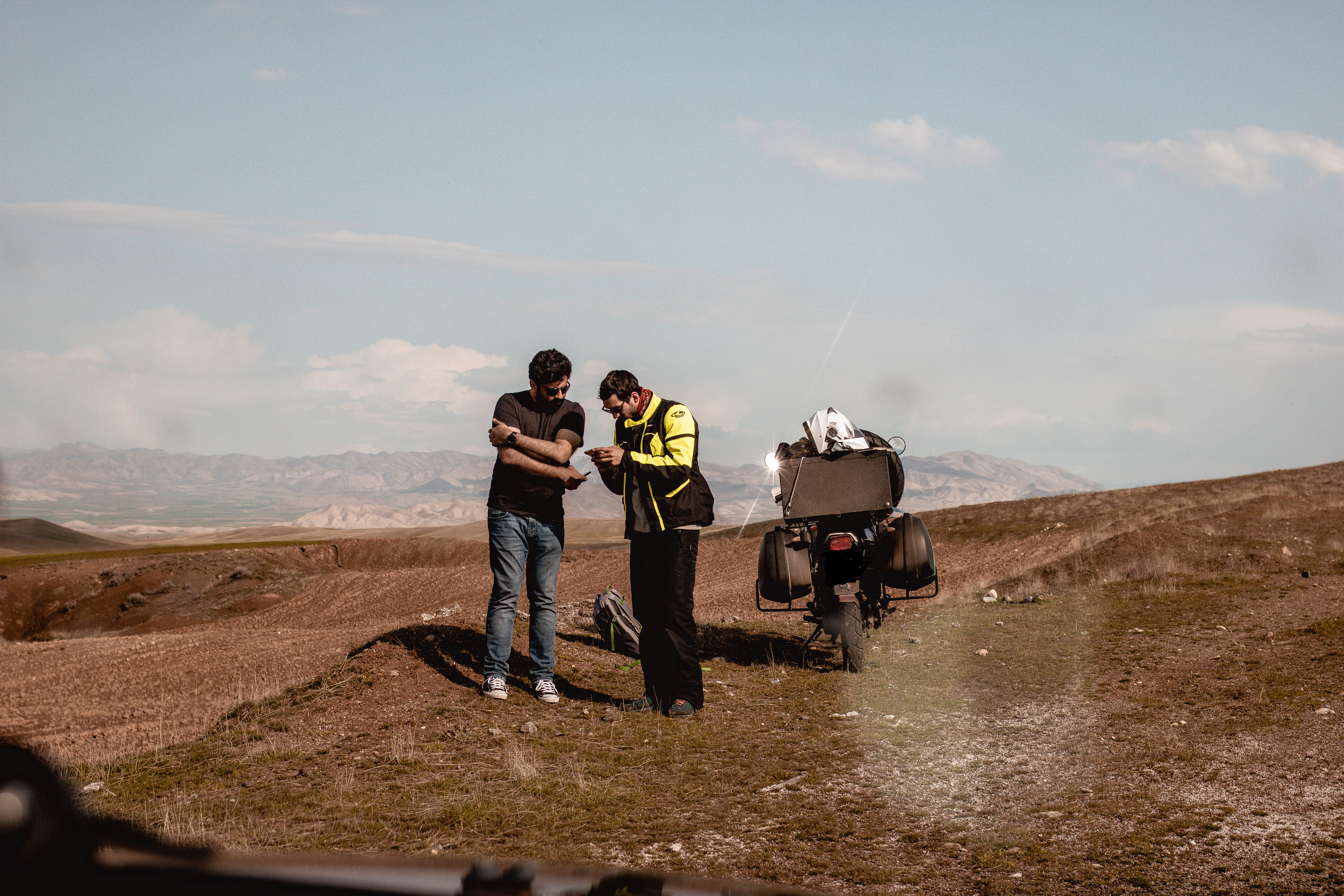
Filippo was from North Italy, just across the border from Austria and spoke German. He’s an architect and wanted to use his month long visa to see as many historical sites that he could. He mentioned that he did end up paying the agent, just to get him off his back. It wasnt easy for him to deal with officials as apparently, his bike was considered a ‘luxury vehicle’ due to its large engine size. But they finally accepted him in.
We did plan to have dinner than night but couldn’t manage due to Hira’s condition worsening. After that, our paths separated and there was sadly just no time to catch up.
We both agreed that Iran is simply too big to properly see within just a matter of days.
Back on our way, we reached Shahryar International Hotel in Tabriz just before sunset.
The day’s driving had taken a toll at Hira’s condition and she wasn’t able to get much done that day.
We were able to get a room for two nights at a decent rate of €50 a night, including breakfast (breakfast and parking were always included in the price at all Iranian hotels we stayed at). The good rate was down to the fact that we were arriving just after the Iranian holiday season around the national and traditional holiday of Nowroz.
In terms of the organisation, we couldn’t have possibly picked a better time to visit Iran.
In the next post, we’ll show you around Tabriz (lots of pictures).
 MINI Overland