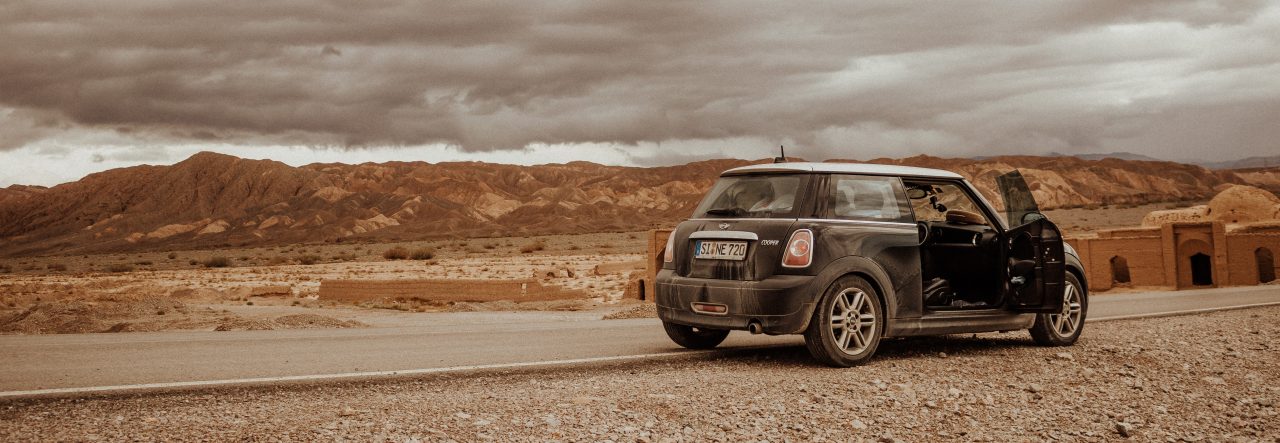
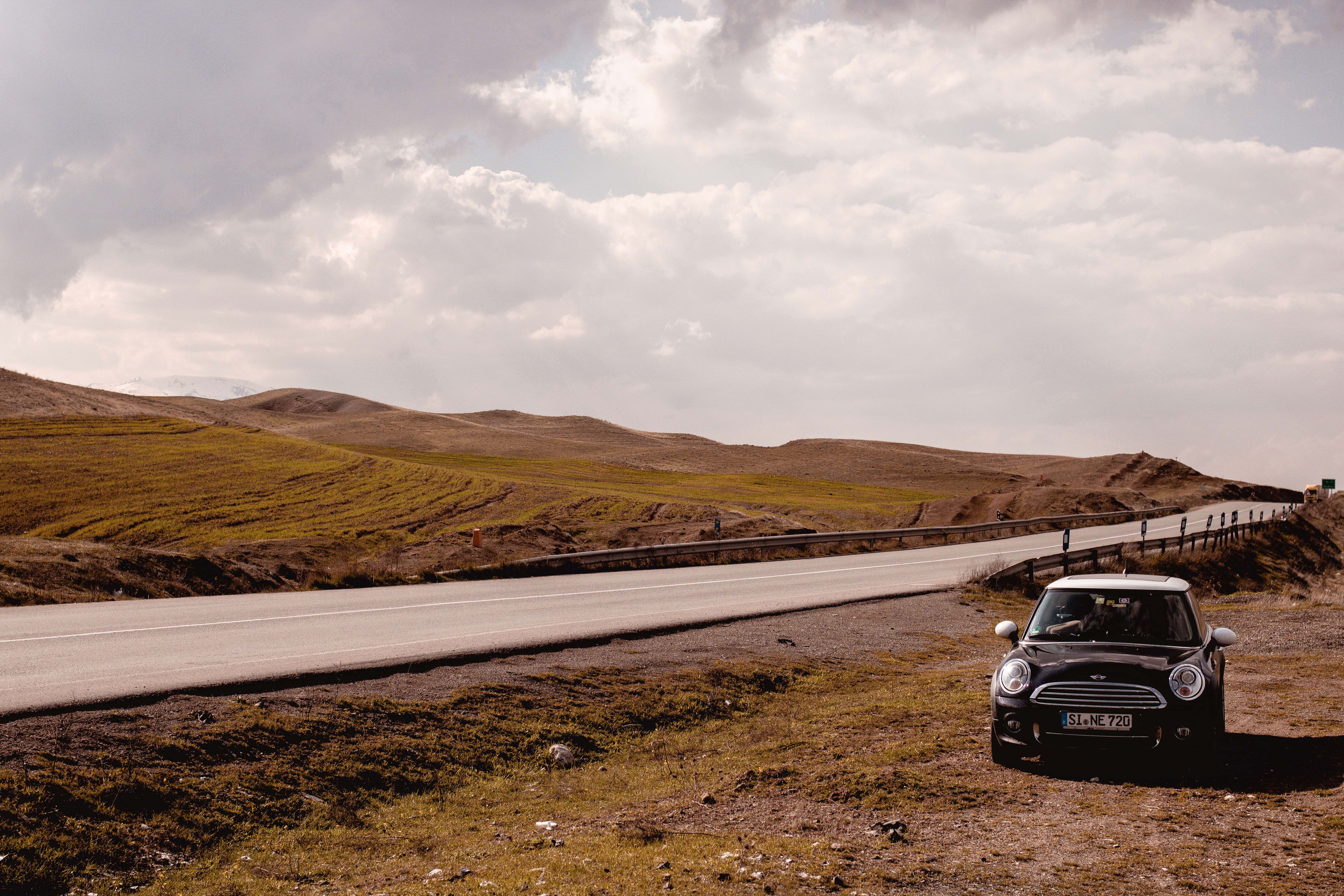
عزیزی در اقصای تبریز بود
که همواره بیدار و شبخیز بود
A beloved lived in Tabriz away from sight,
who was always alert and awake at night
―Bustan of Sadi
Occupying a place of great historical and geographical importance has brought Tabriz a rich history. It has been capital of vast empires, a centre for revolutionary movements and as a crucial location on the ancient trade routes, often a target of conquest and destruction. A certain Marco Polo (we’ve been traveling a good chunk of the ancient Silk Road all this time, in case it wasn’t obvious already) was quite impressed by Tabriz.
And we could see why.
Once we were well rested, we had the good chunk of the day to spend time in the heart of old Tabriz.
Starting with the Grand Bazaar. One of the oldest and largest of such centres of commerce since hundreds of years. Today, it is a UNESCO World Heritage Site and a must visit for any traveller.
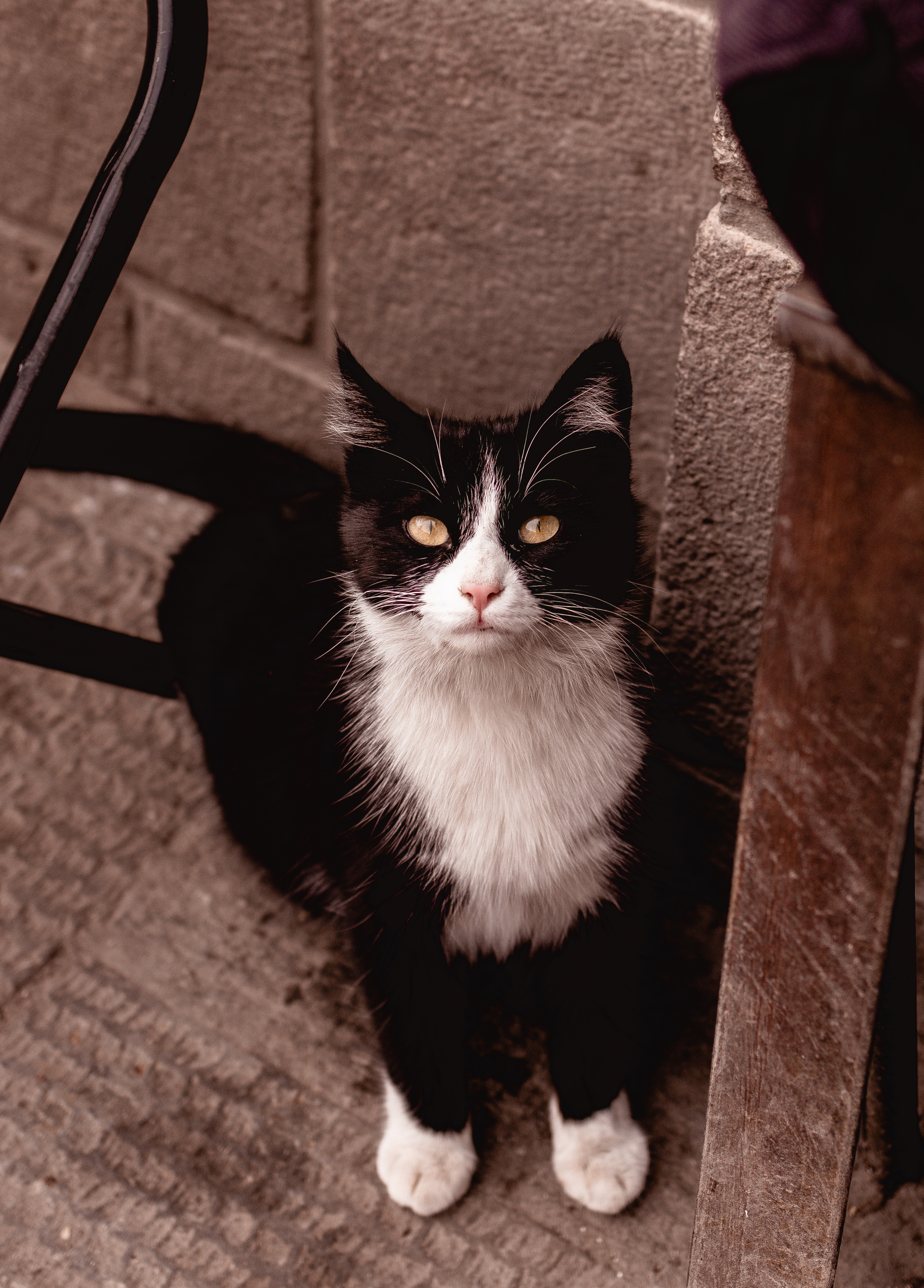
He did not show us his ID so we disregarded his claim of belonging to pussecret service. 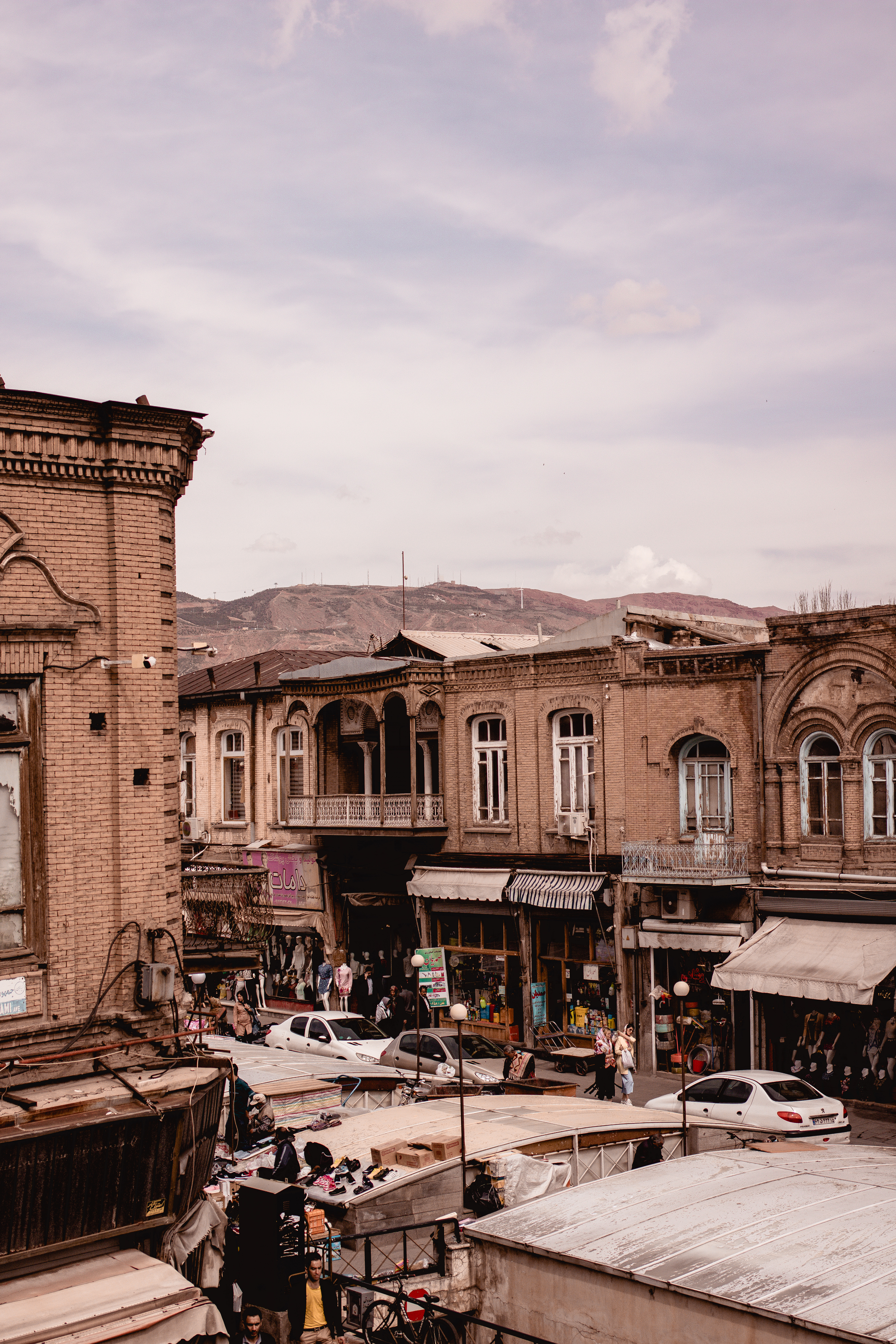
The more Hollywood inclined may imagine Tabriz as an old western town, only hundreds of years older and more impressive. 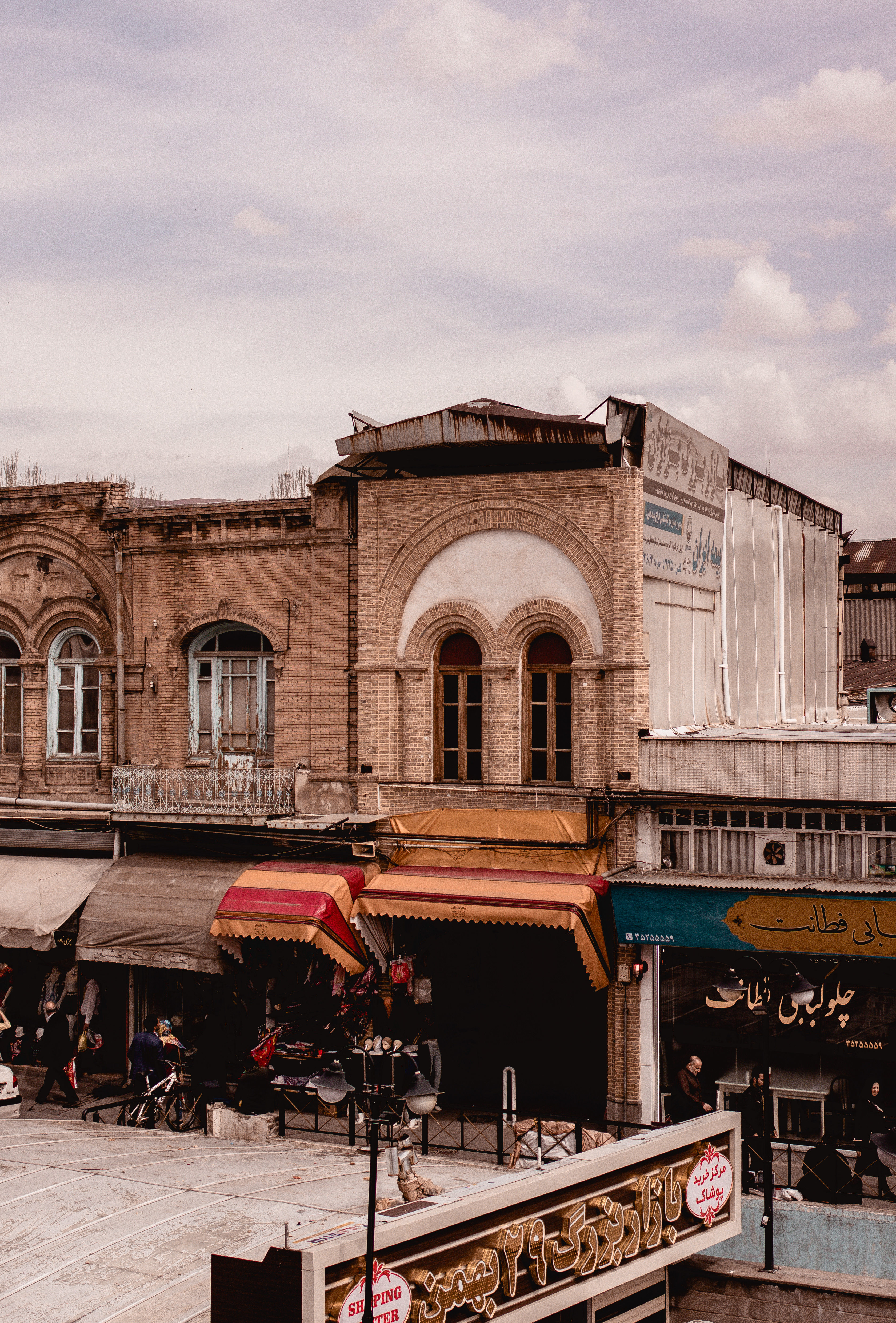
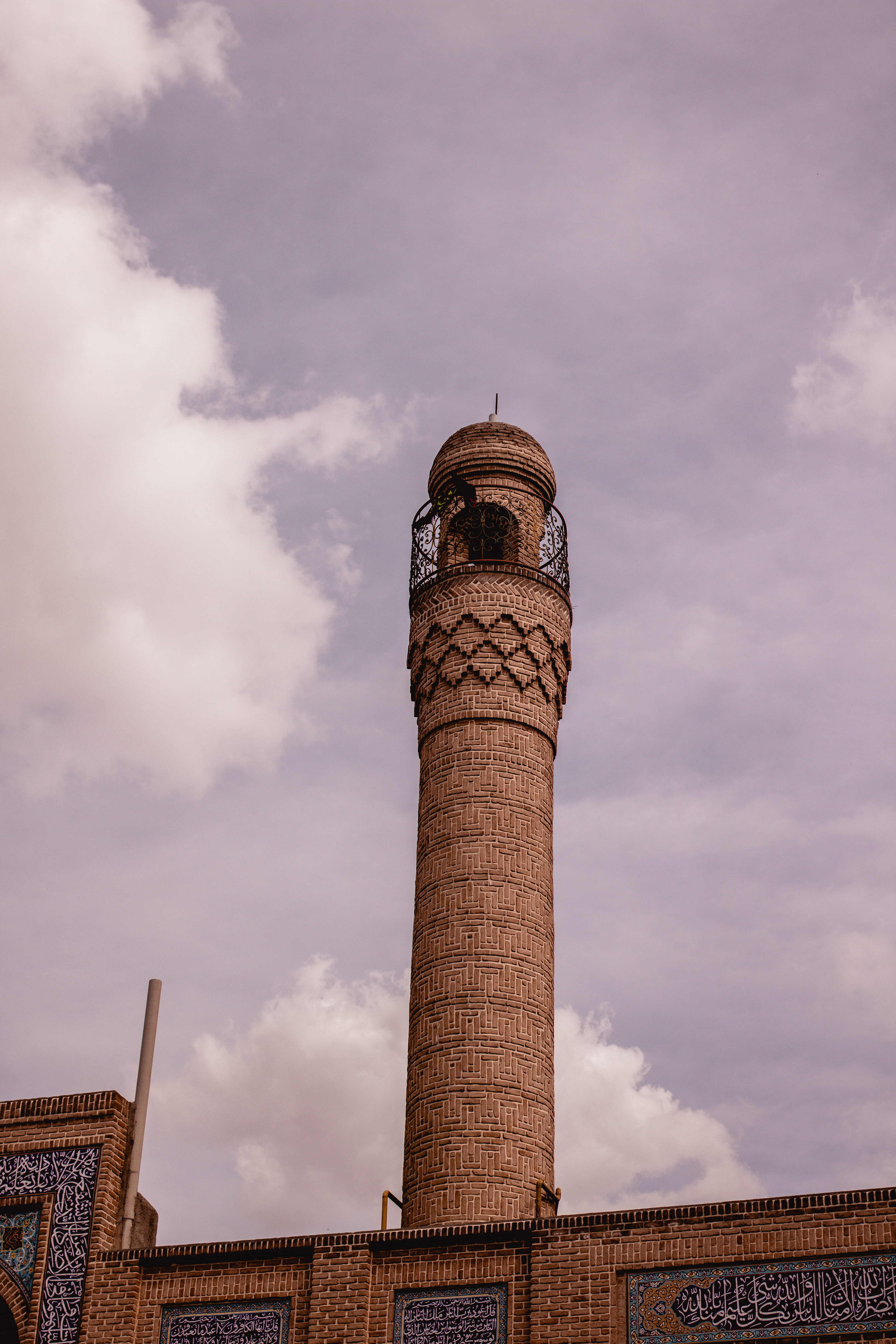
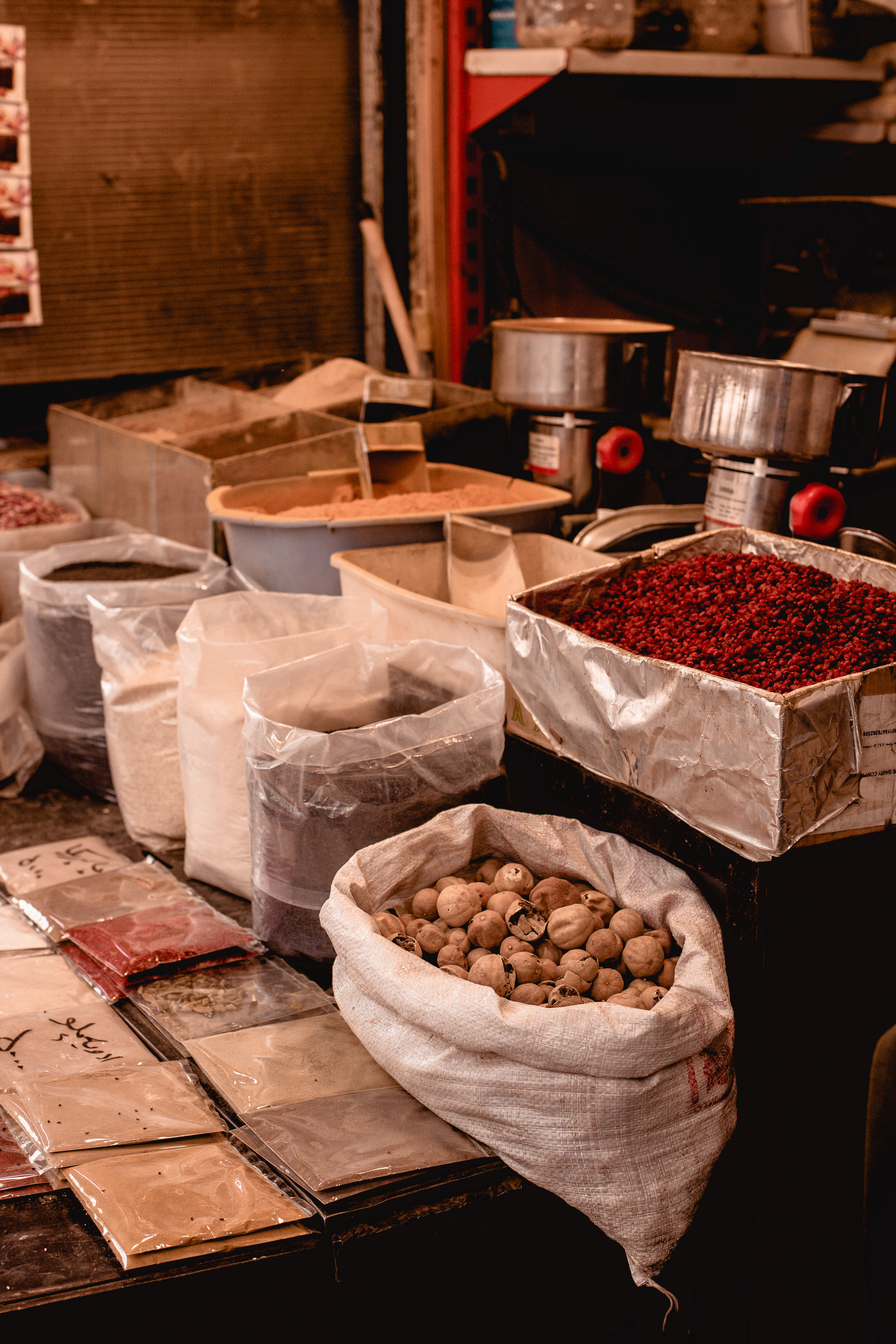
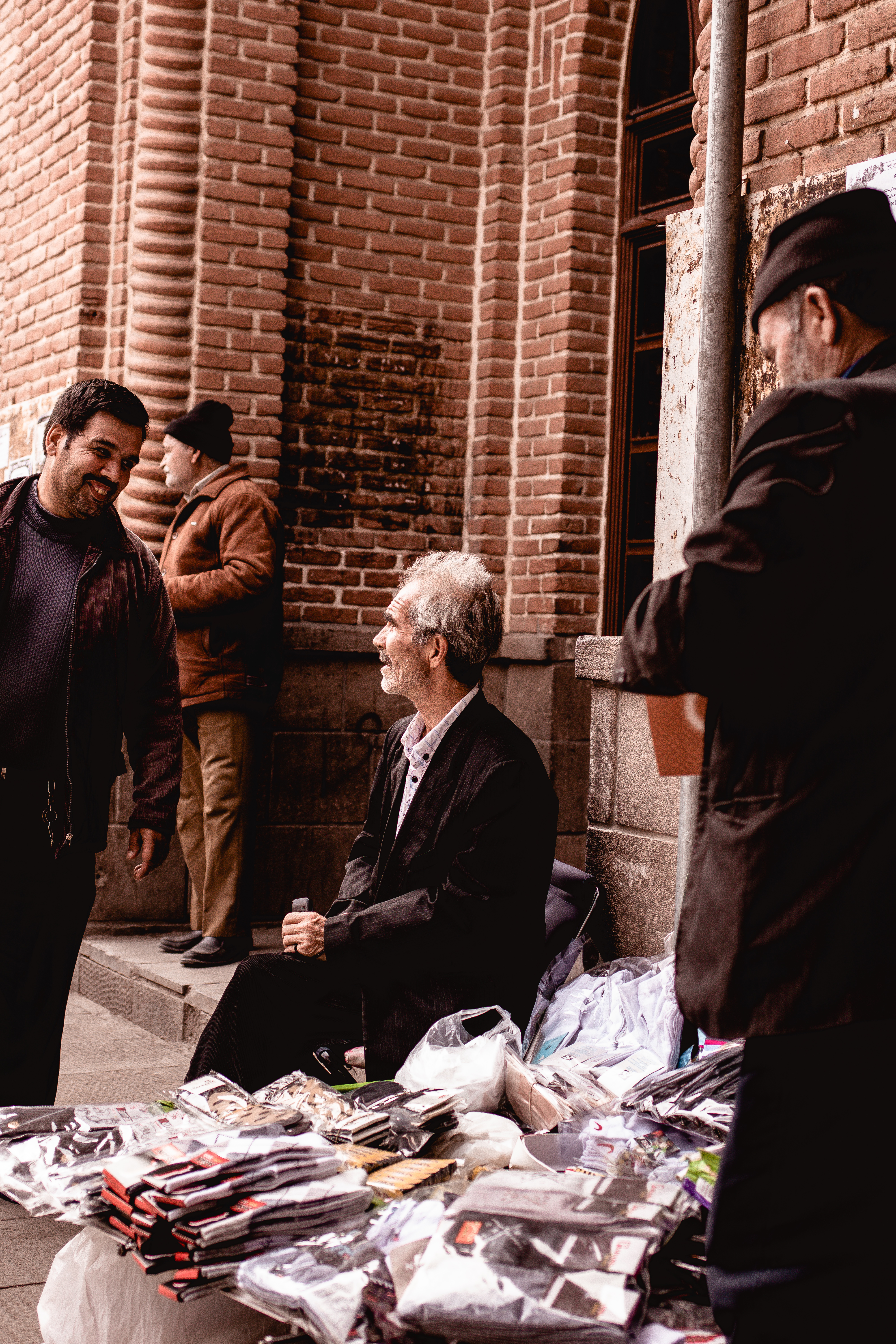
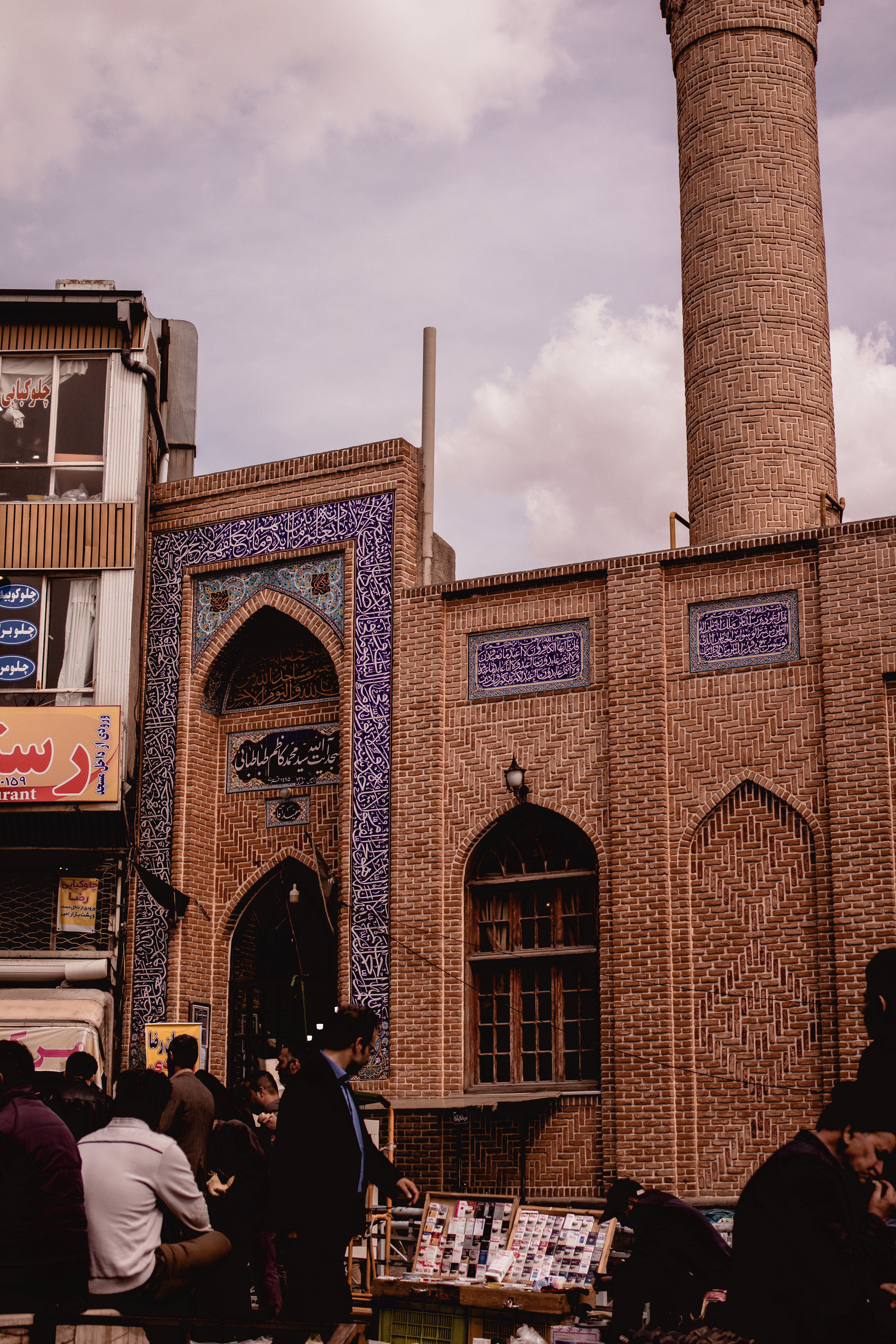
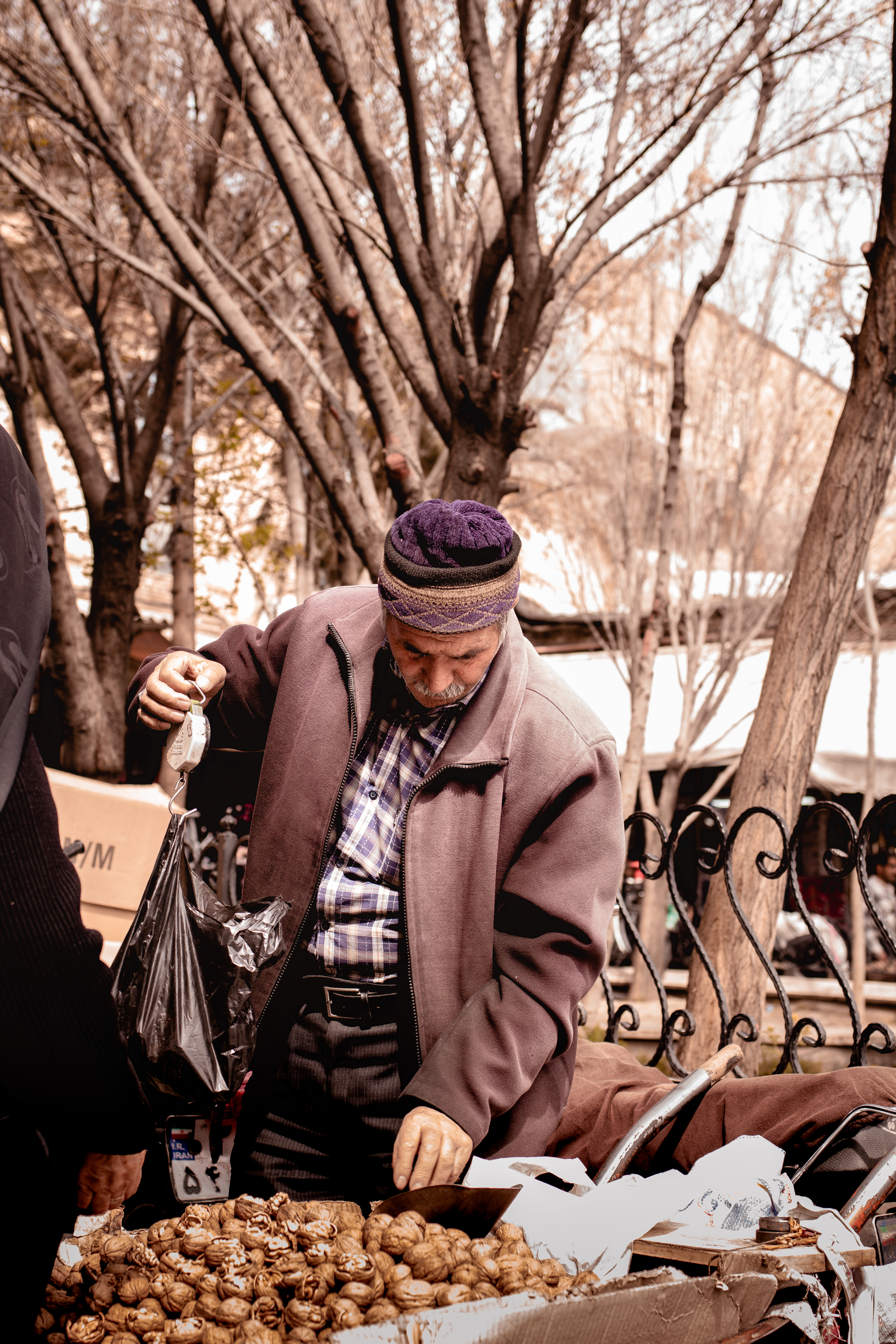
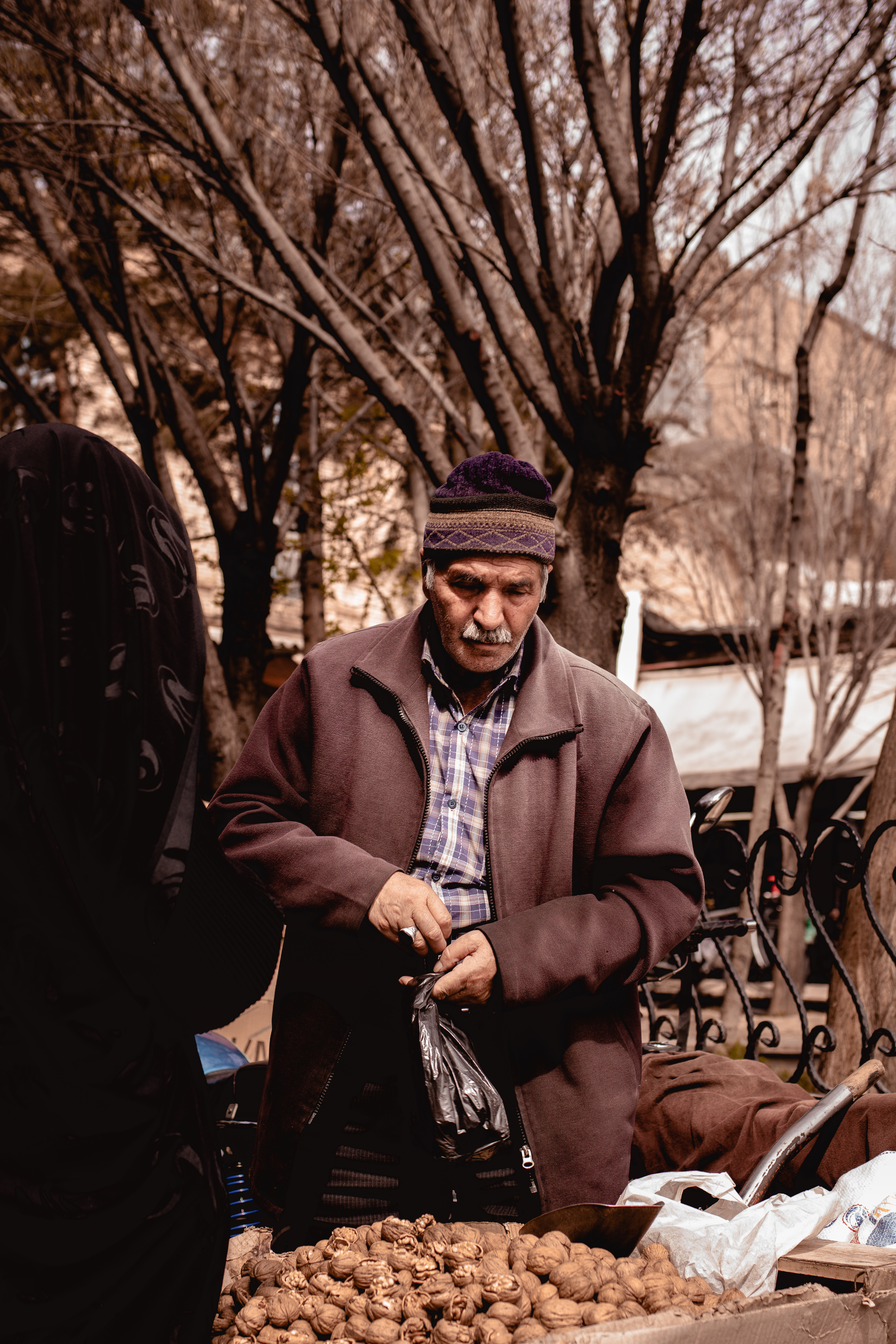
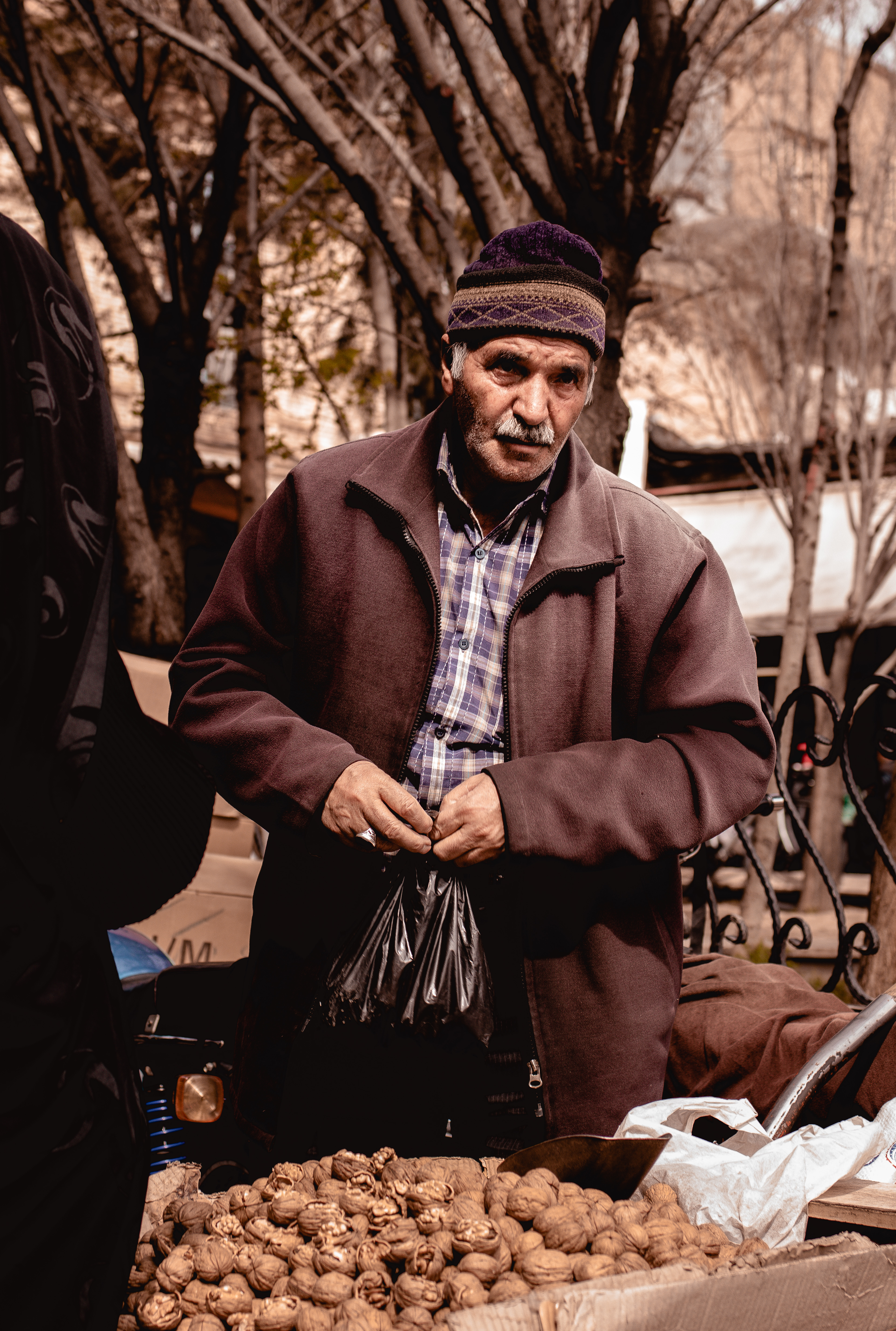
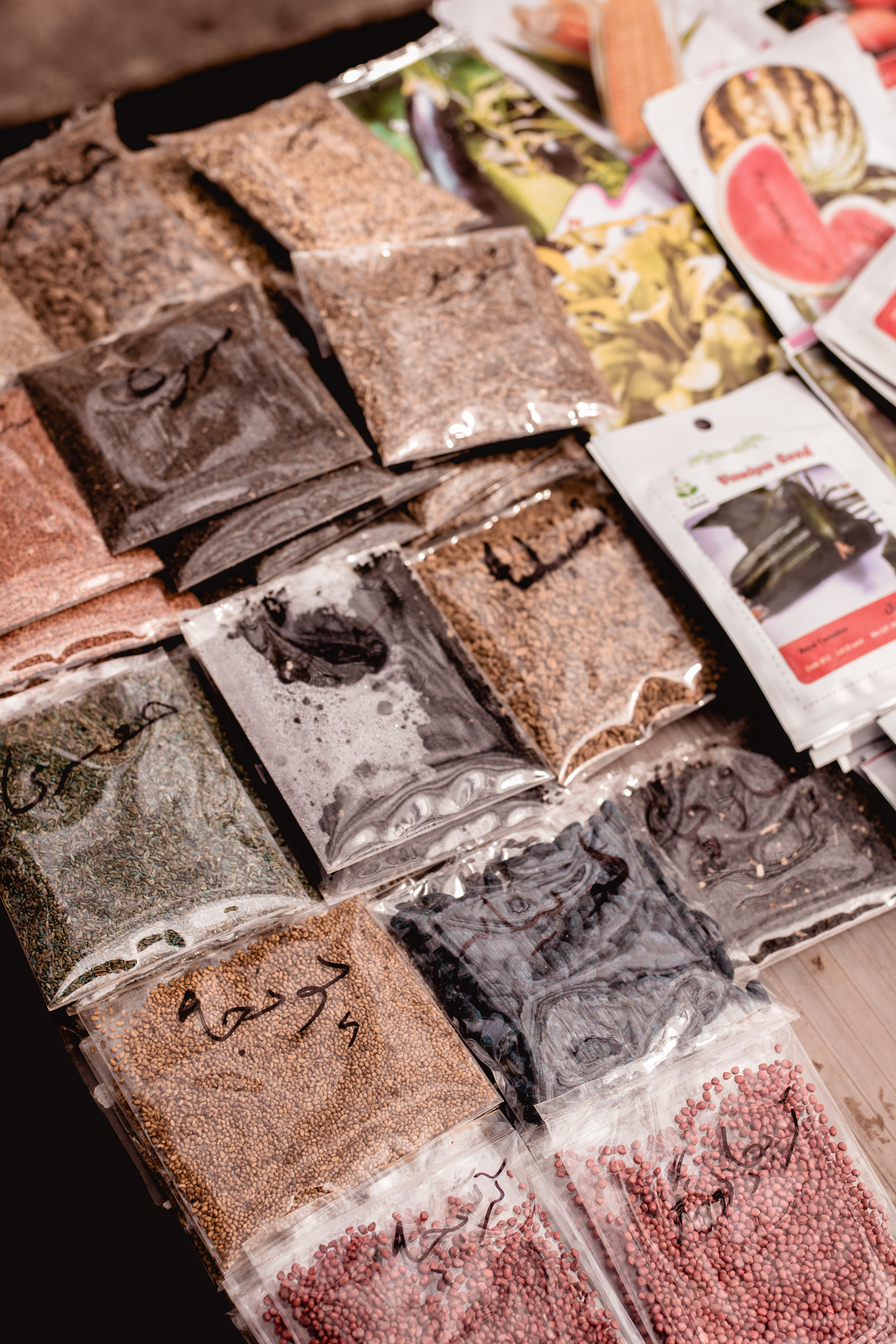
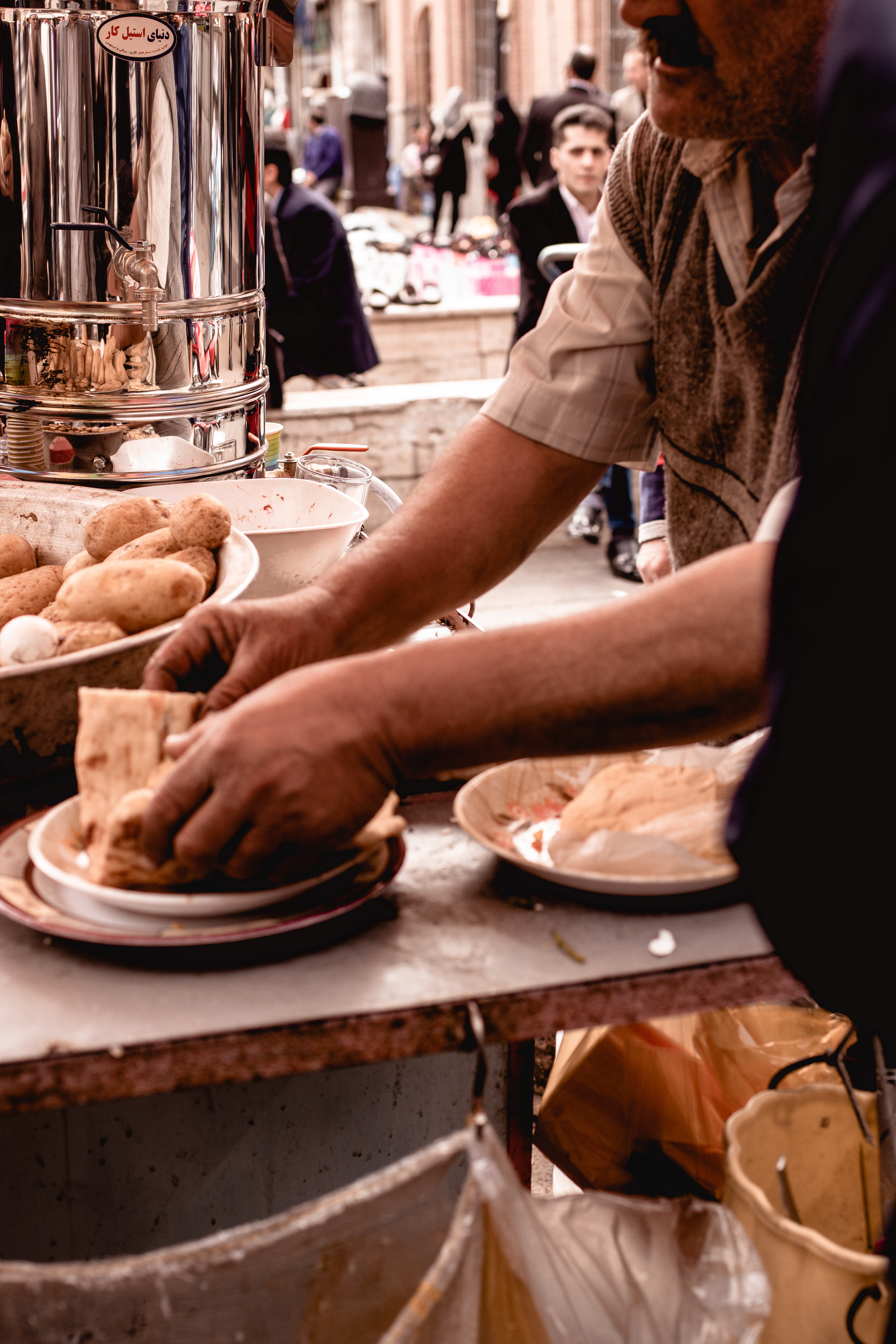
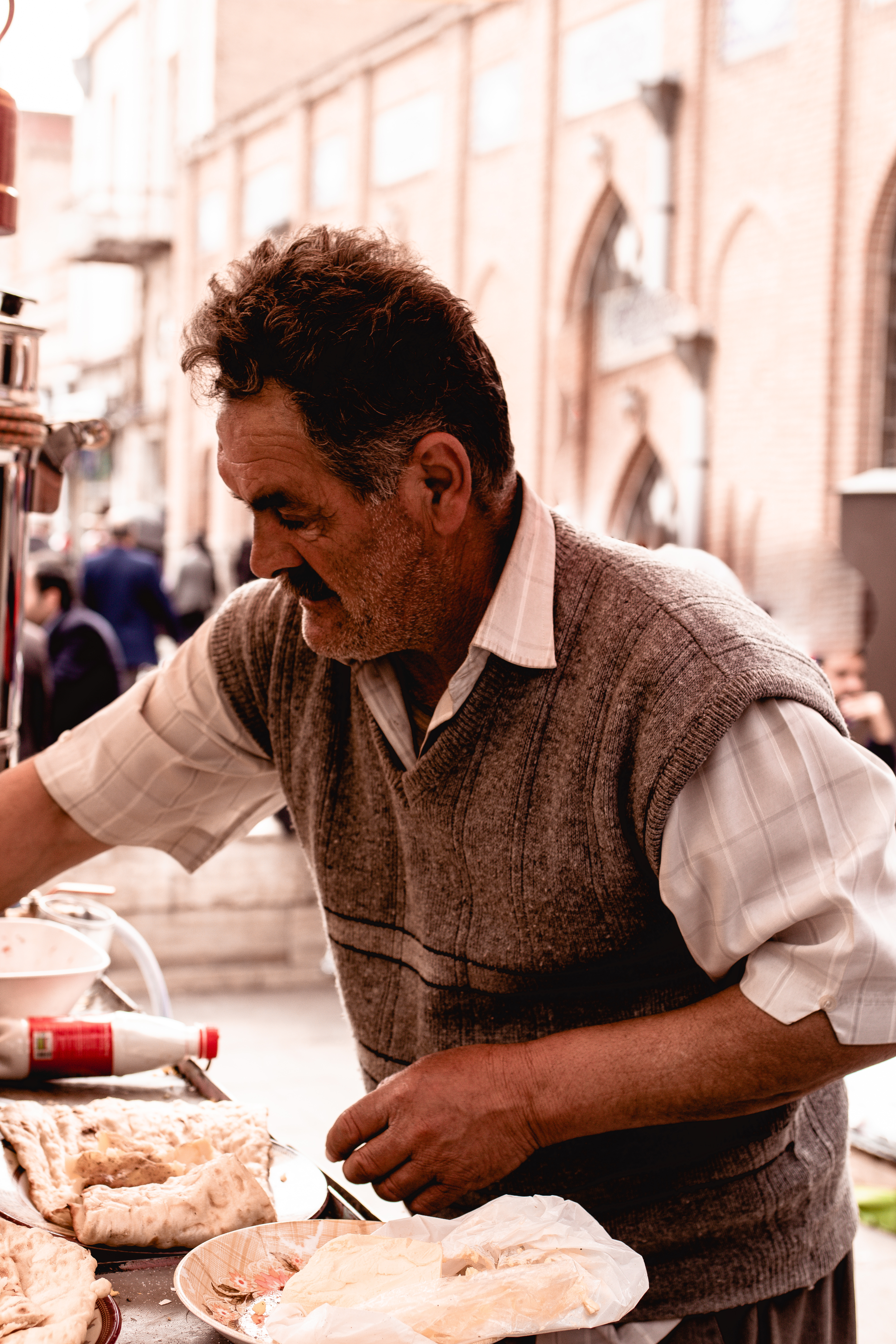
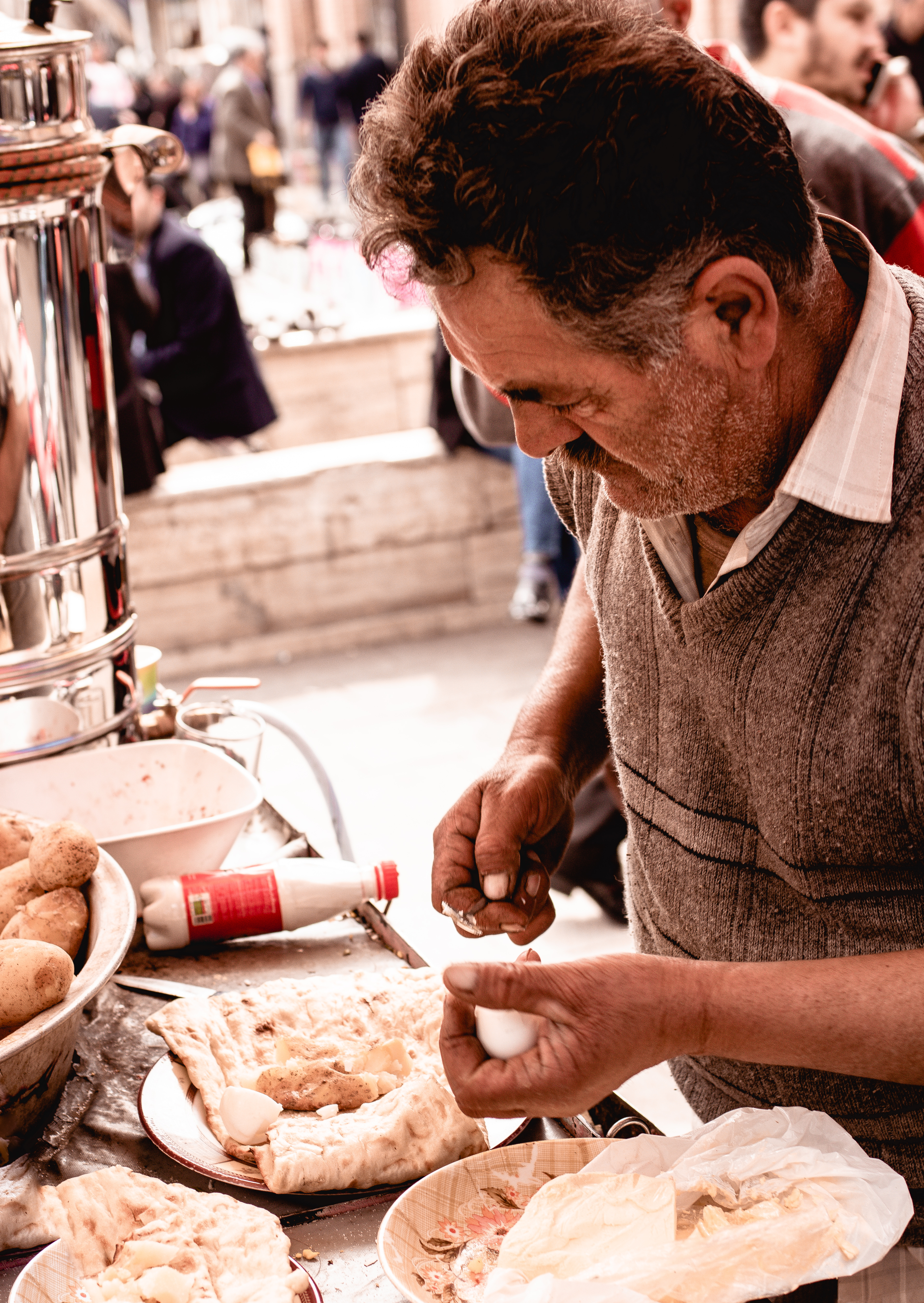
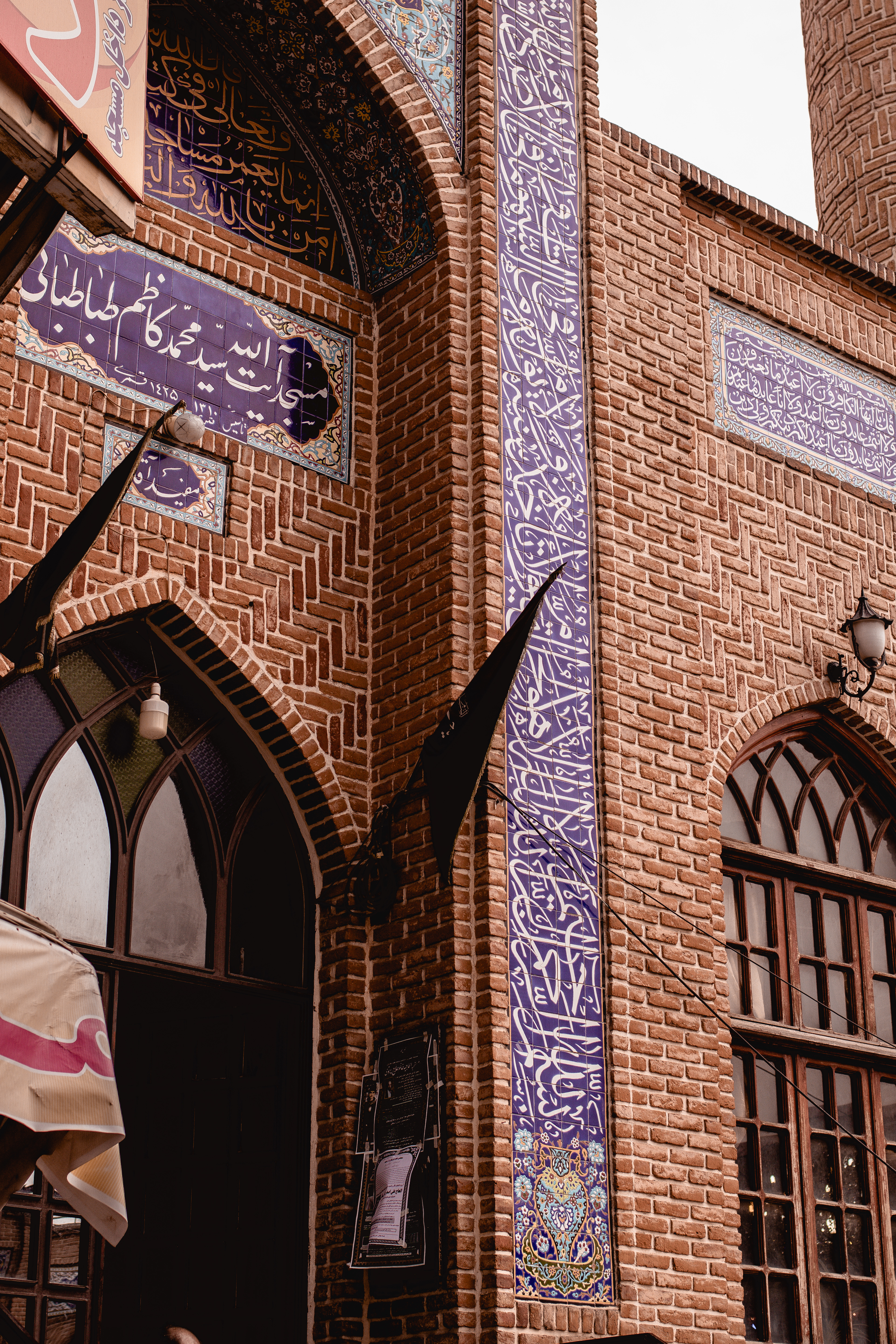
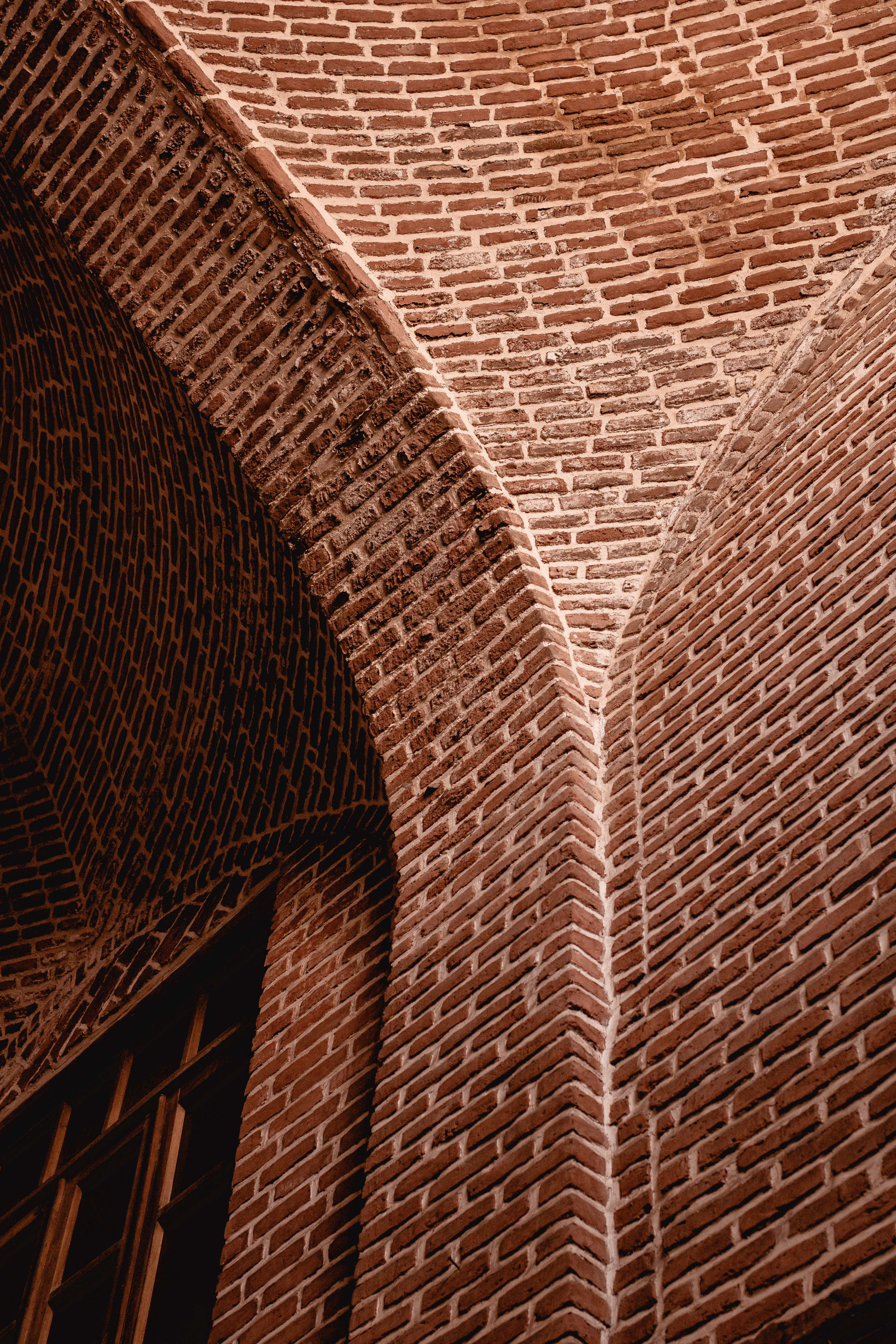
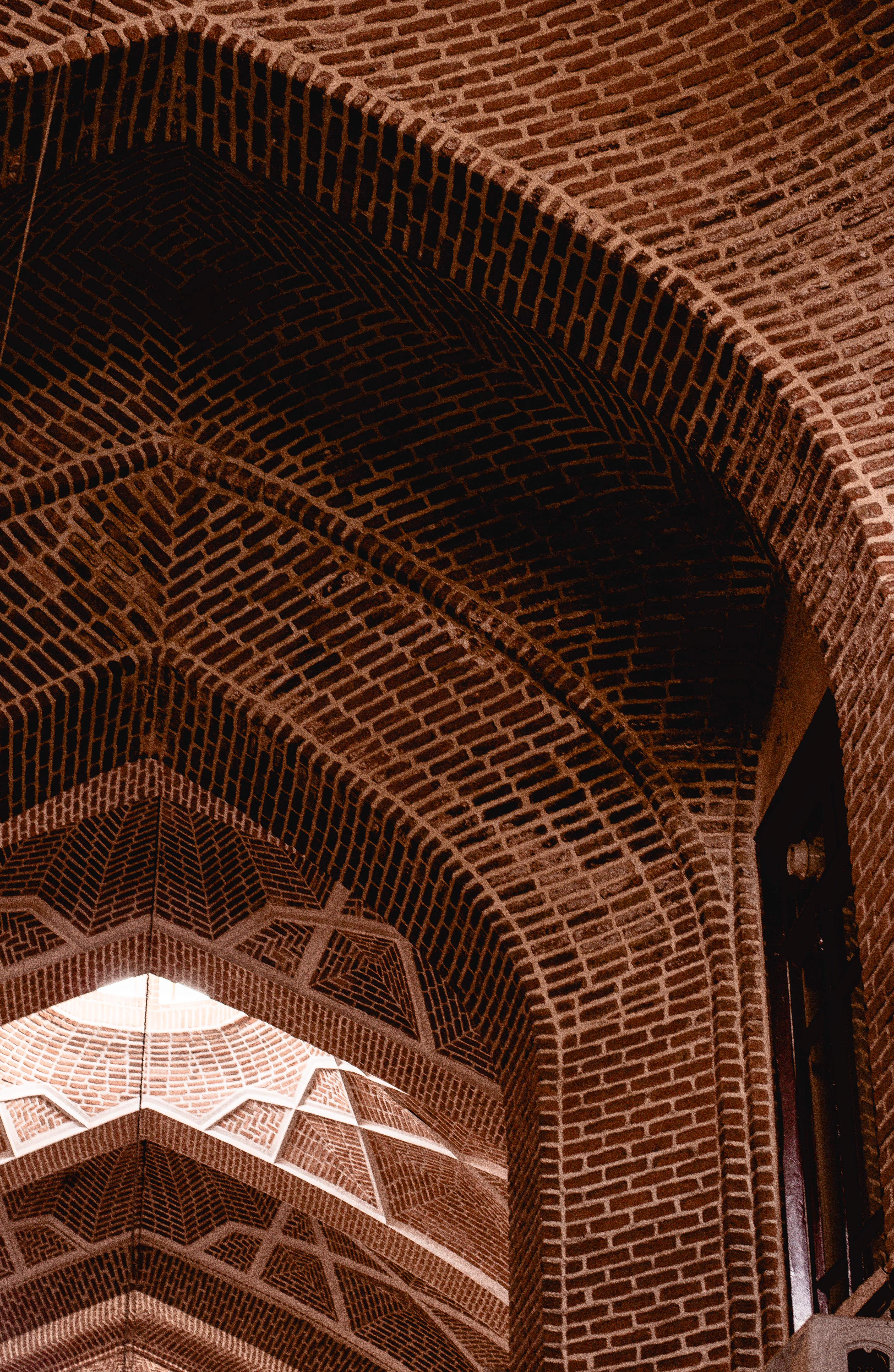
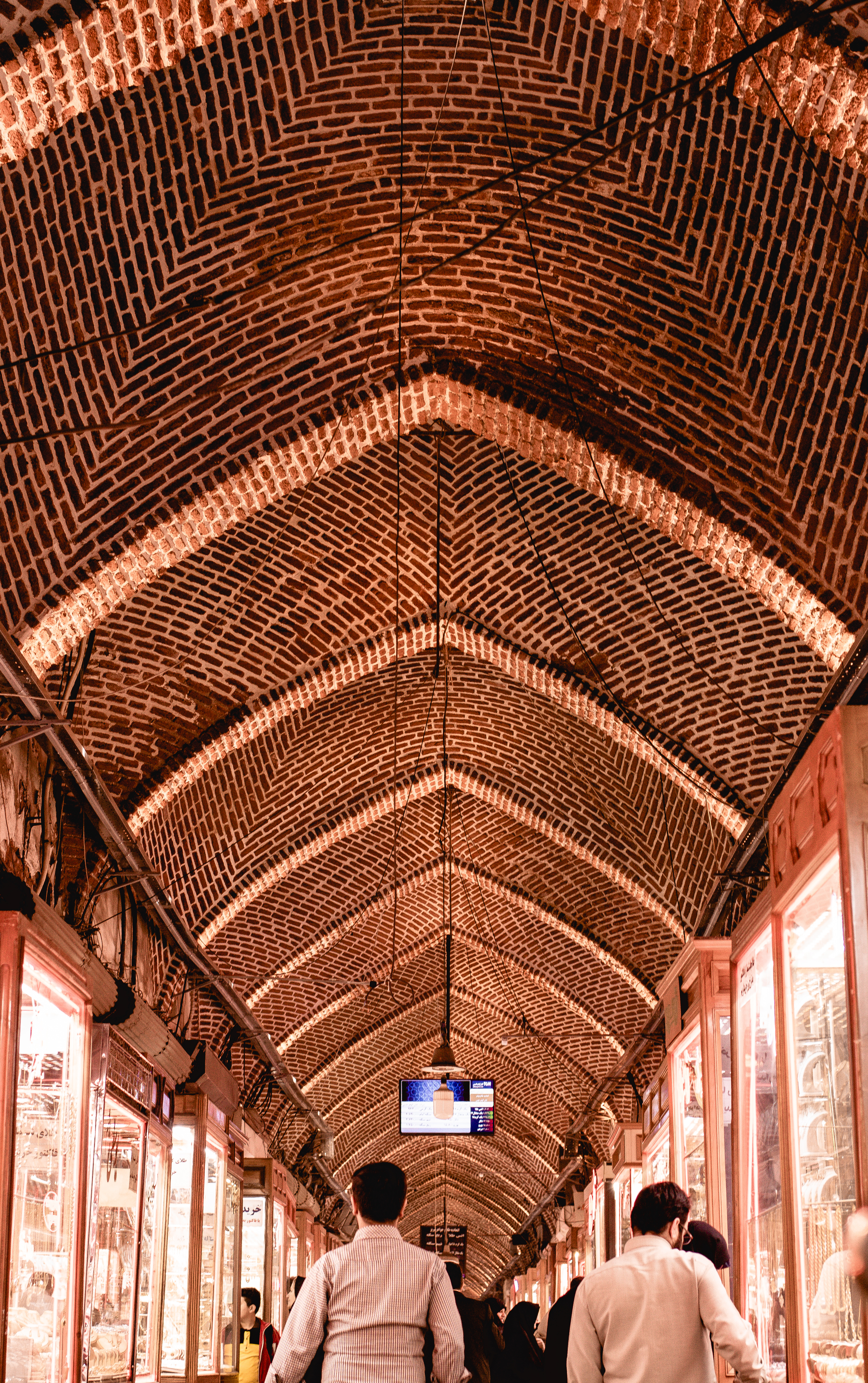
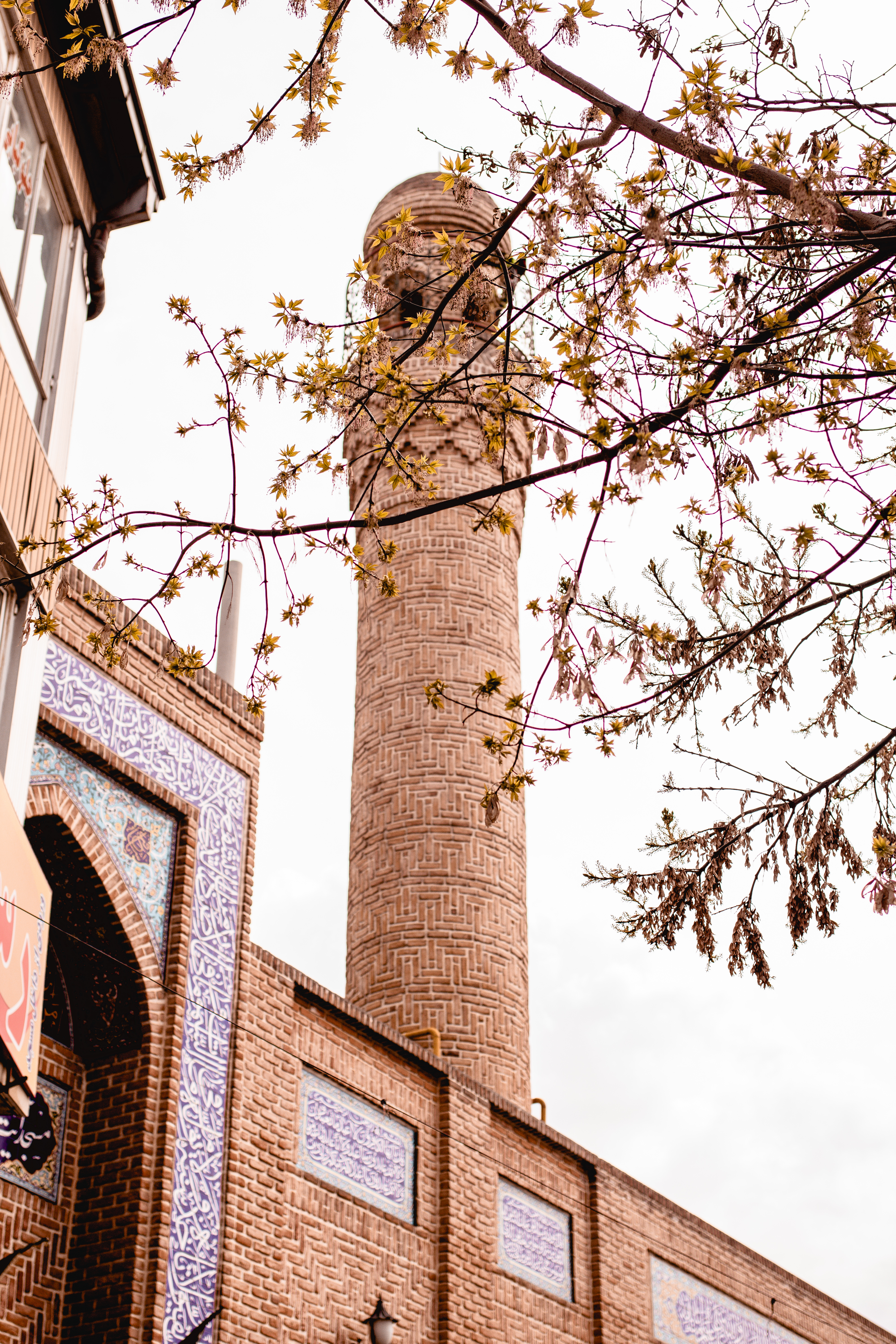
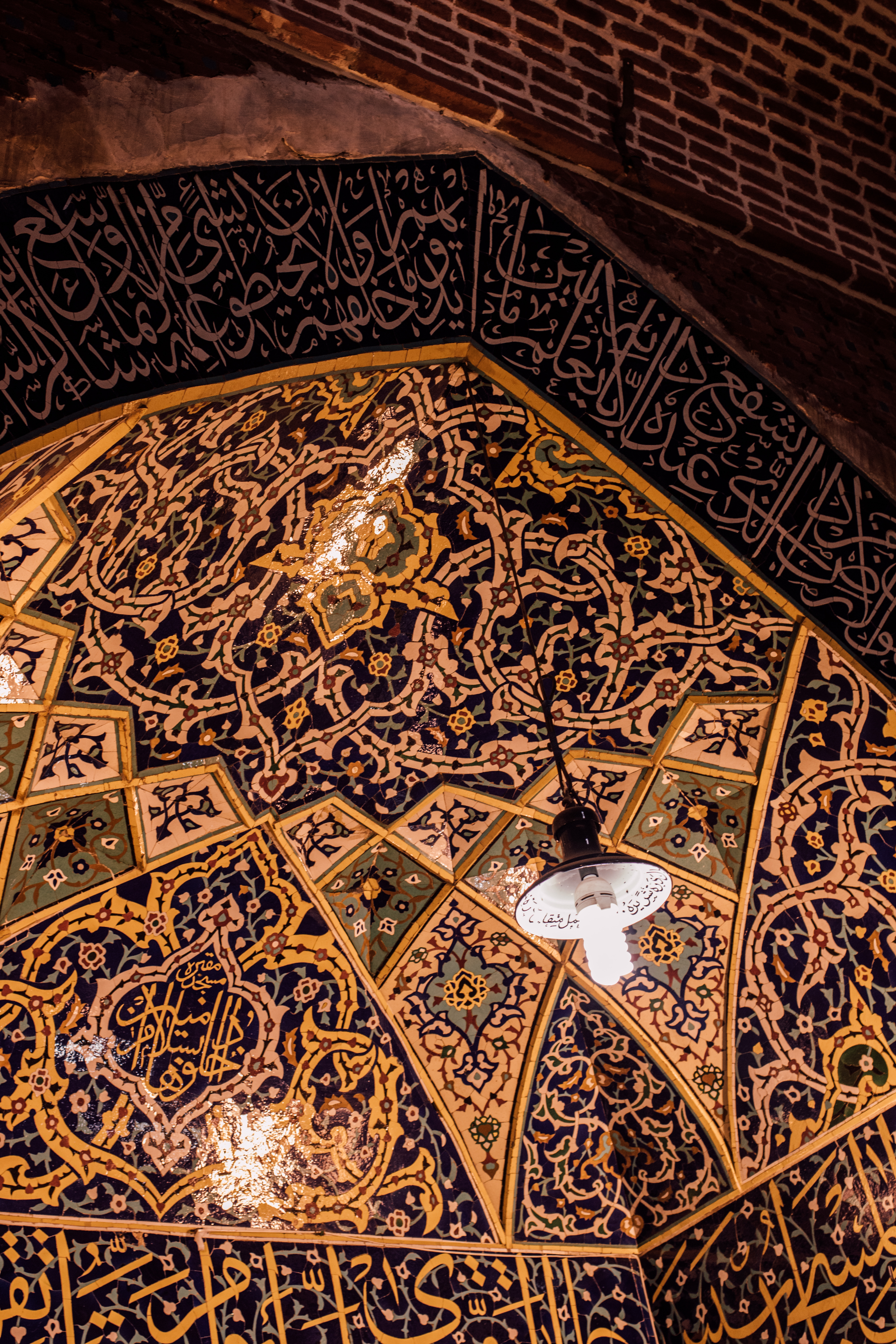
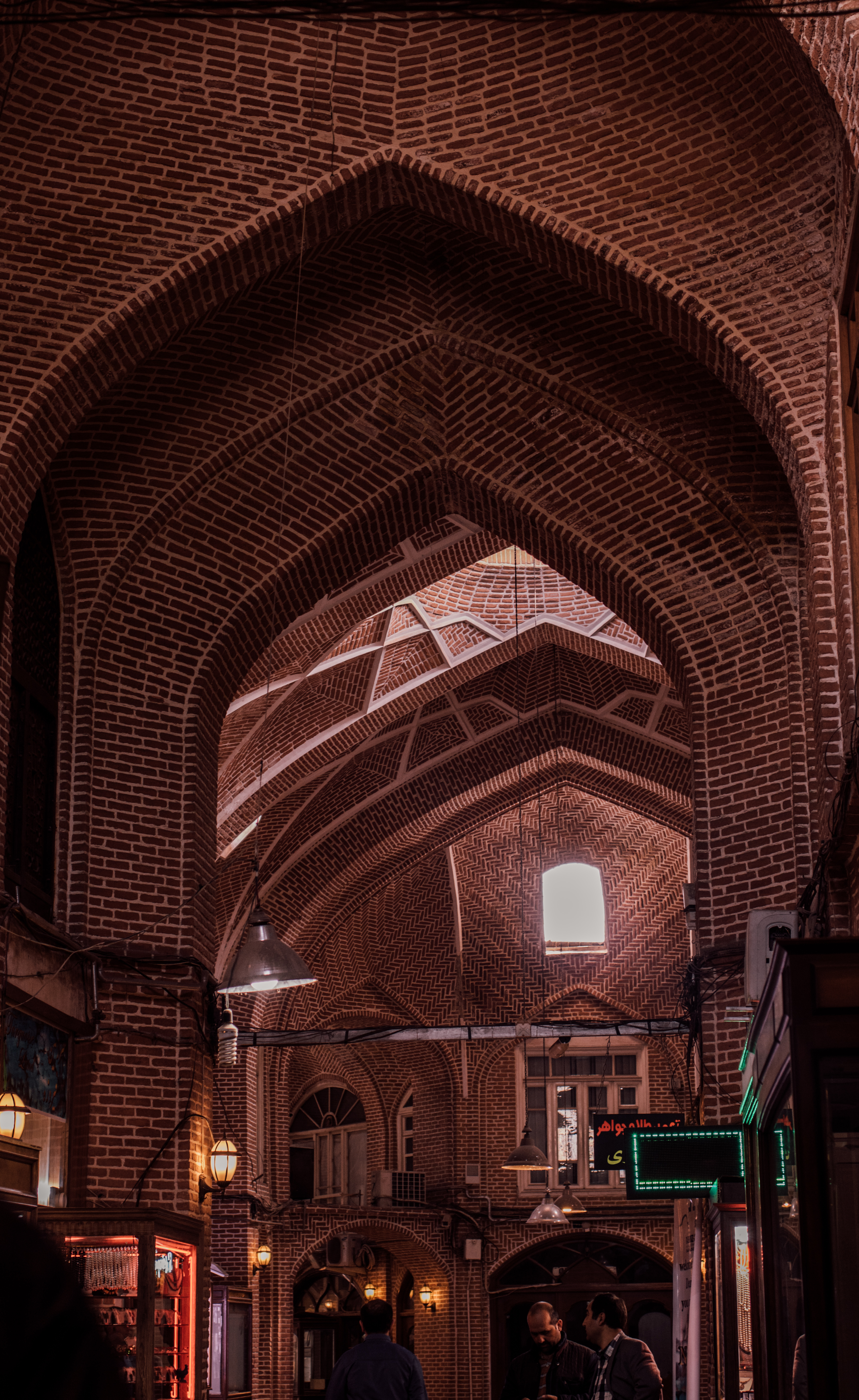
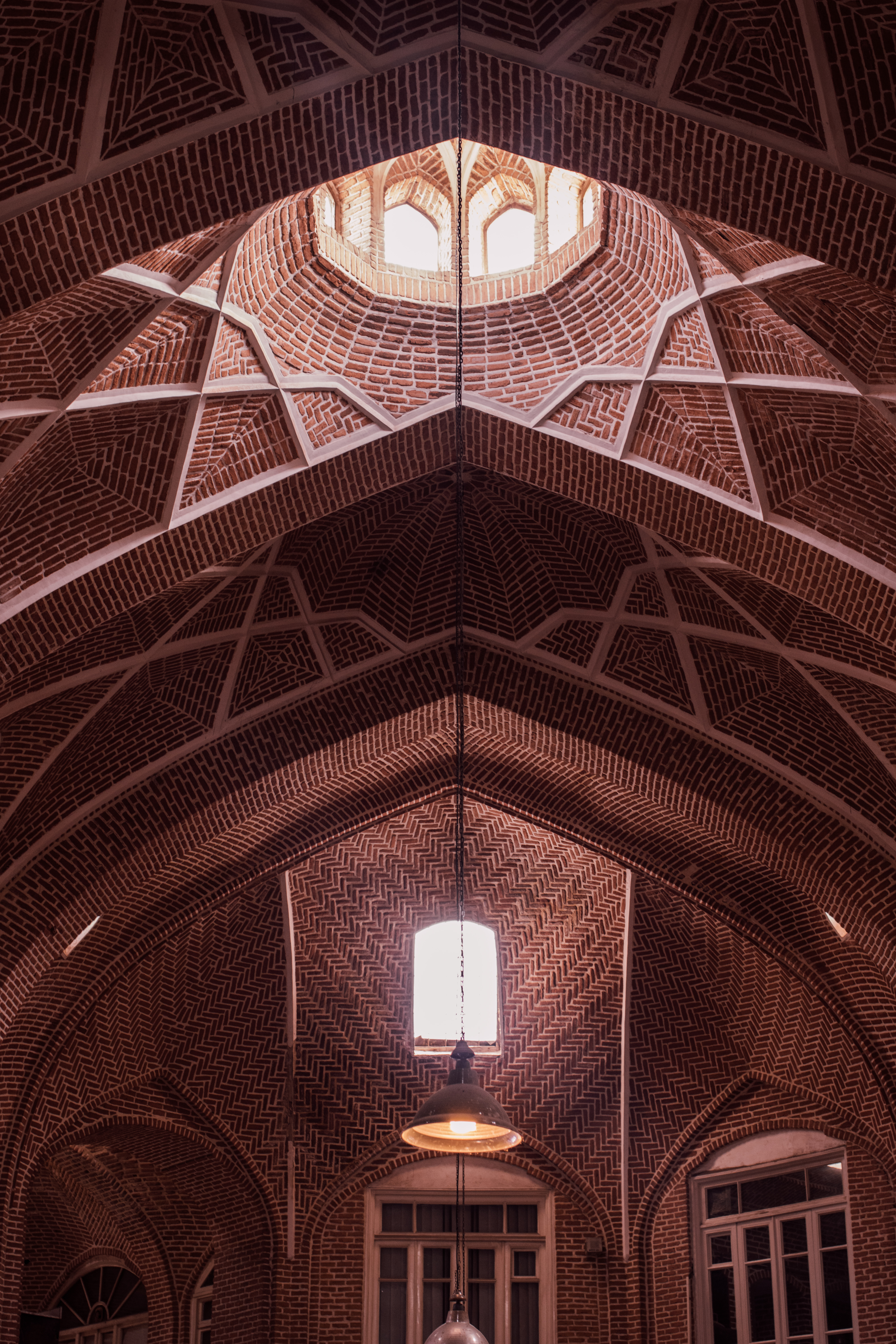
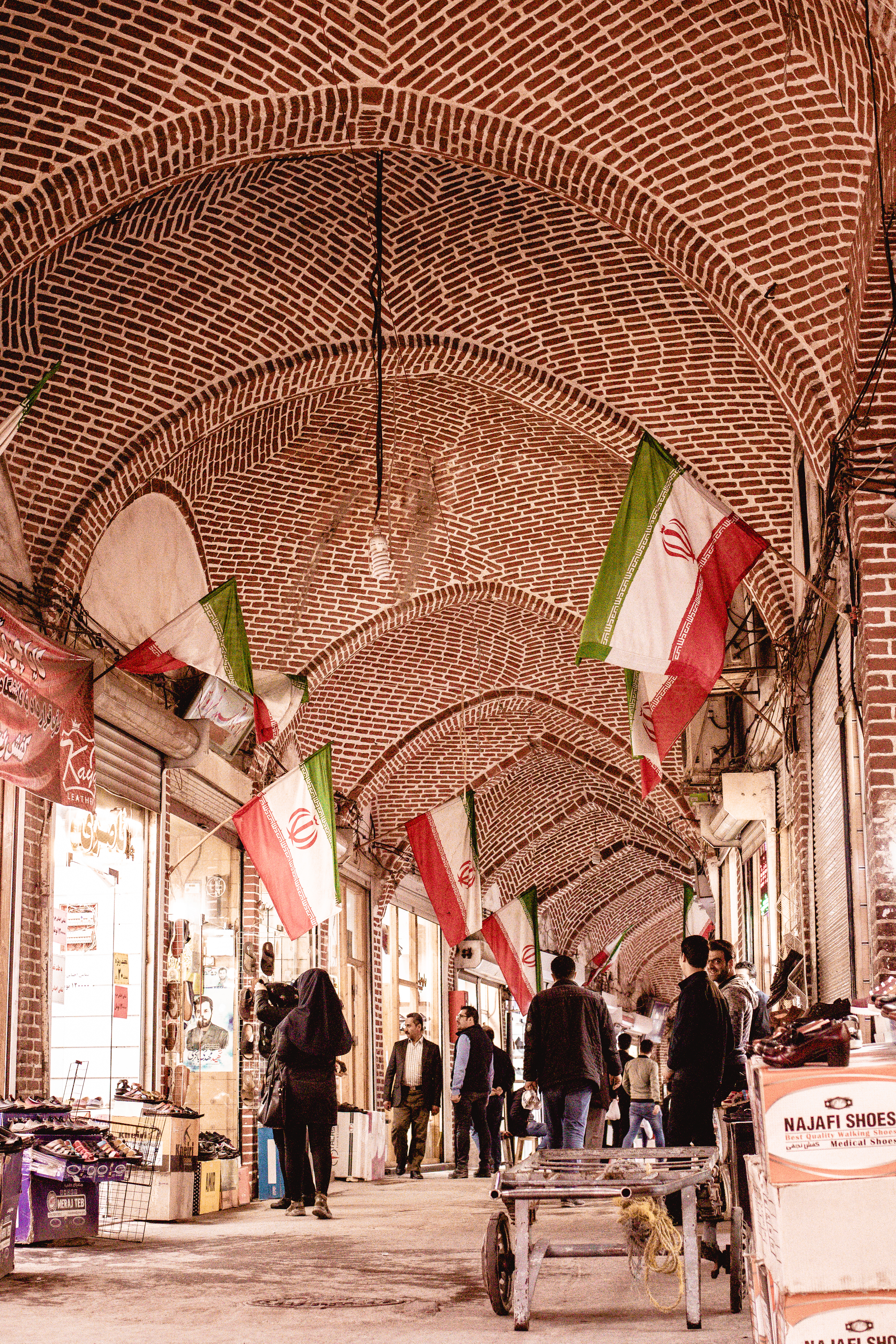
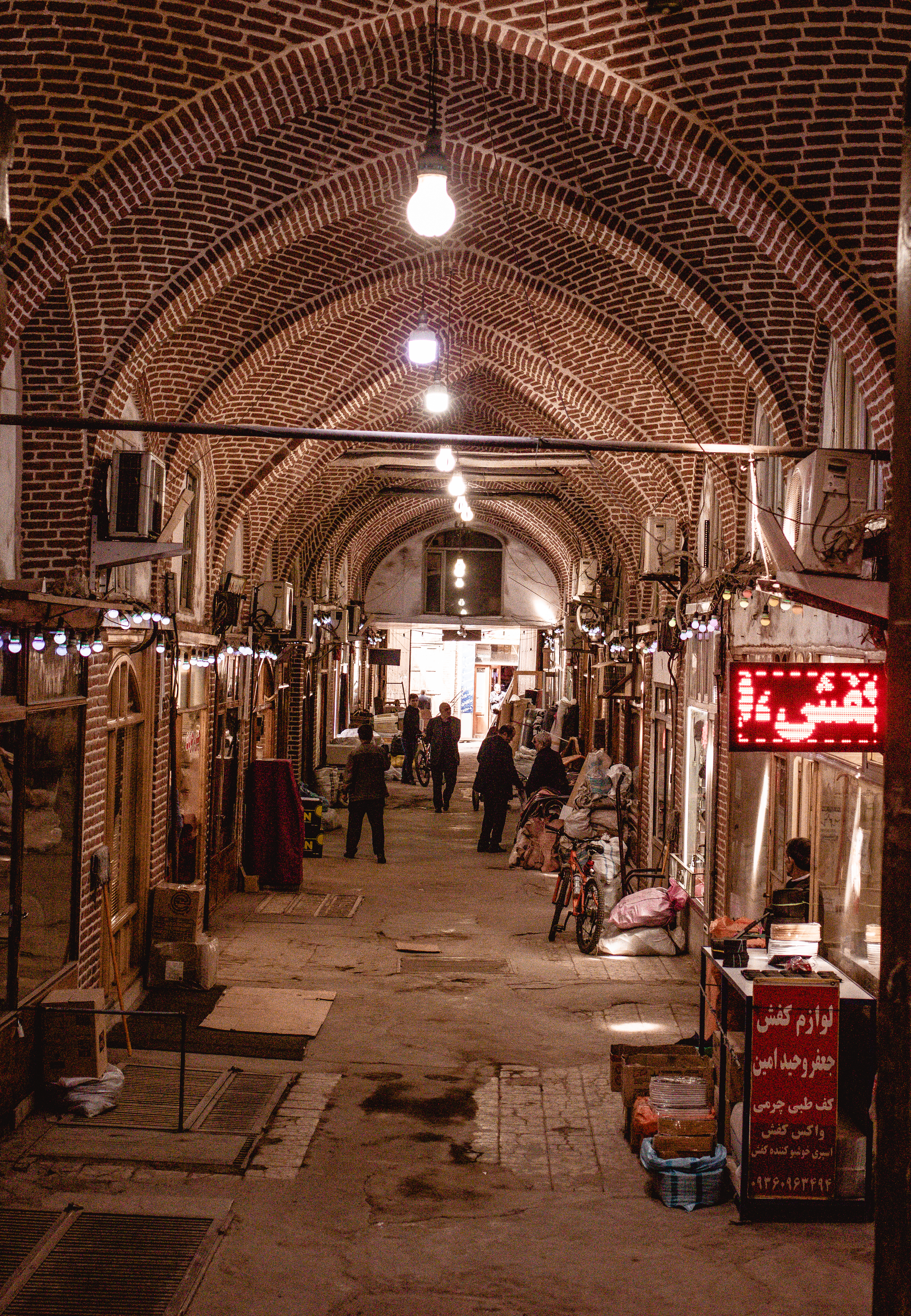
The Bazaar is one of world’s largest such complexes and even though the nature of trade and commerce has changed in the last two centuries, Tabriz’s position as the closest large city to Europe and to Central Asia continues to make this a remarkable place.
We learnt that during the 10 days of Ashura, the trade comes to a standstill and Bazaar is host to various religious events.
Pardon the clique travel-speak but there is a certain change of pace to life when you are in Iran. A lot of it comes from the fact that you cant just pick up your phone and look things up the way we have come to live in the rest of the world. Well, not if you dont know Farsi. There is still a lot of content in Farsi that the locals use and rely on for their lives.
Women in Iran are required to cover their heads but at least in the area in and around Tabriz, the way the women carry these coverings is an art form in itself. You can certainly pack a lot of personal expression in how and what you wear on your head, specially when it isnt always out of your own choice. And women are WAY MORE present in the public spaces. Their contribution in the workforce is much higher than the neighbouring countries and they can be seen driving in far greater numbers than you’d imagine.
You can stand on the side of any road, lift your hand and a passing car would stop. Ask where you want to go and if it works for them, you’ll be offered to ride with them. Once there, you can pay a small amount to contribute towards their fuel. If you are not sure, ask them how much they’d like to have. If you are a visitor, specially from Europe / North America or other well off countries, do not haggle with them.
You see, the sanctions and the resulting hyperinflation means an average Iranian family is struggling to survive, even with every adult in the household working. Sometimes multiple jobs.
On my previous visit, one such driver overheard us talking in English and started chatting. It turns out, he was a process engineer at the customer’s plant that we were going to visit the next day. Now, in most countries, even outside of Western Europe and North America, a process engineer at a factory is one of the best paid jobs. Here in Iran, with his multiple degrees, years of experience he still had to drive his early 90s model Peugeot sedan around in the evenings.
Our first full day in Tabriz, we spent most of it walking around these landmarks at a leisurely pace as it best suited Hira.
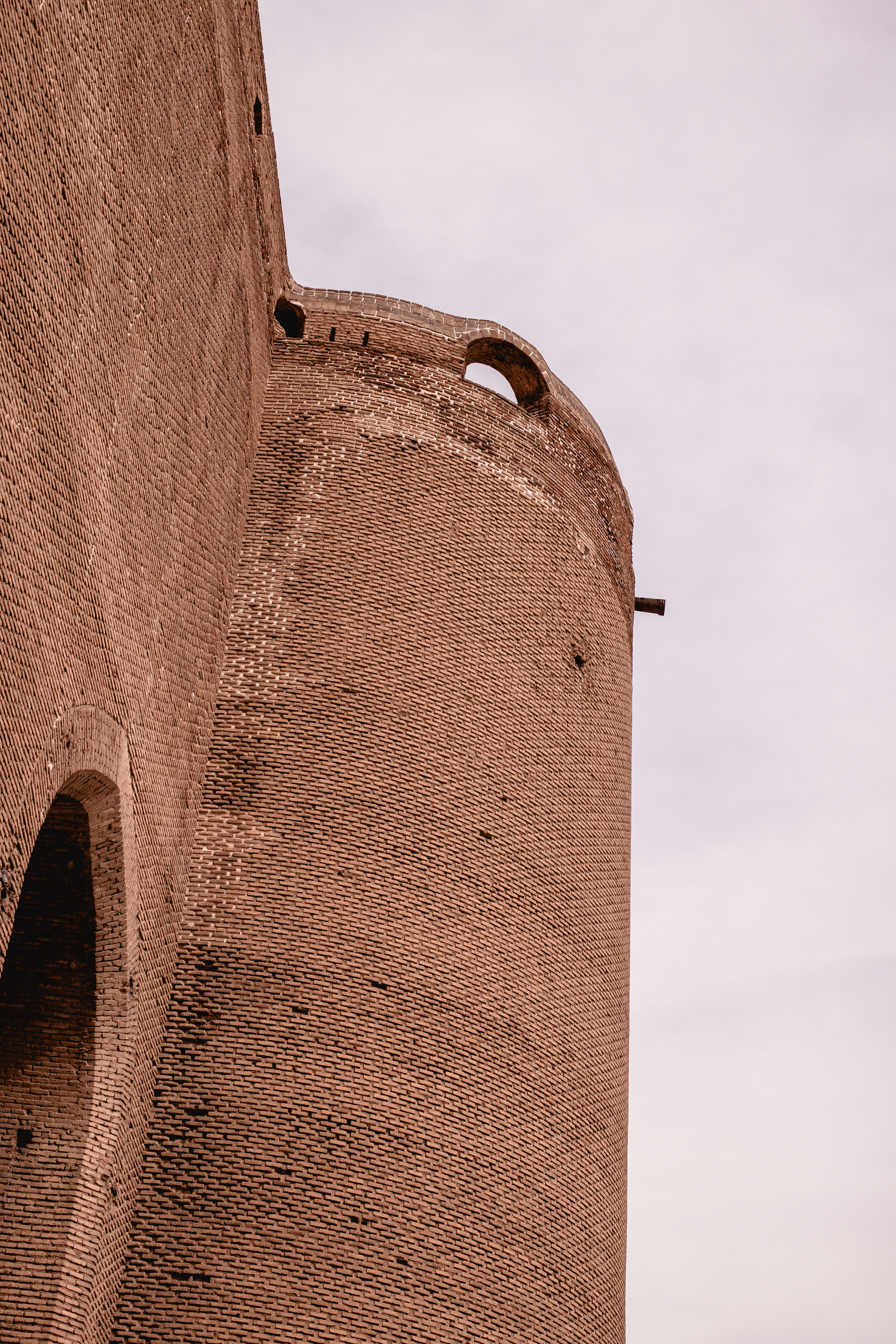
An important historical landmark is the ‘Arch of Tabriz’ (Arg-e-Tabriz). Little remains of the original early 14th century monument that included a citadel, mosque, military barracks… a grand design indeed but somehow never got to see the completion. The parts that were completed and used for various purposes saw destruction and neglect over the centuries diminish it even more.
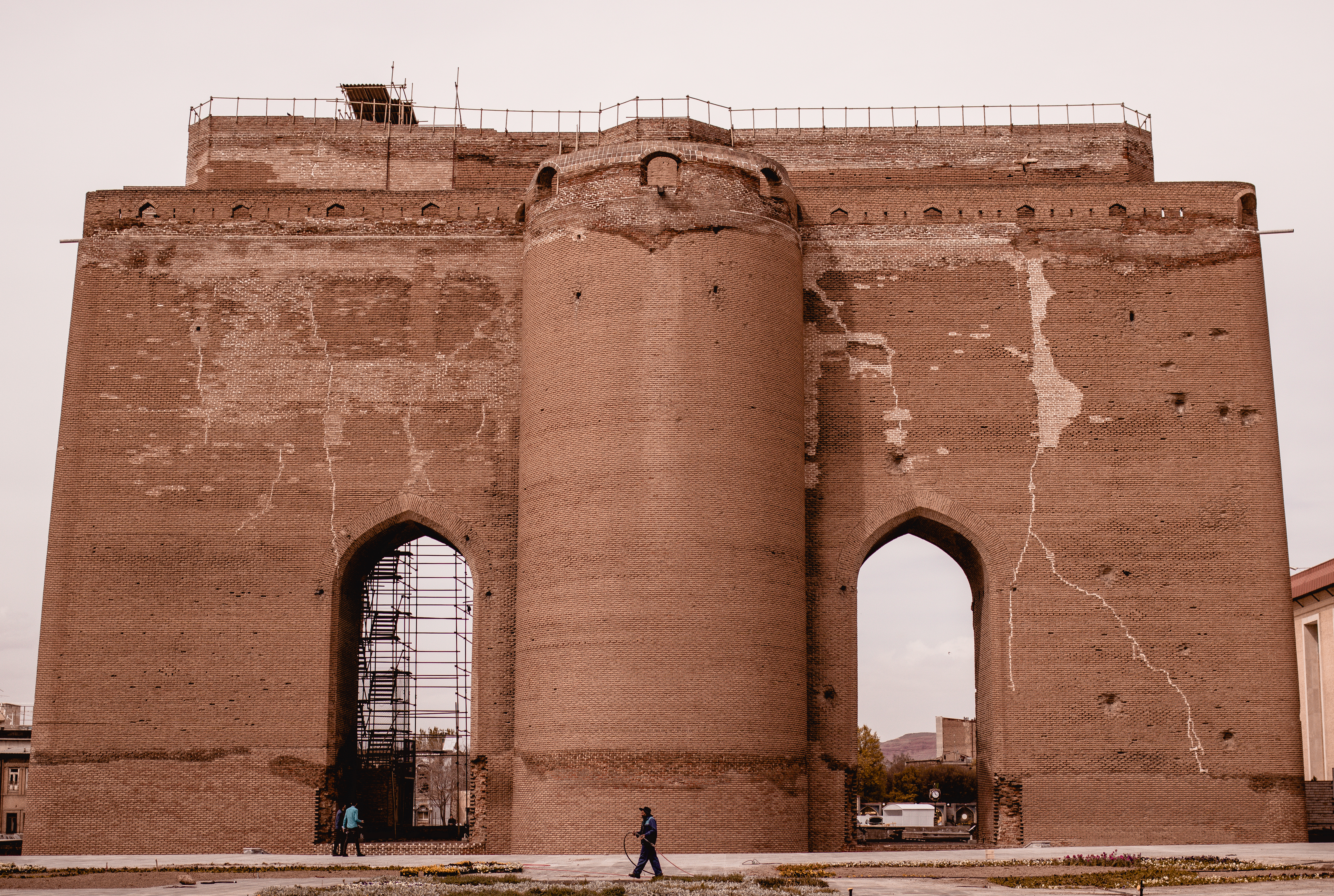
Grand Designs circa 1300s 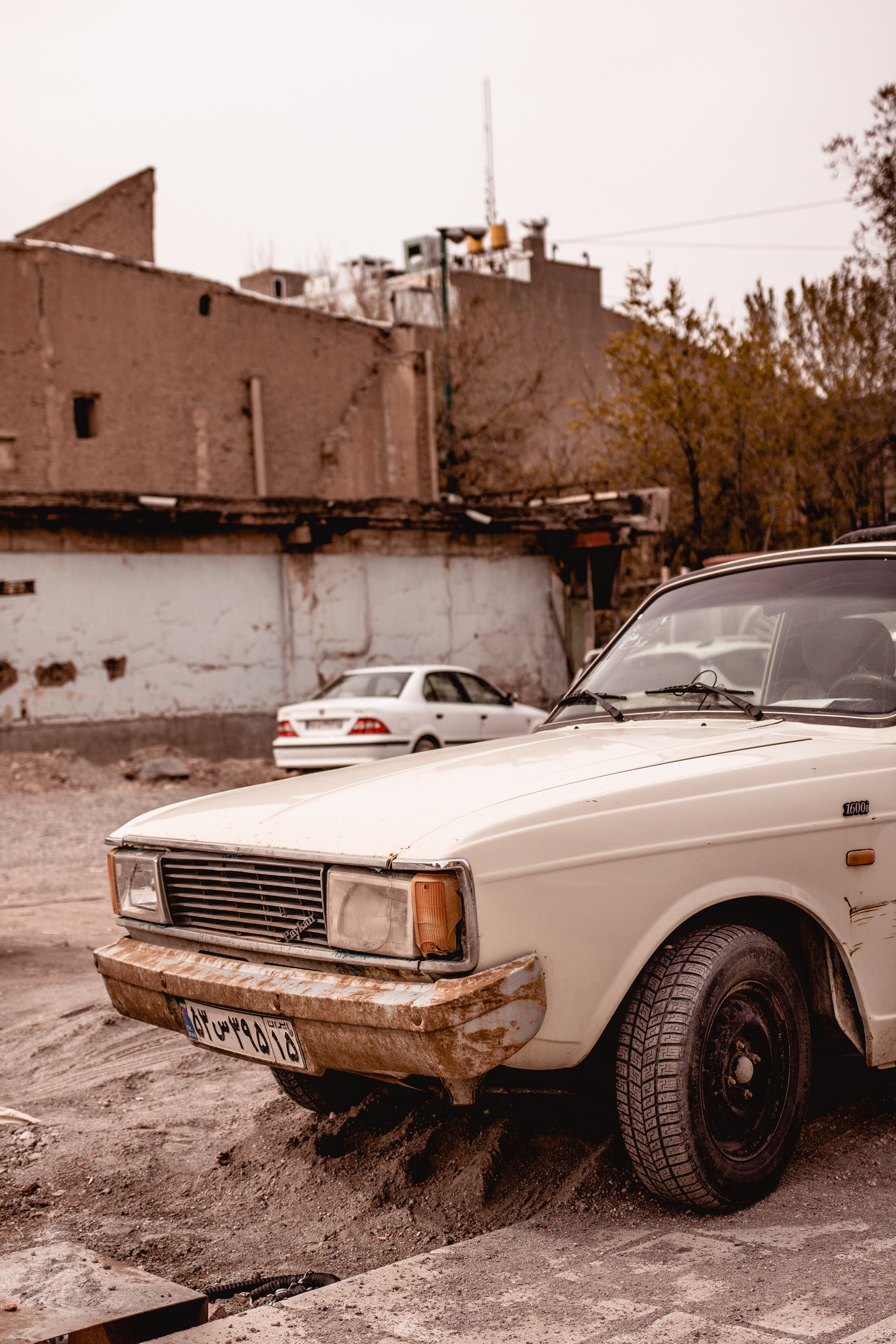
Dont mean to exagerate but this is the state of an average car on Iran’s roads. 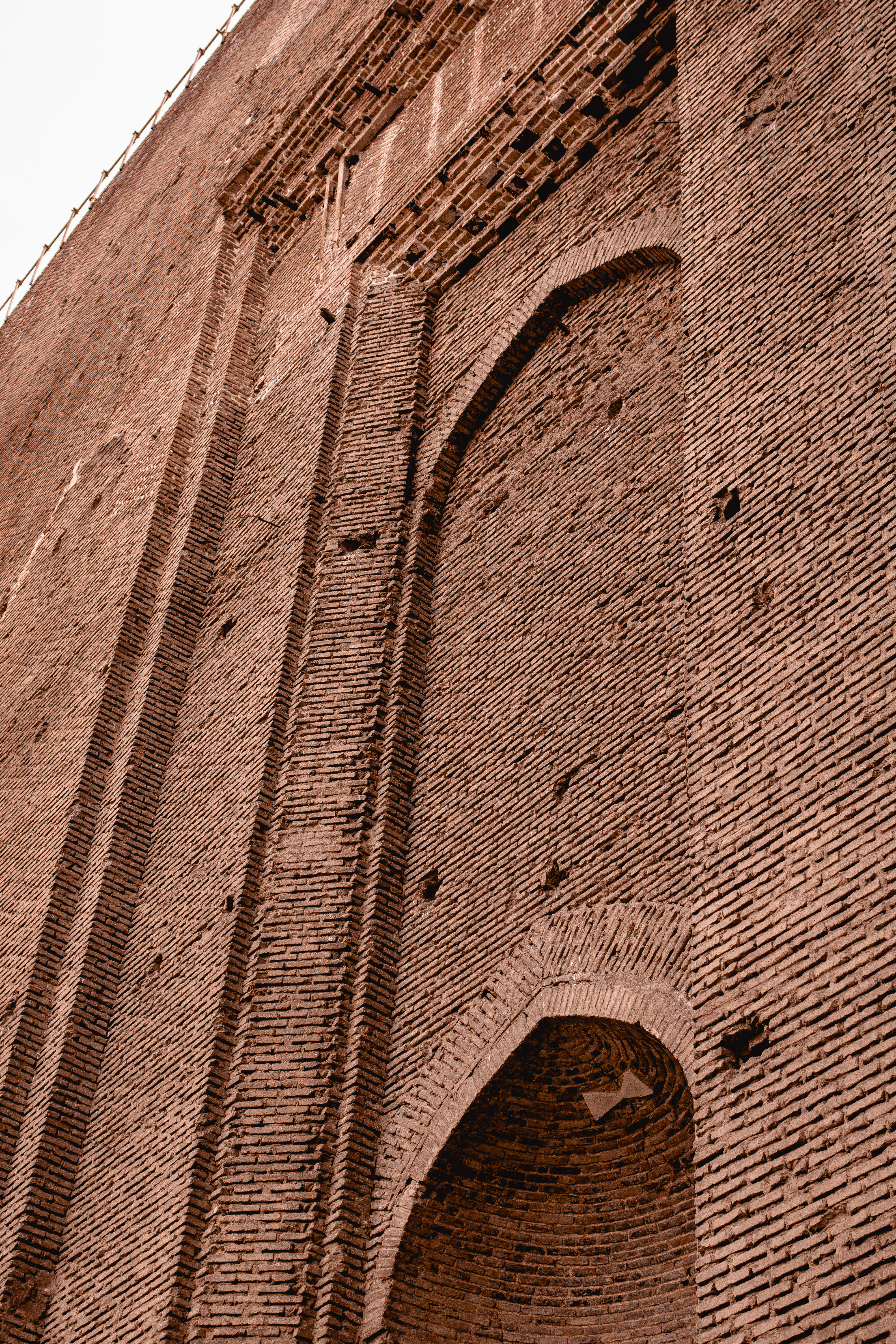
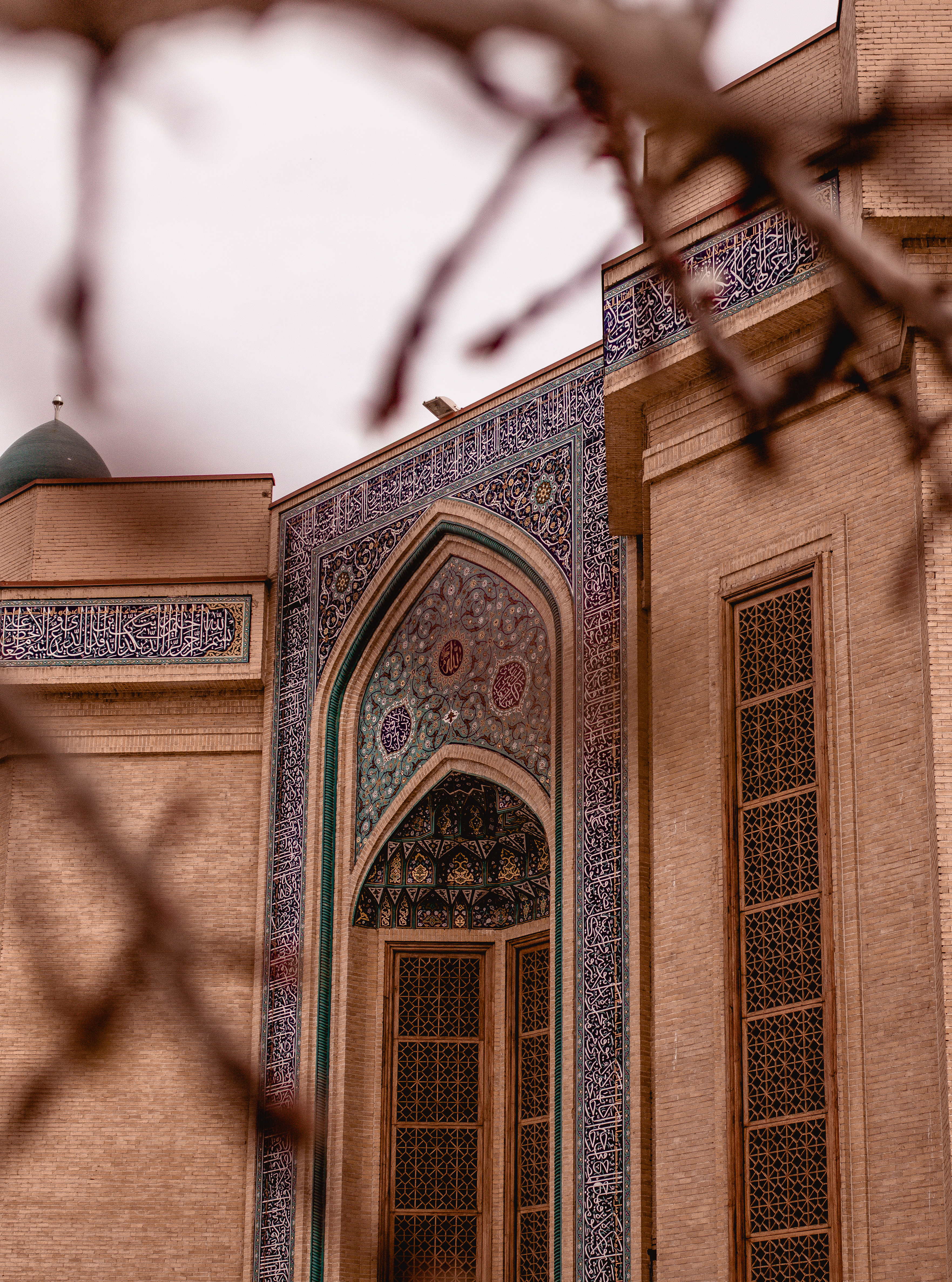
The brand new Imam Khomeini institute is being built a bit too close to the historical buildings. 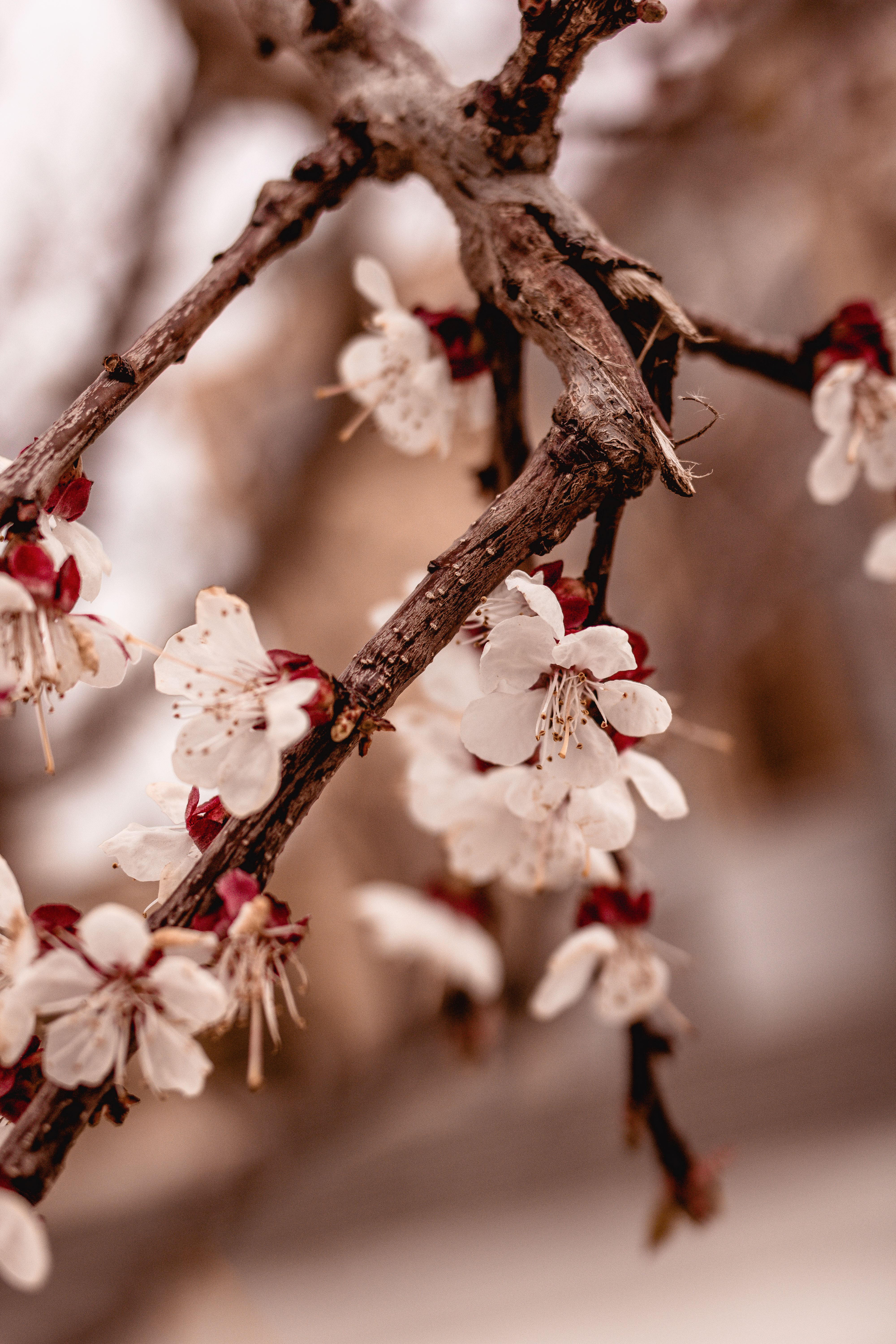
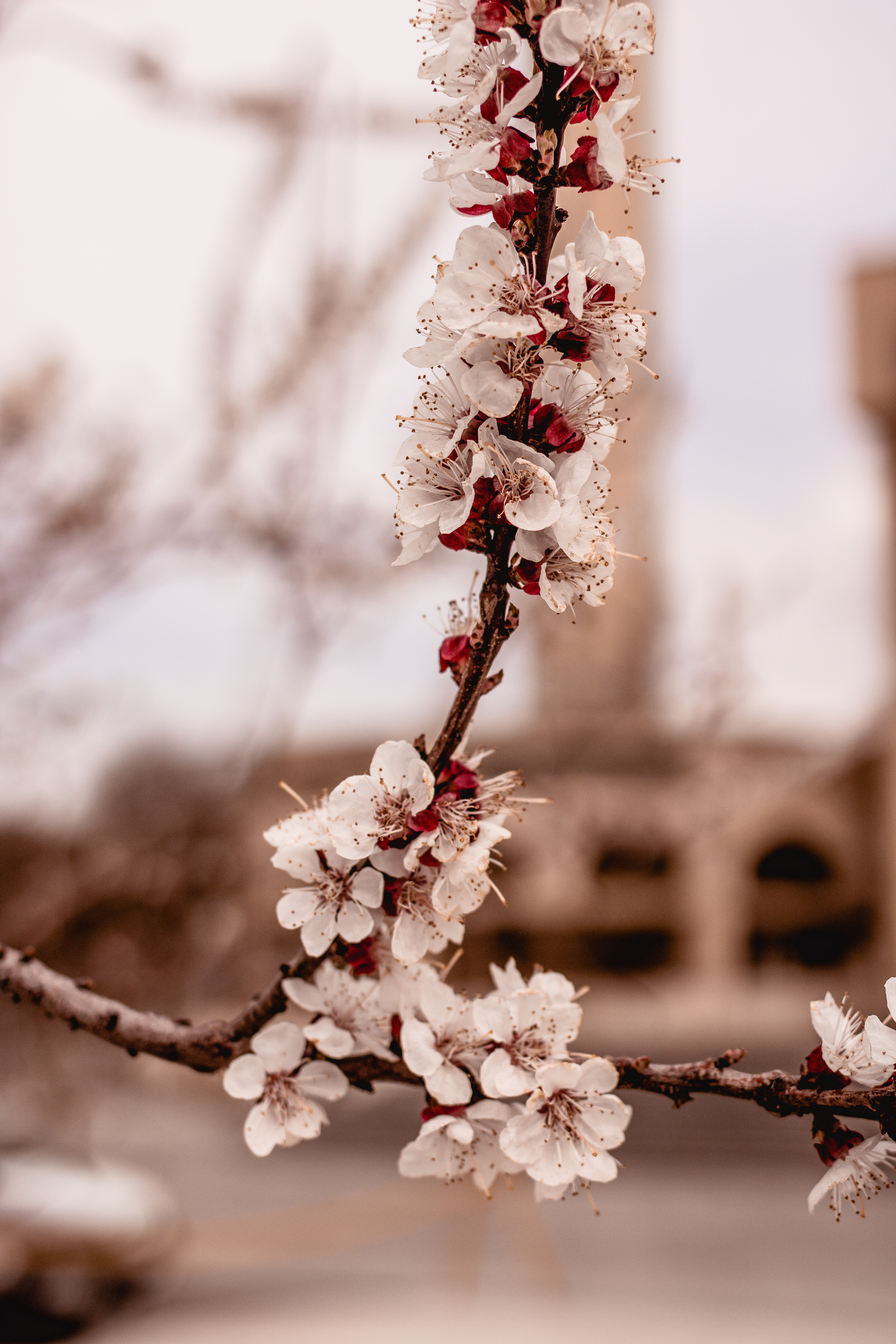
Spring. 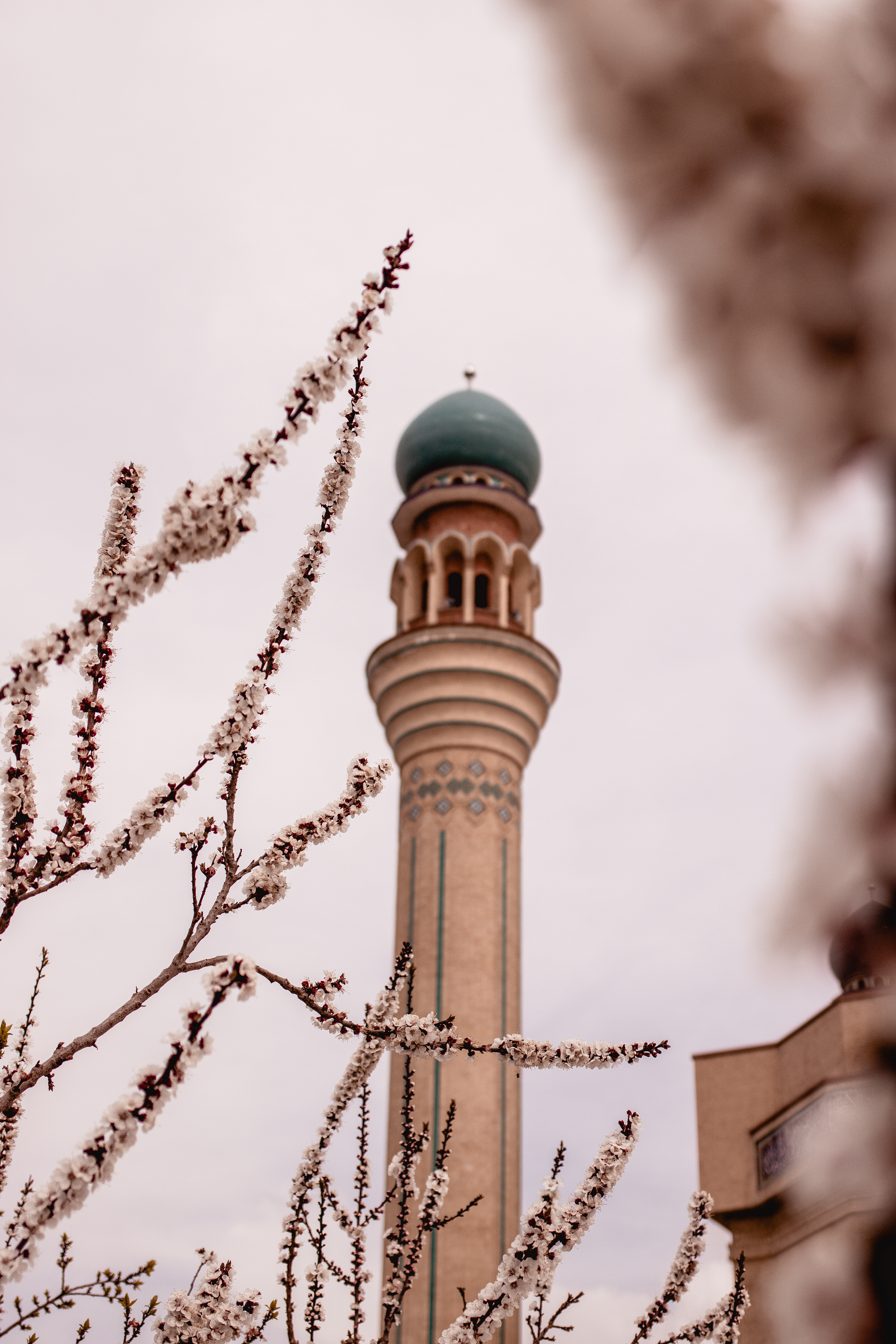
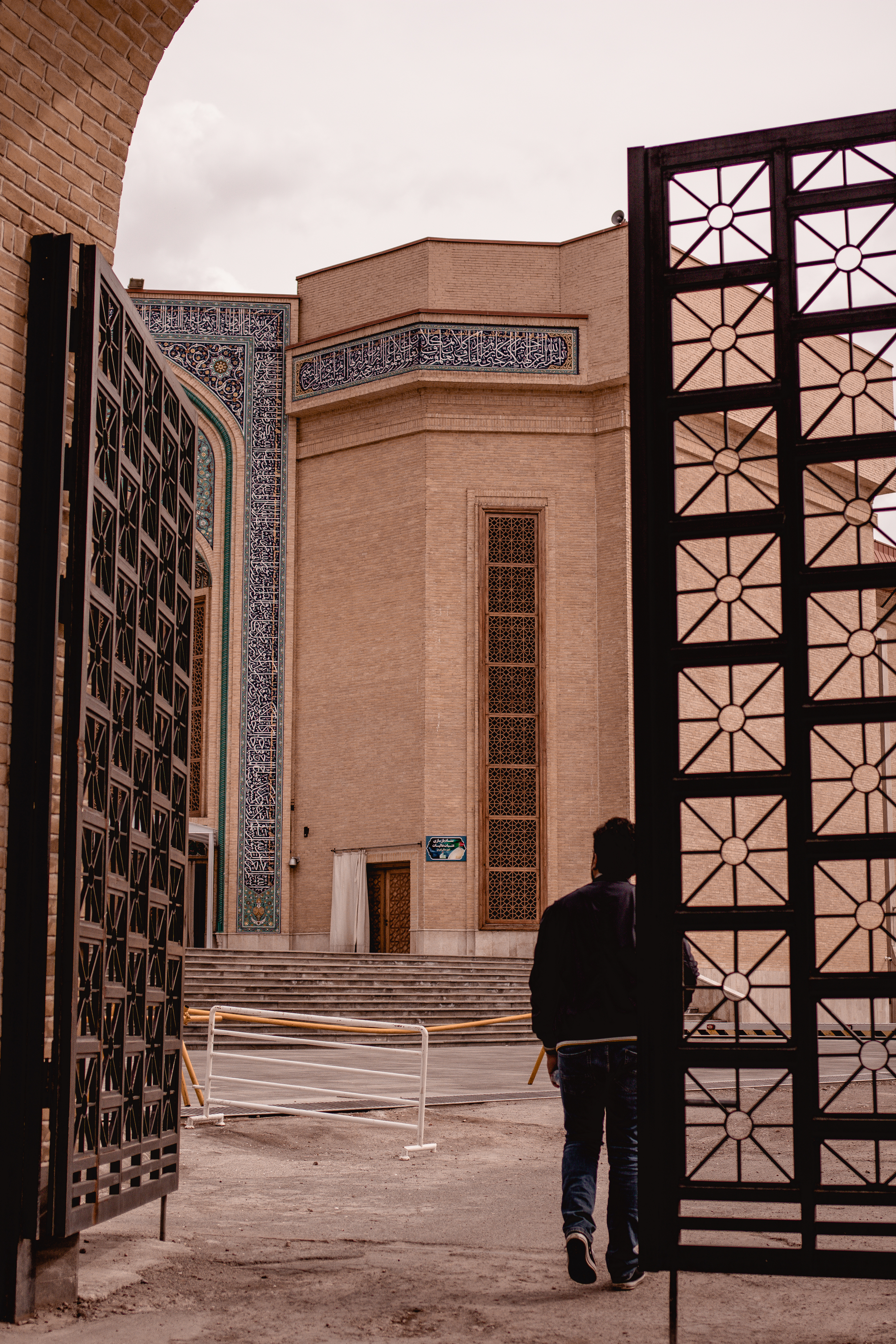
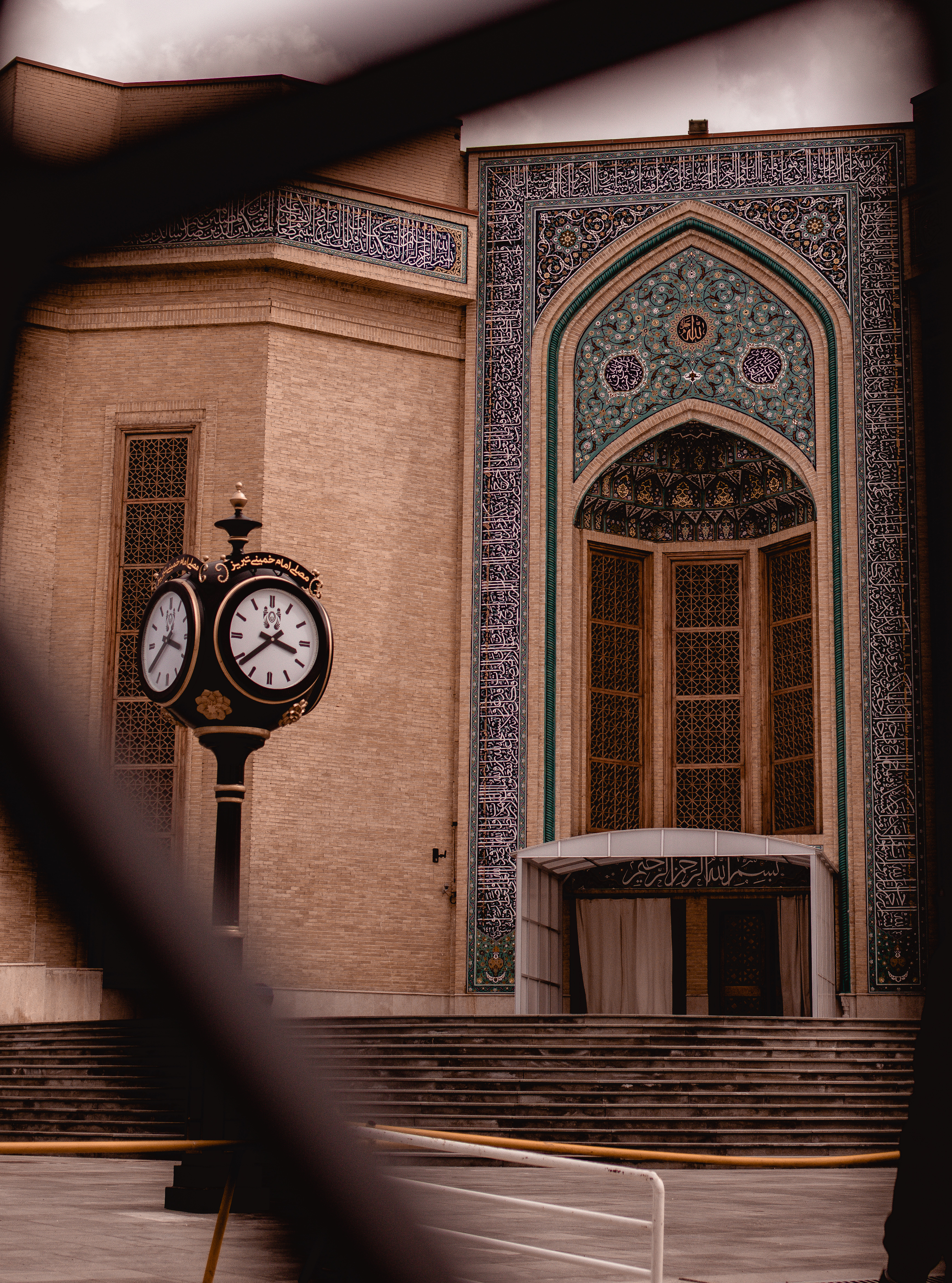
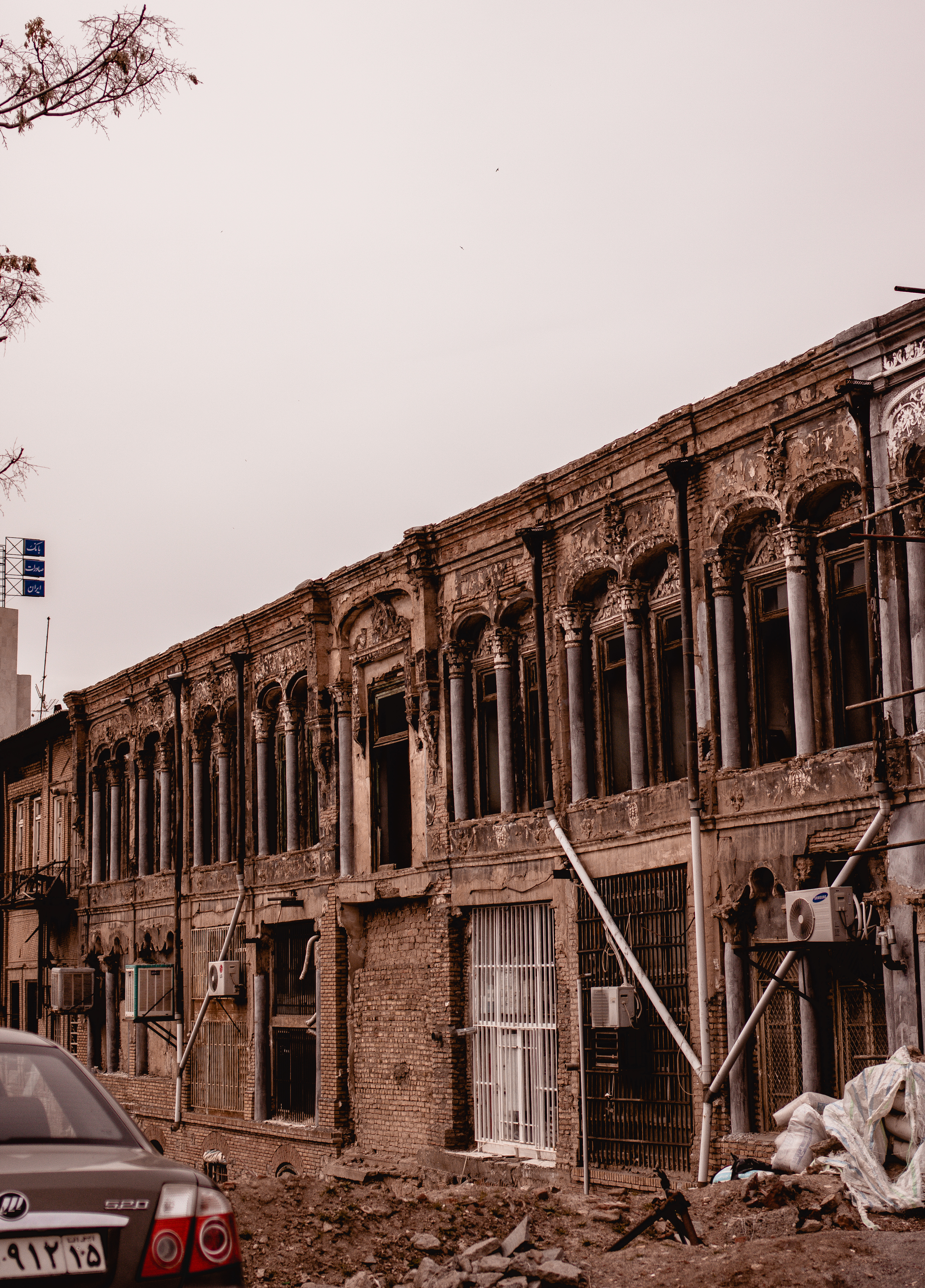
Must have been a splendid residence in it’s time.
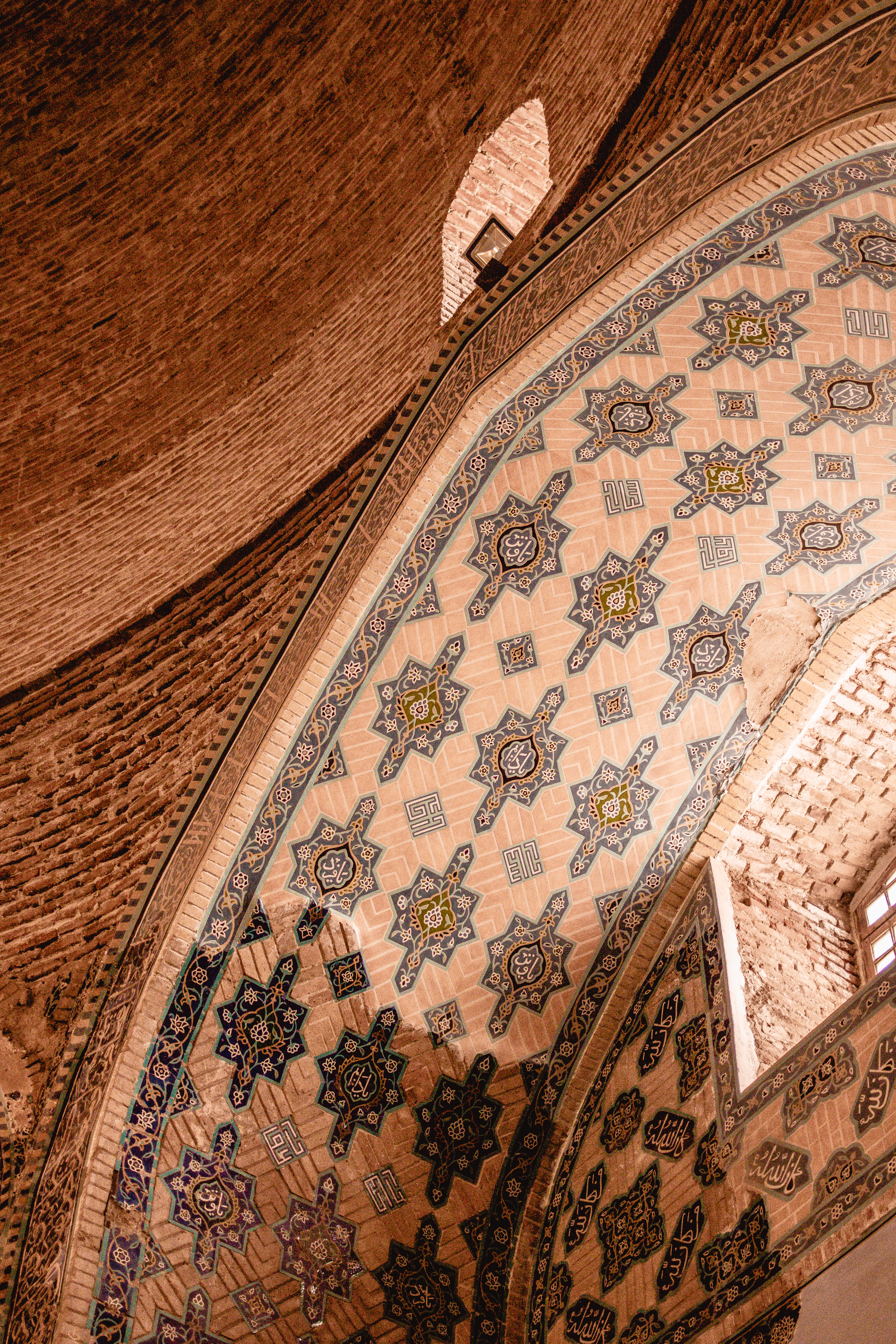
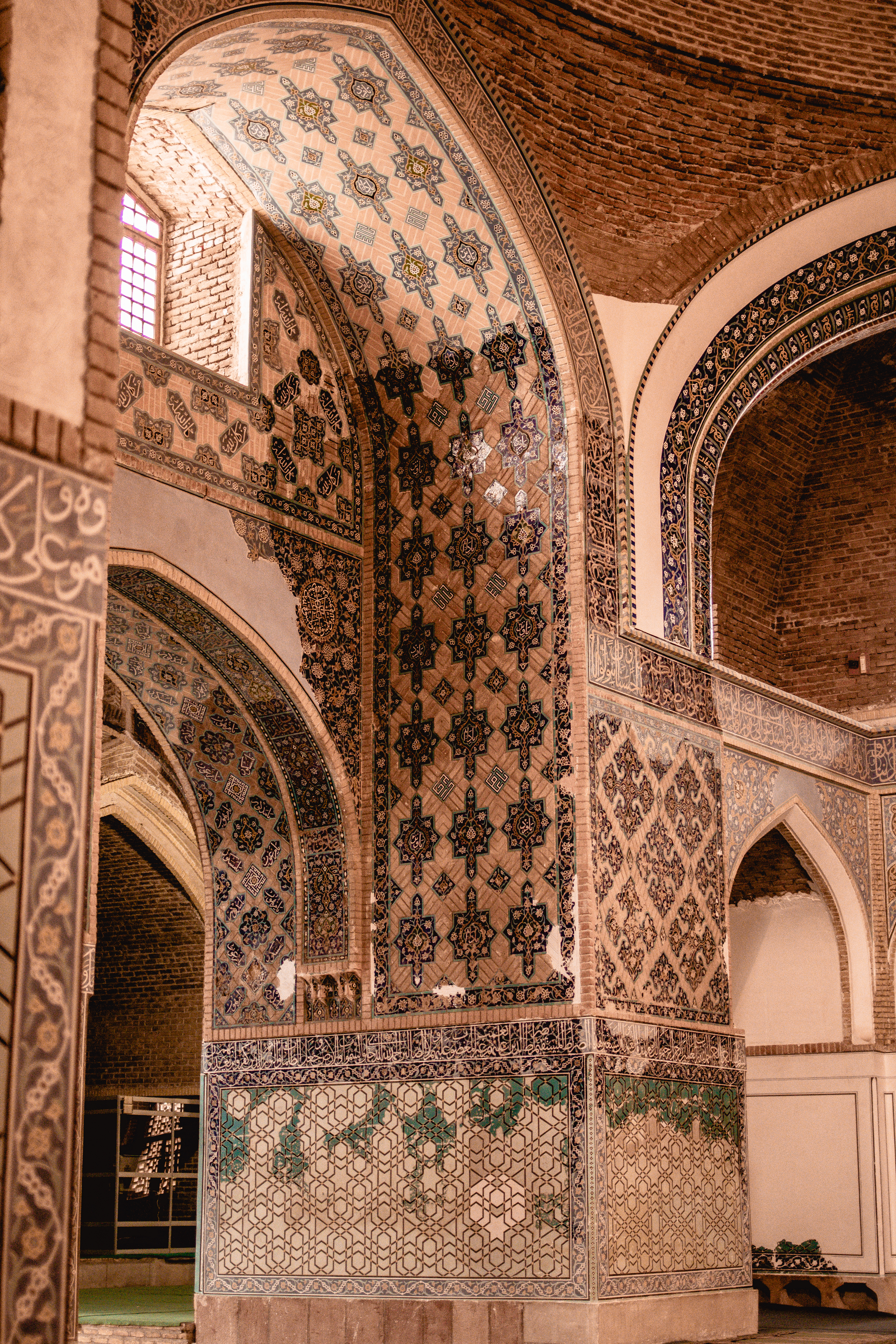
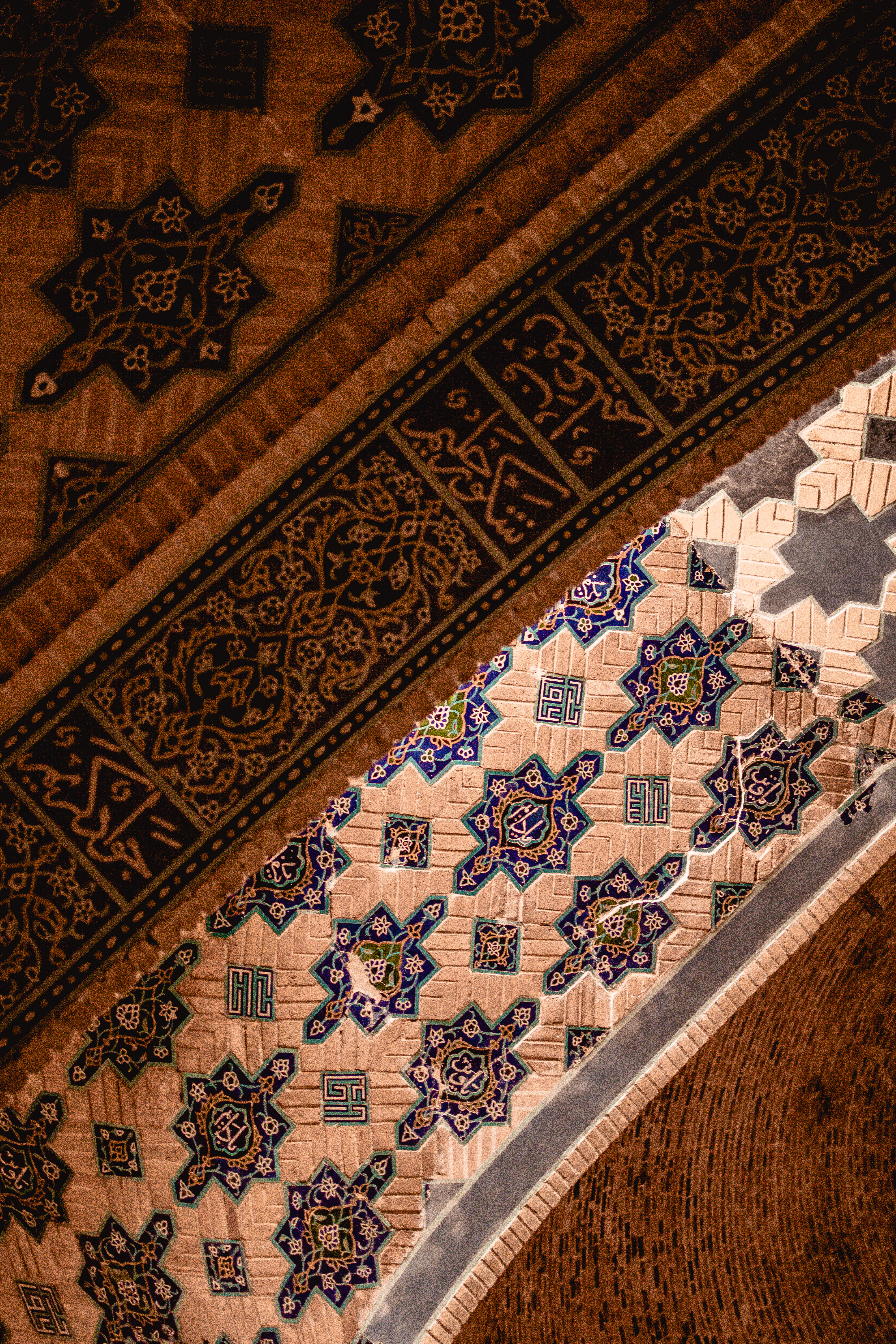
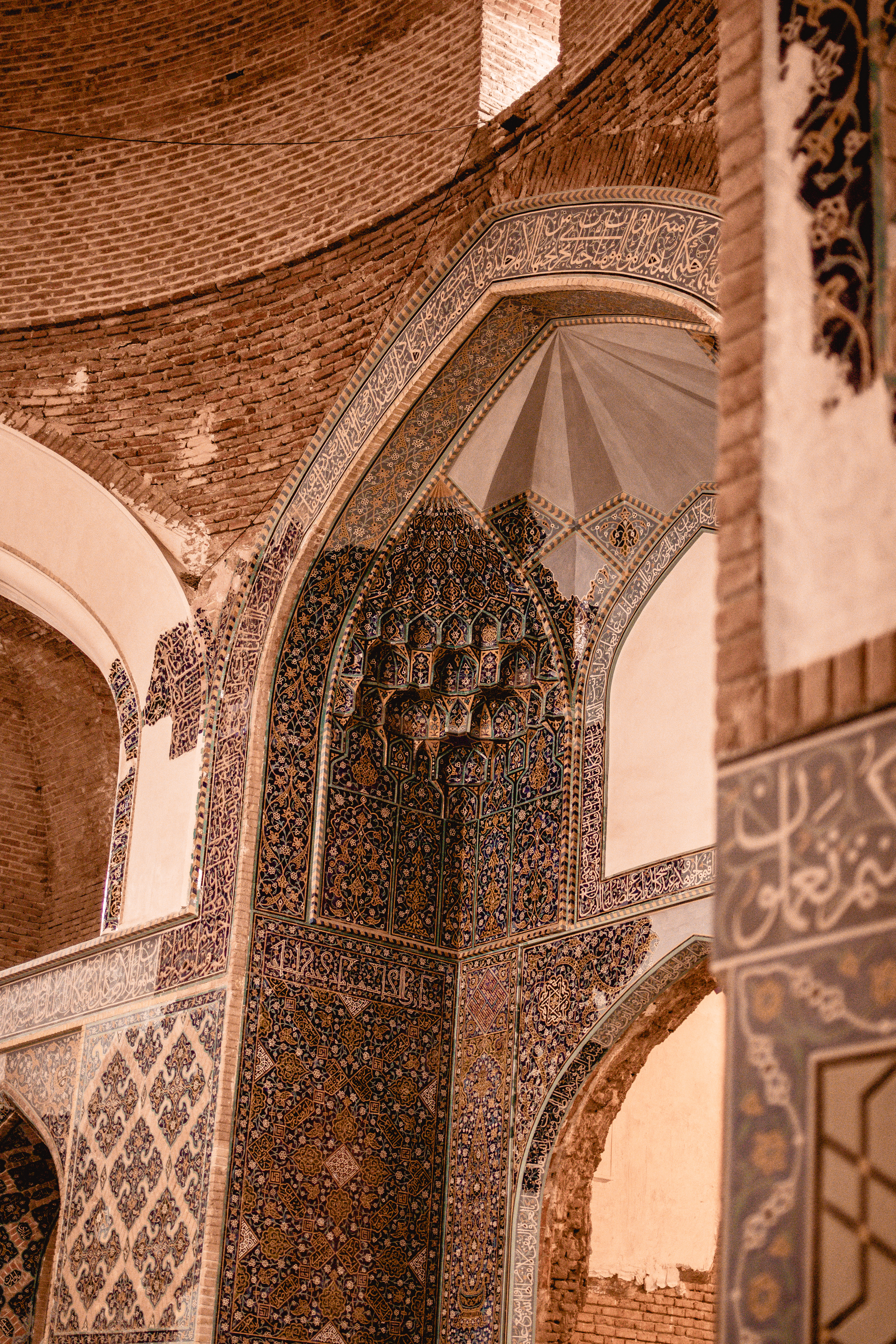
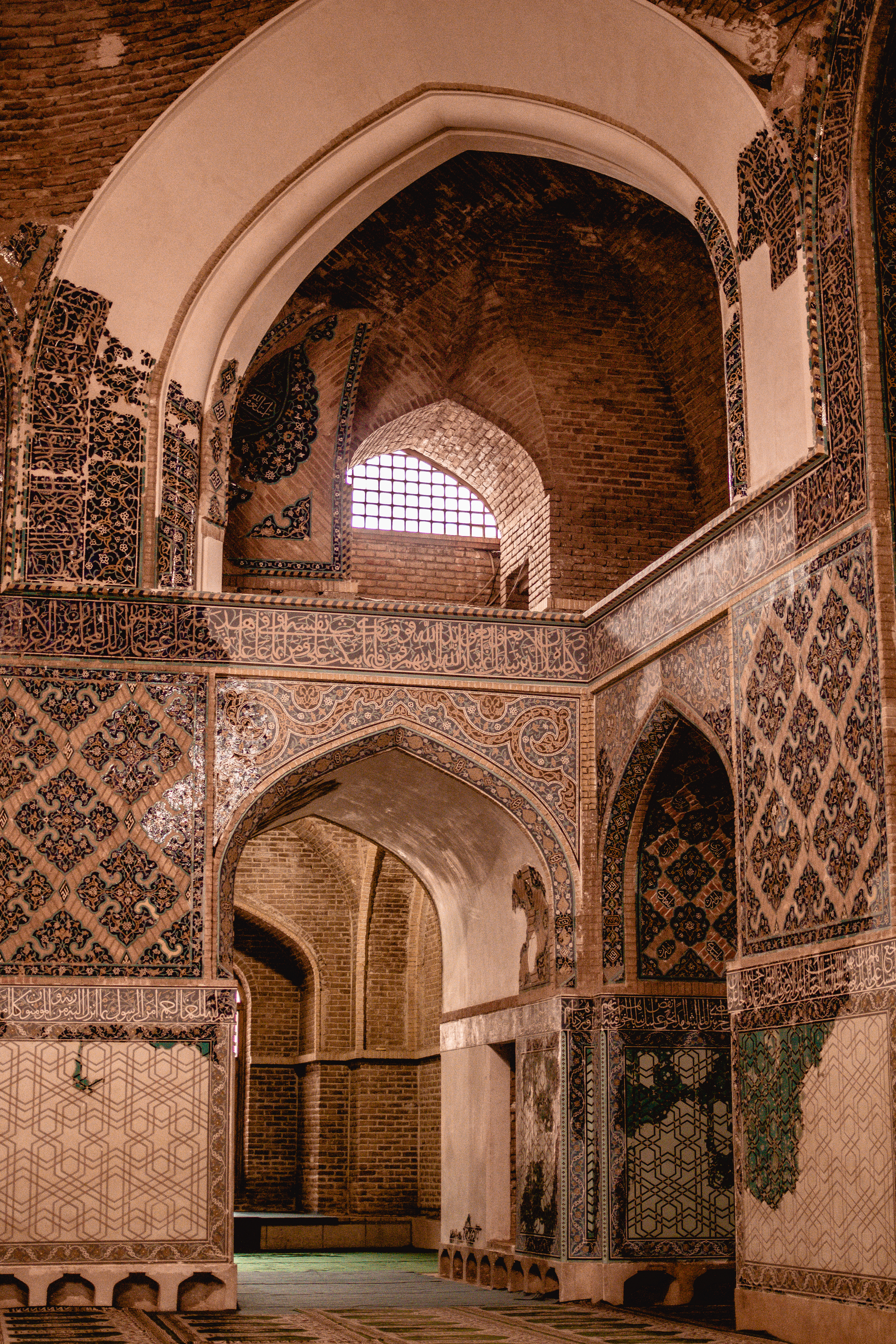
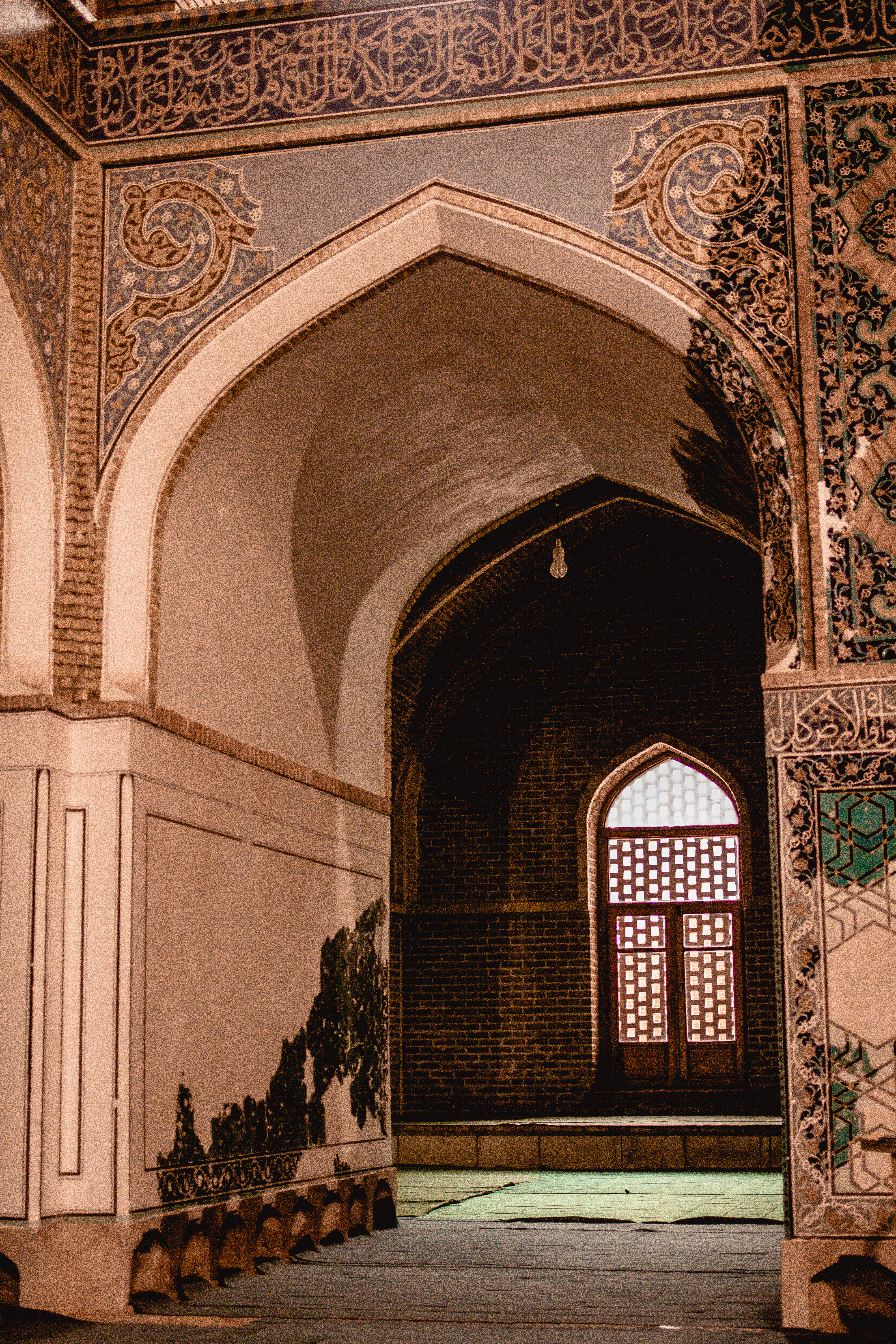
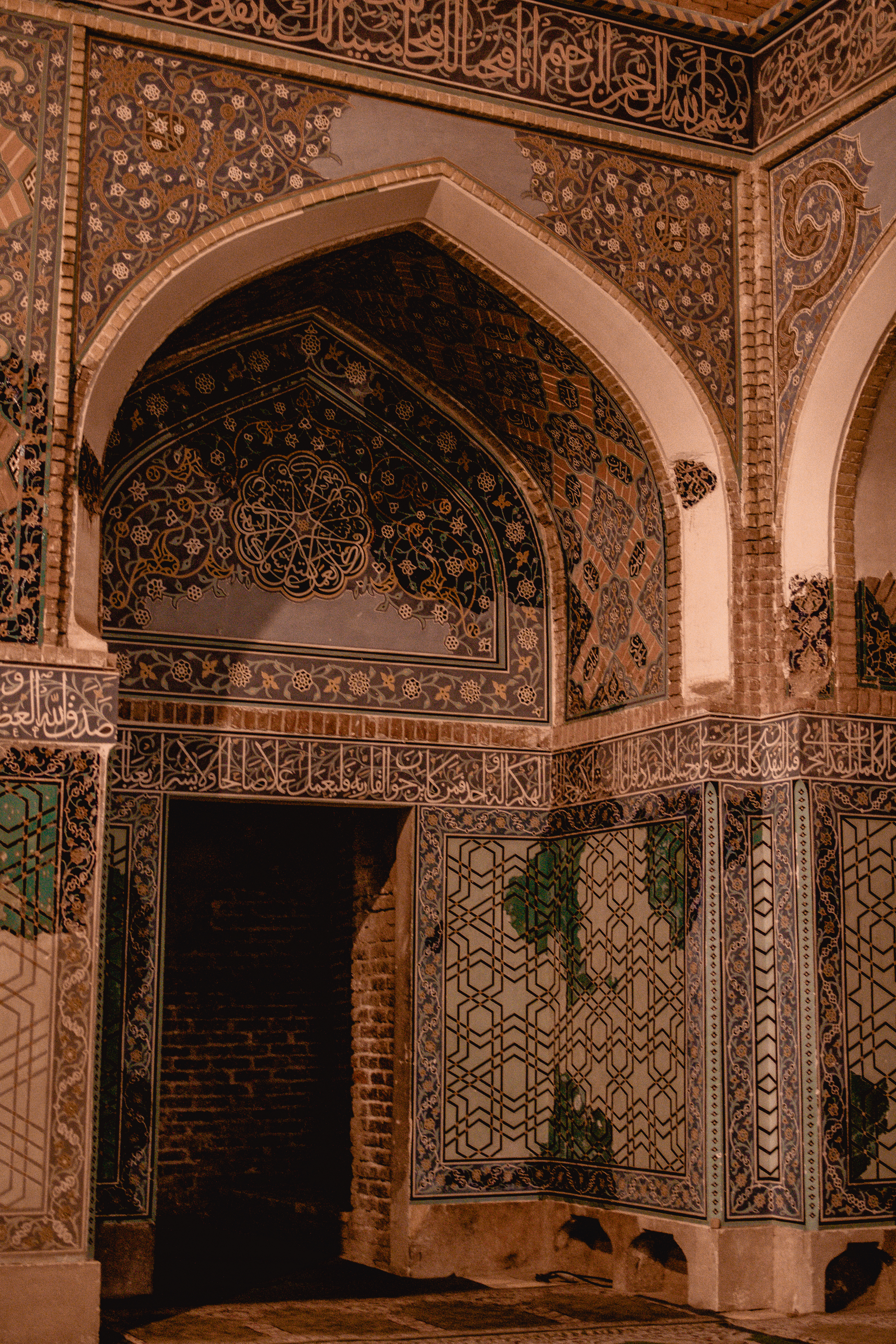
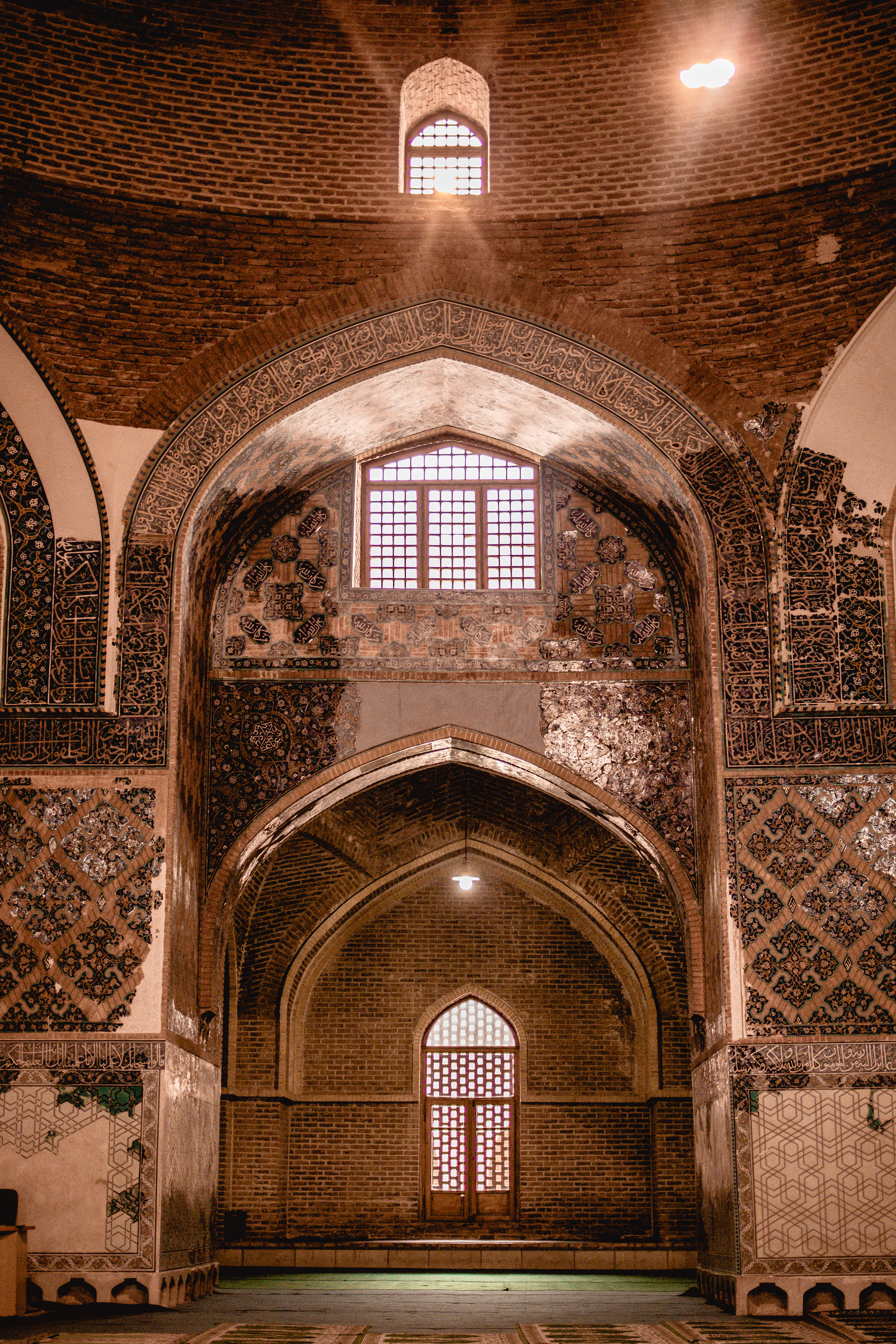
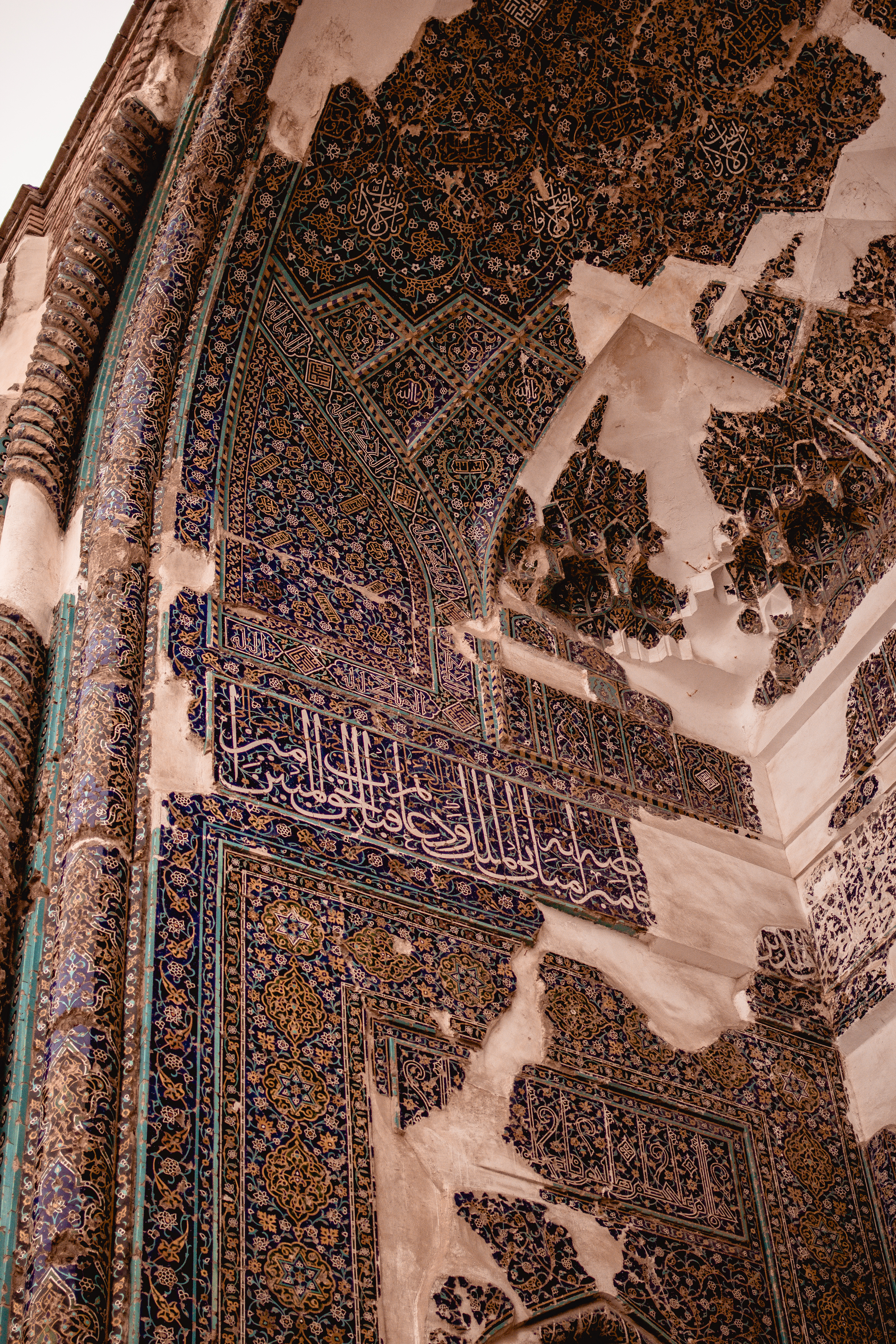
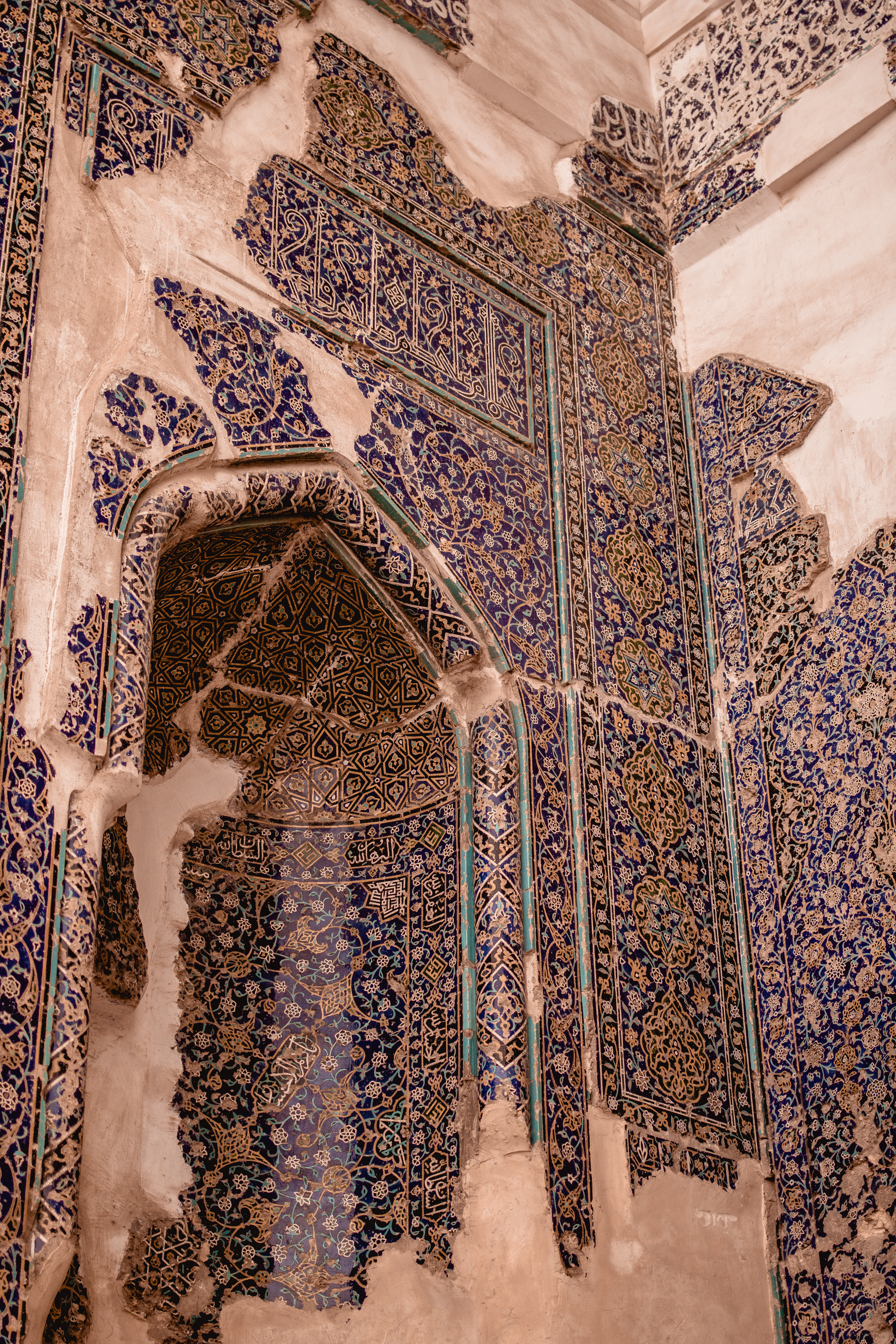
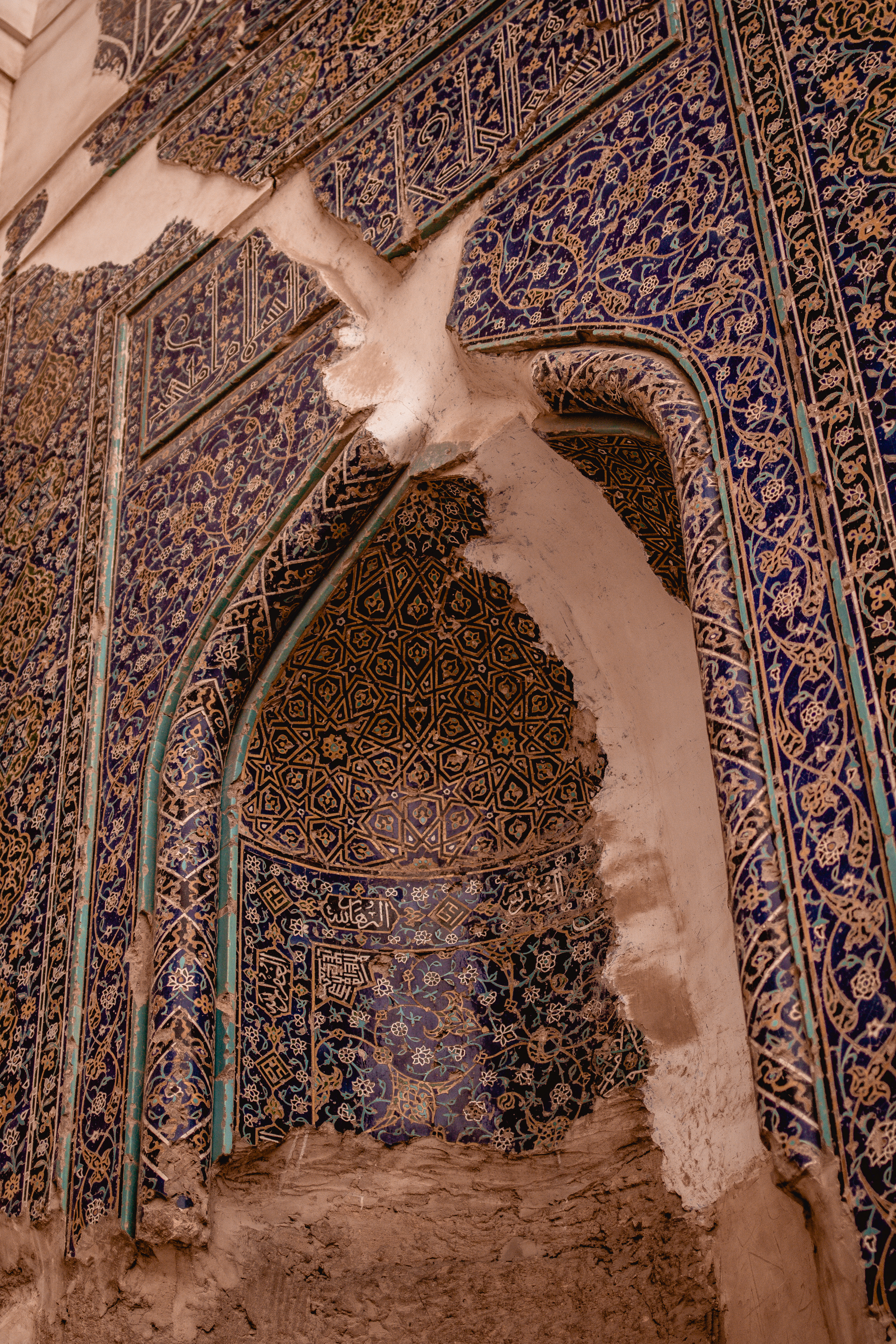
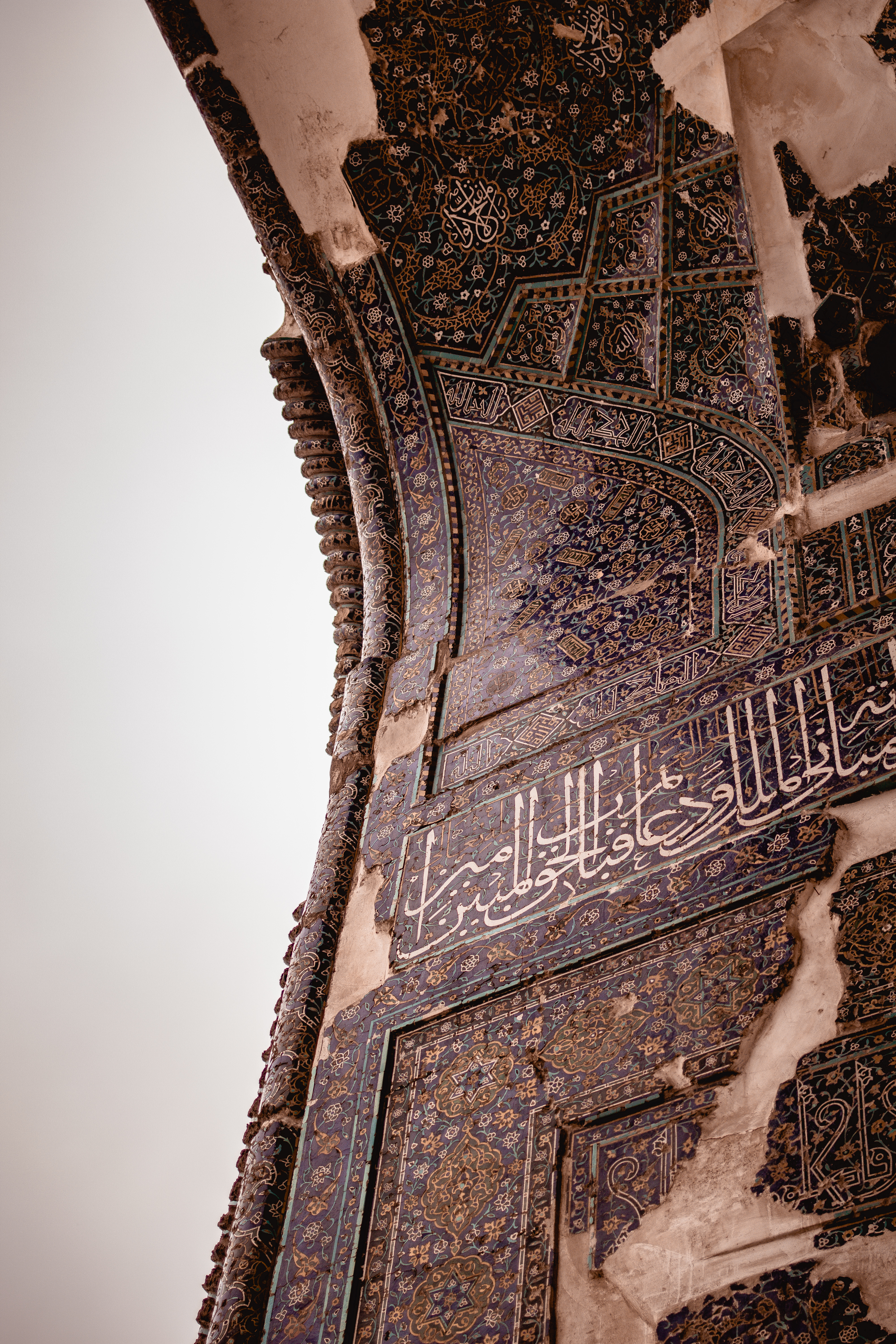
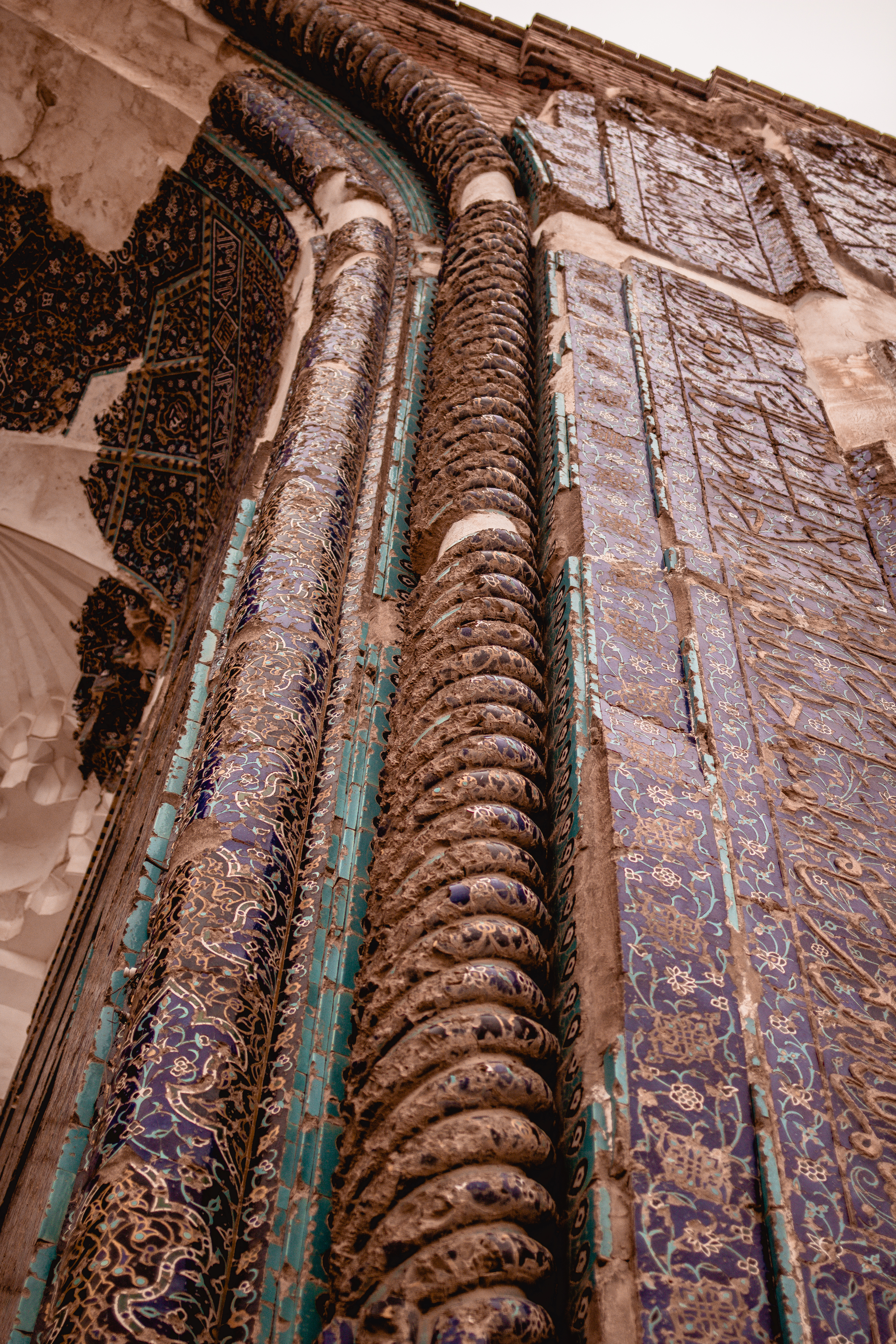
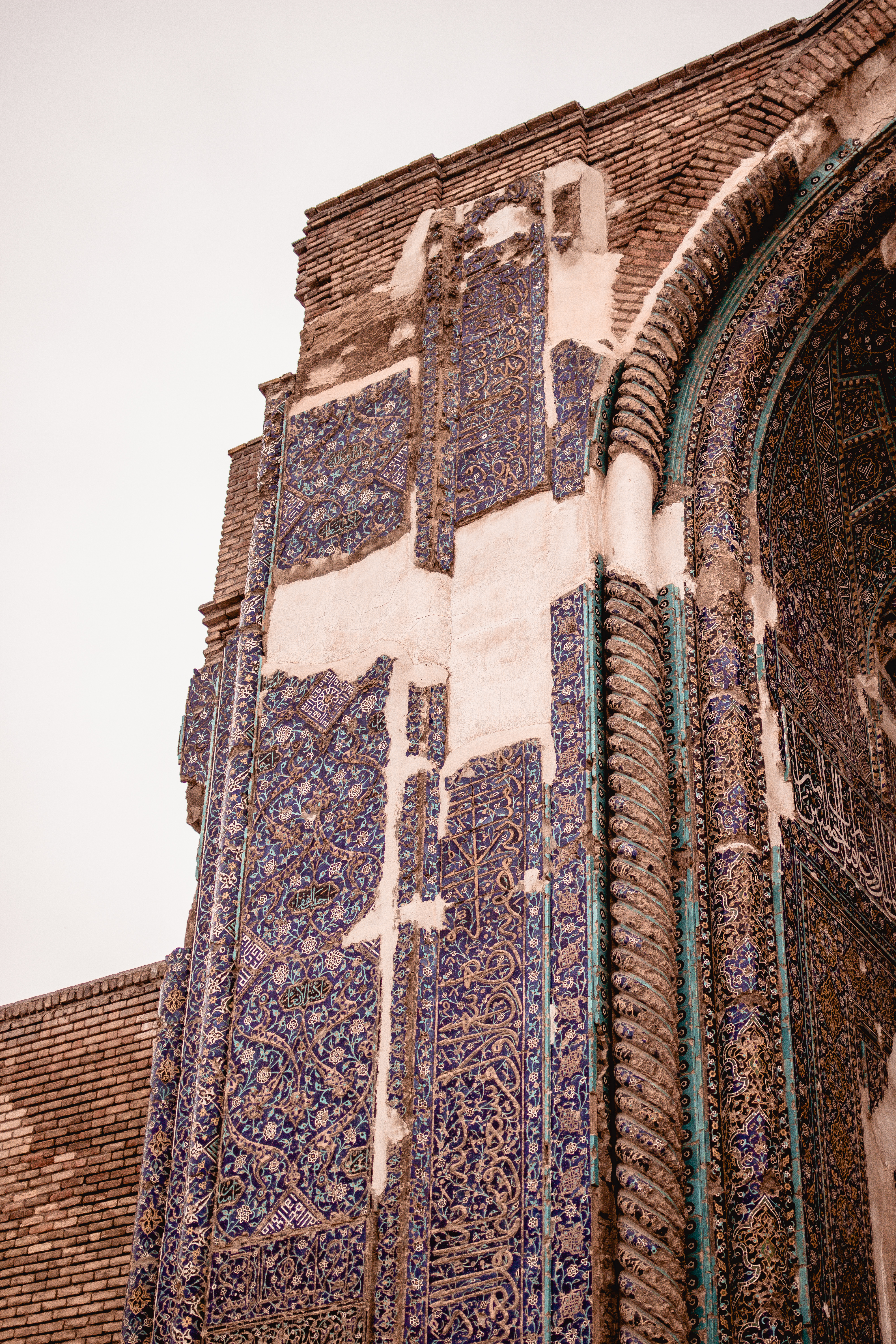
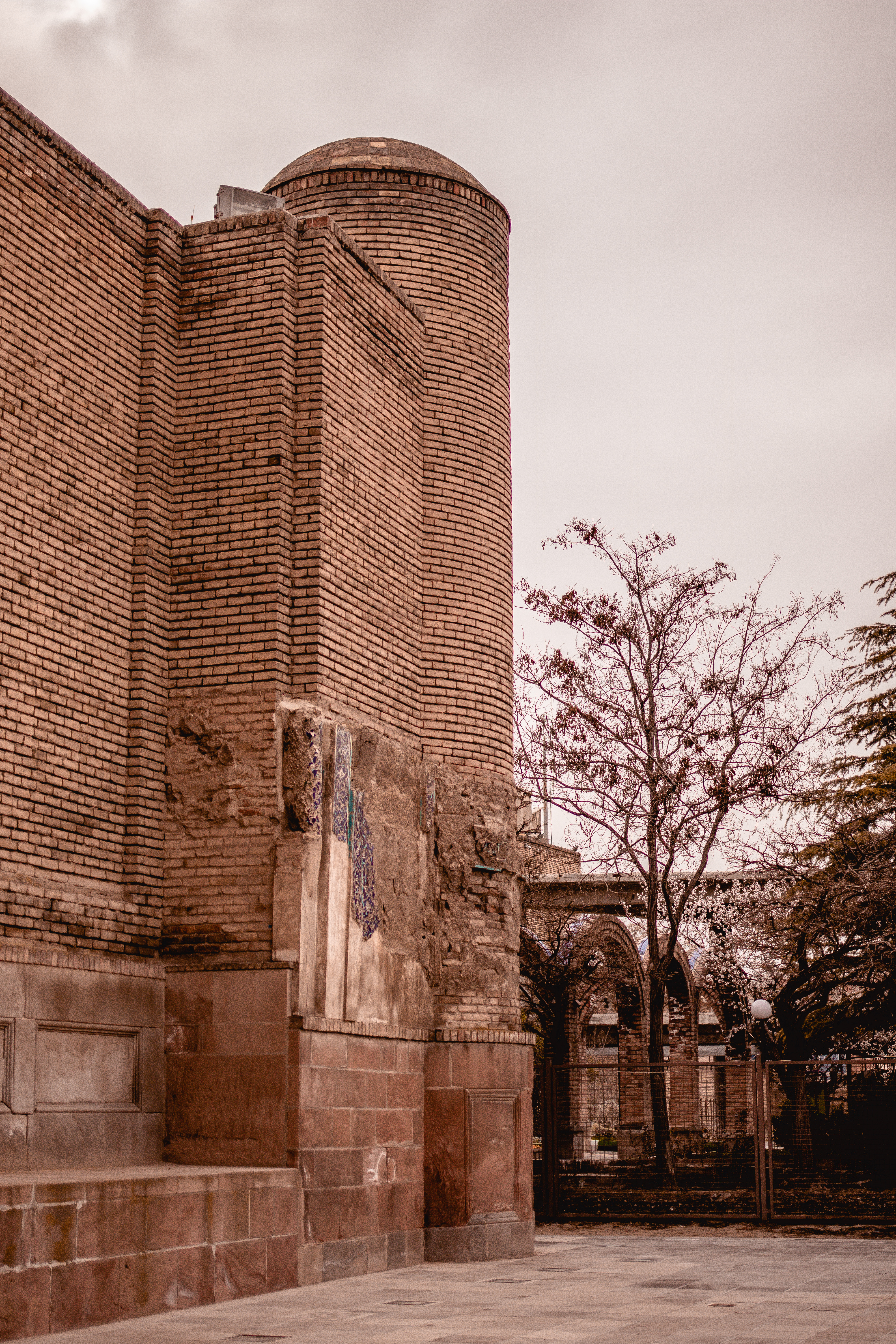
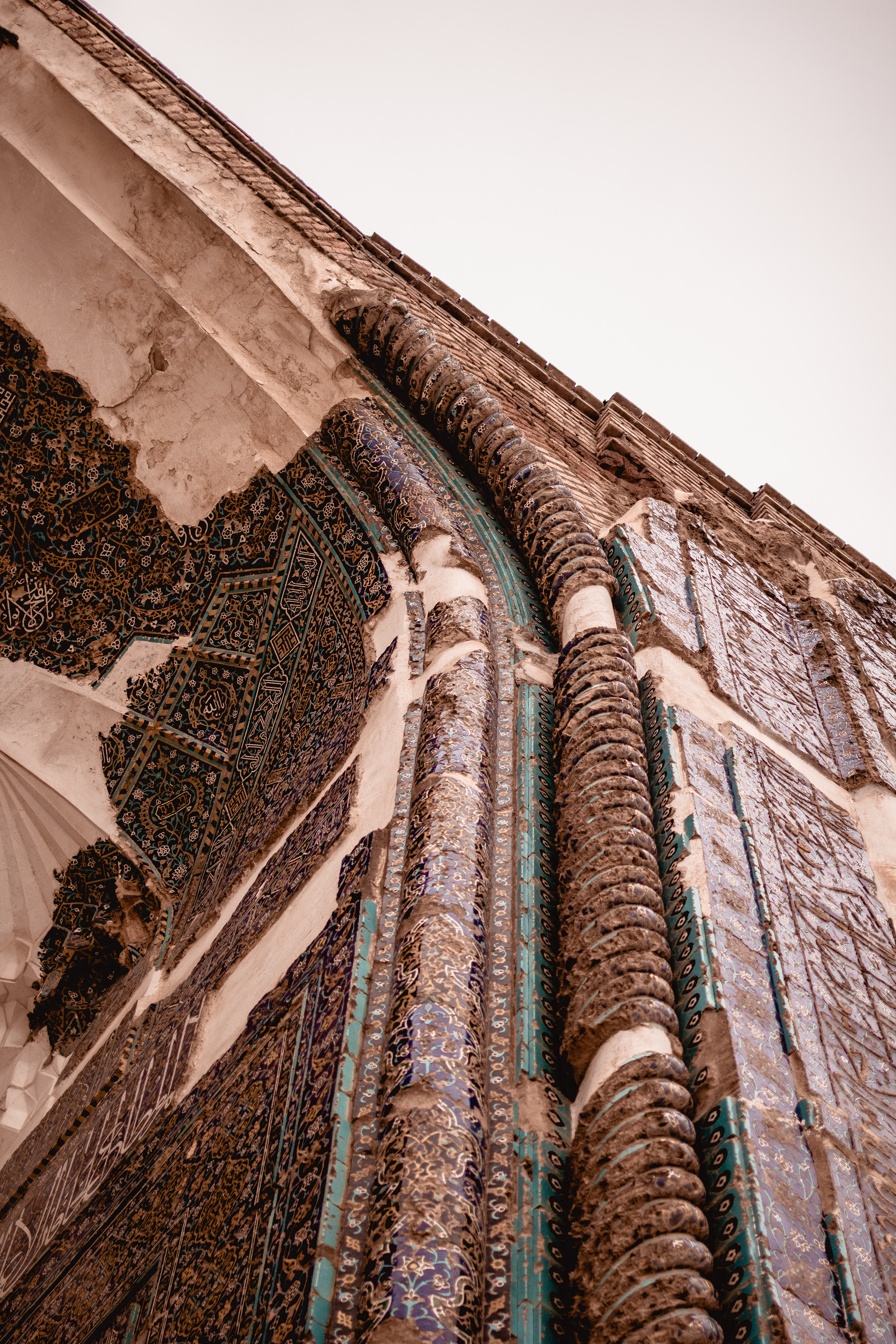
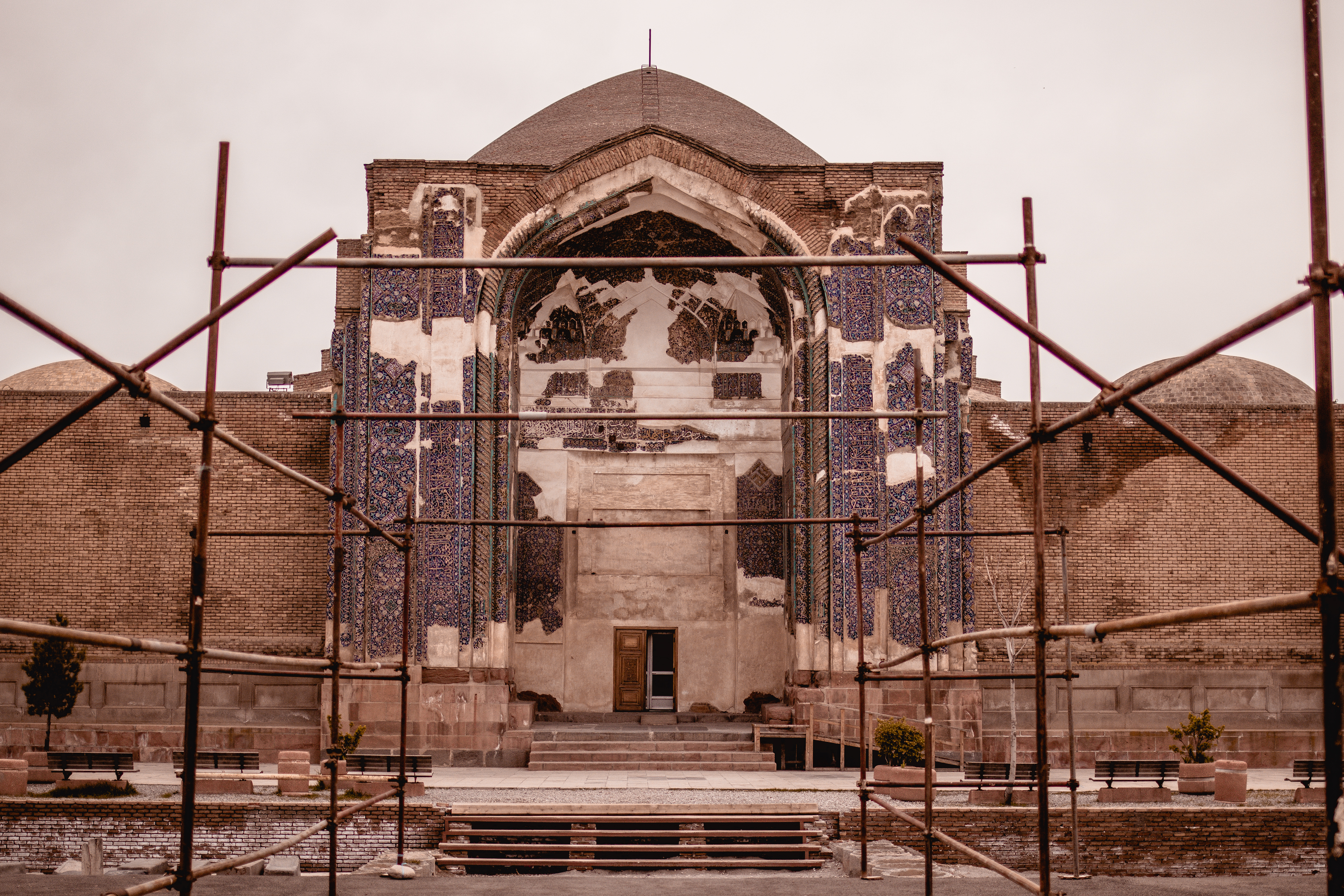
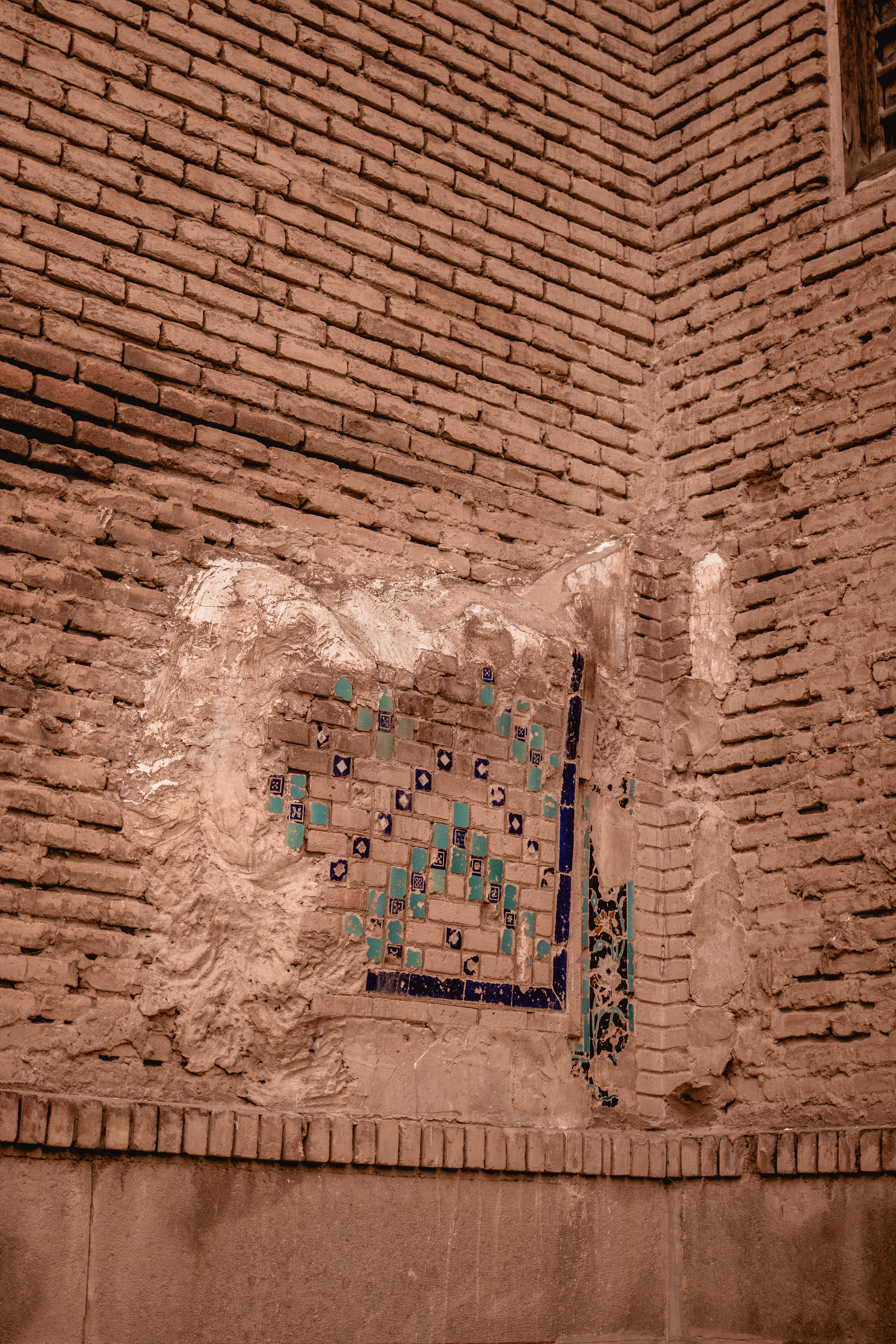
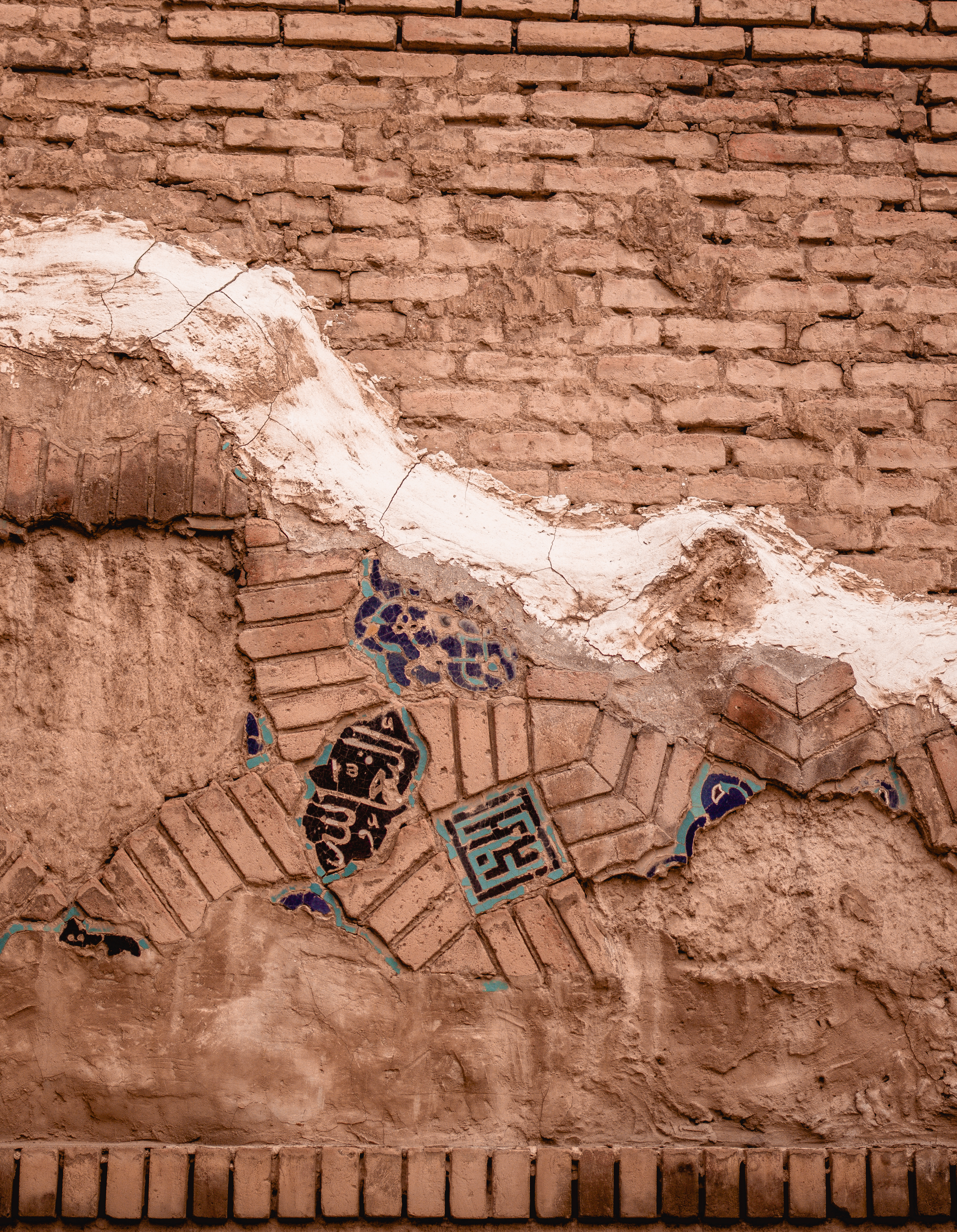
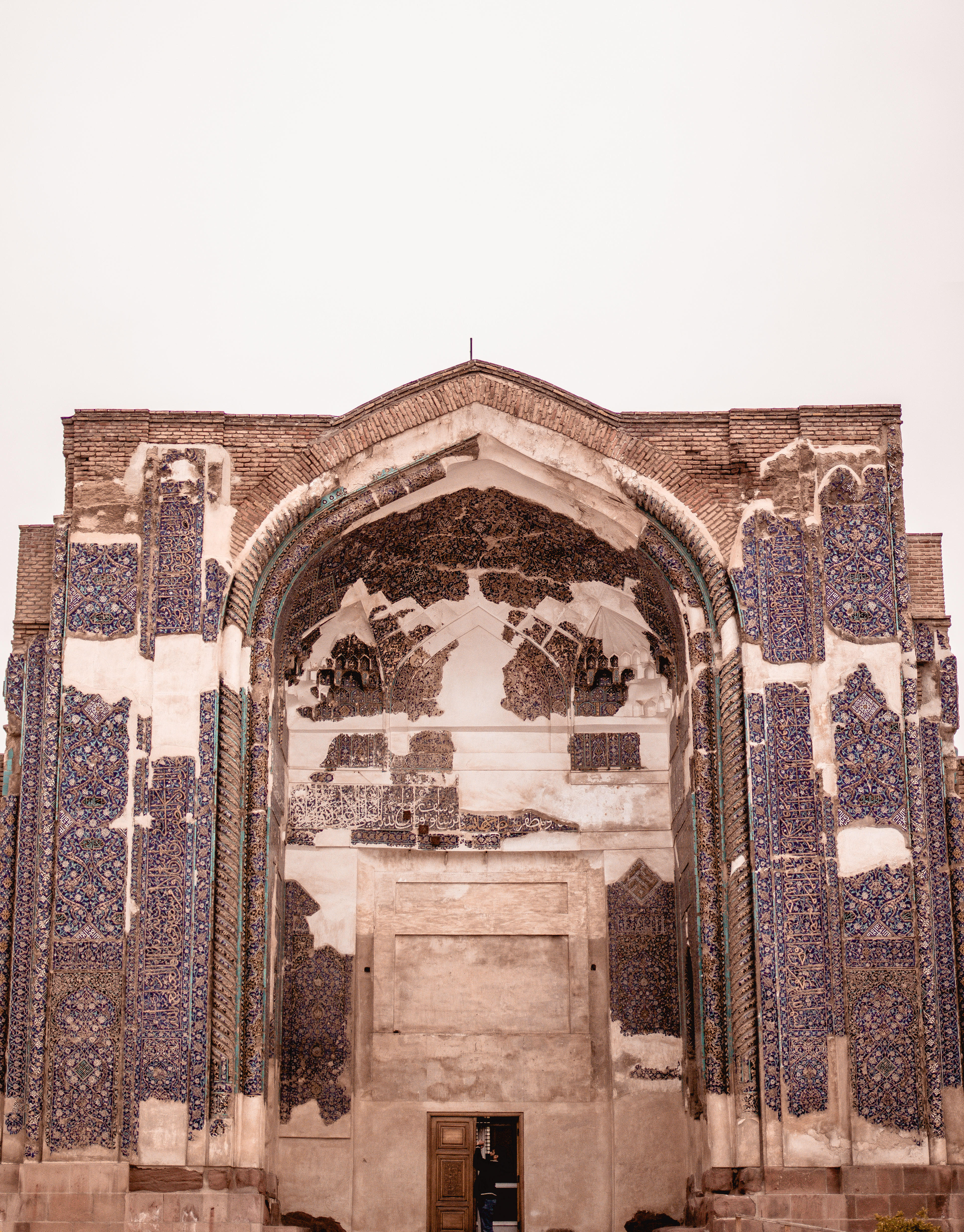
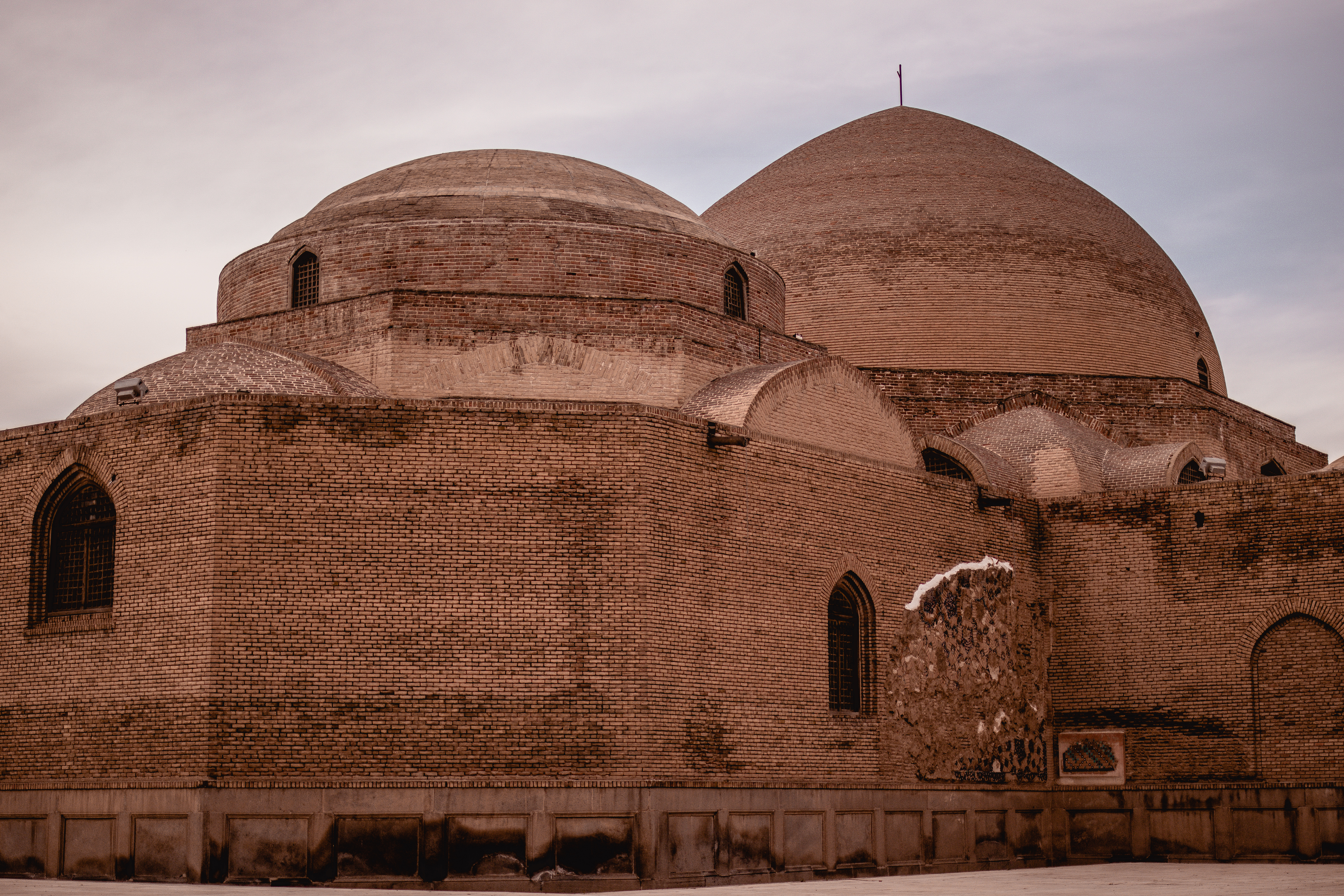
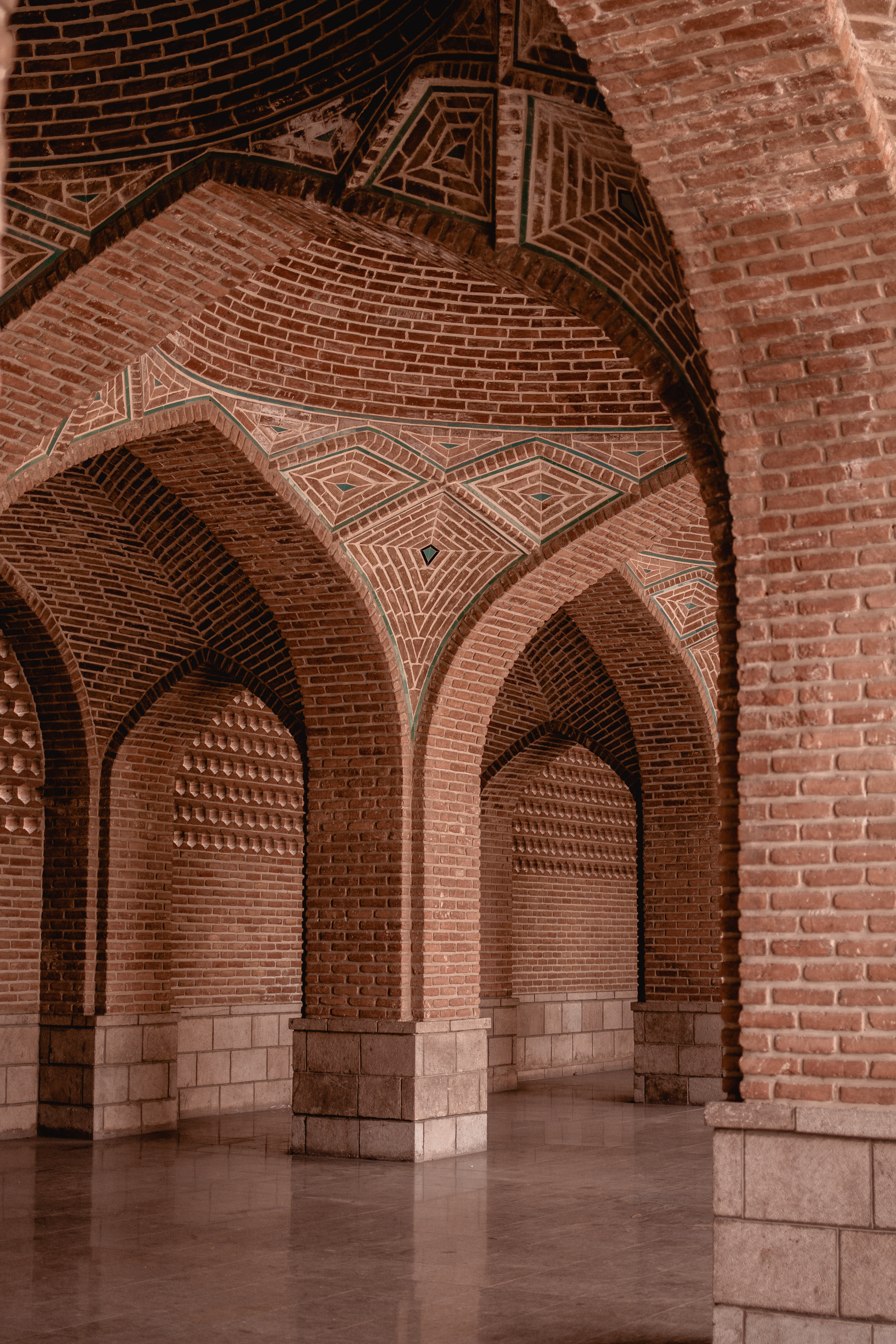
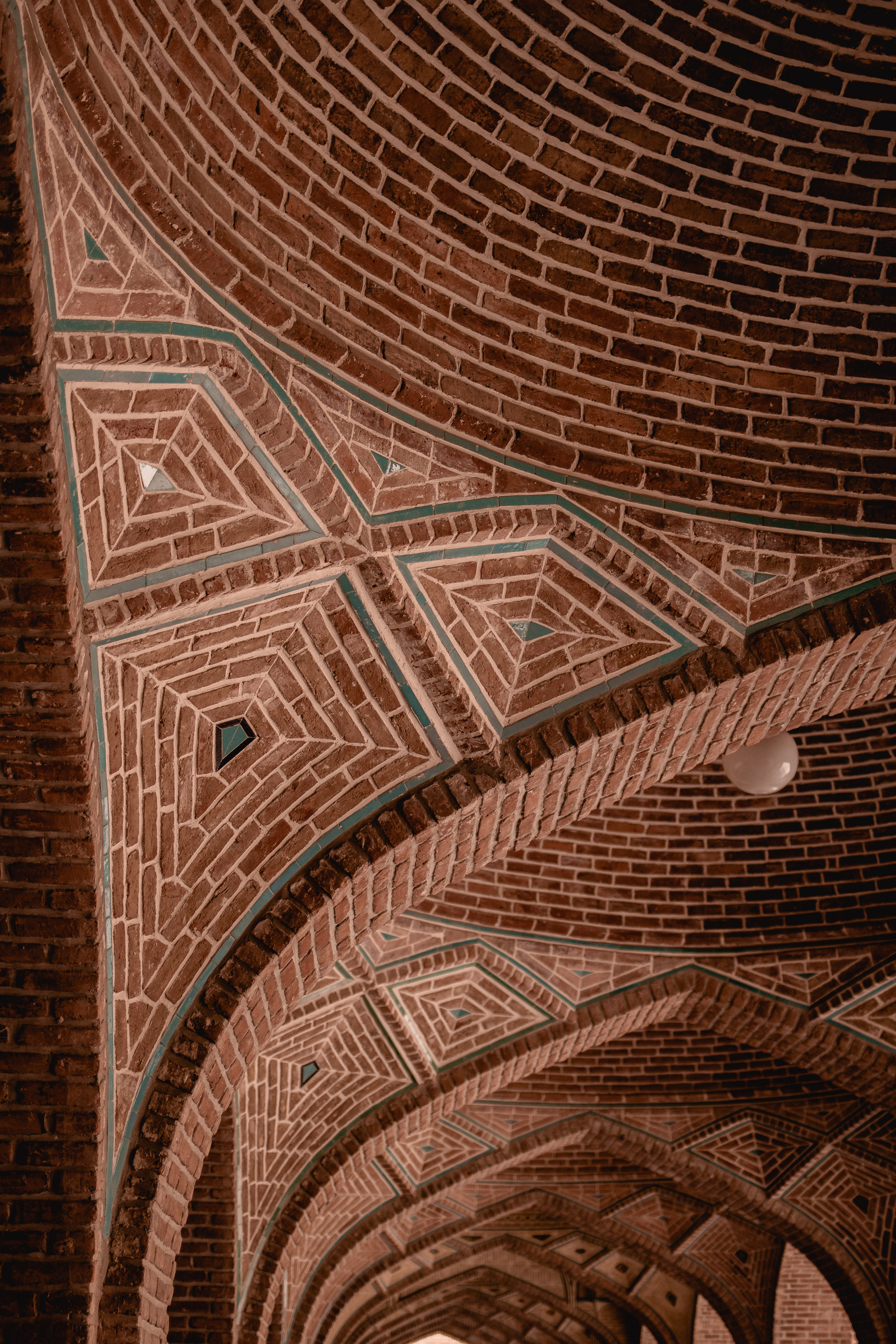
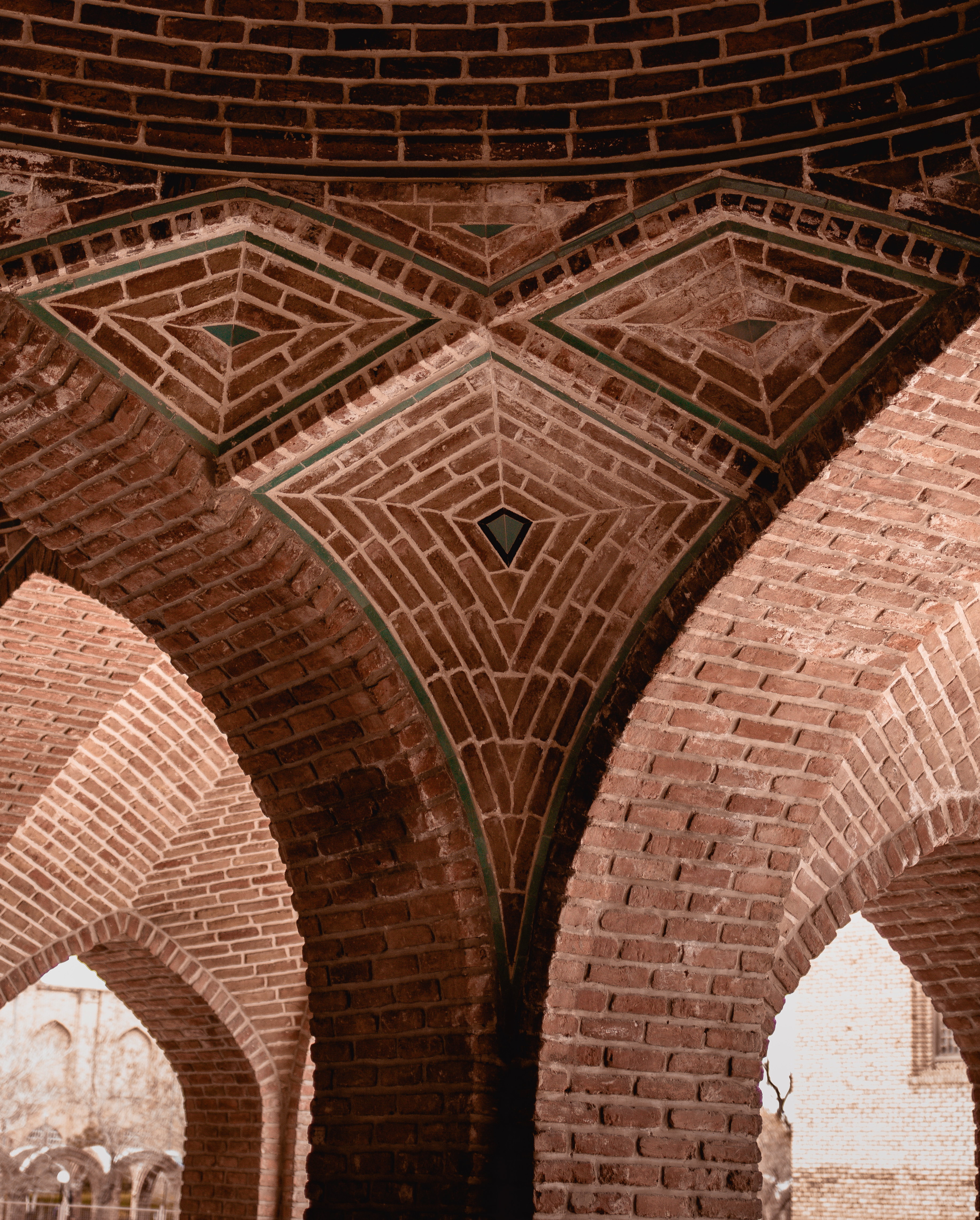
A major icon of the city is the Blue Mosque. One of the grandest ever built in this part of the world, with influences from across the Muslim world and a symbol of Tabriz’s power and influence in Central Asia and its control of the trade routes. Sadly, this 15th century complex was destroyed by a massive earthquake in the 18th century. The precious marble and gems that adorned its walls and domes were looted and the ruins left to stand for decades.
Eventually, it was rebuilt but there is still a lot yet to do to restore it to the former glory. Lack of funds means that day may never come. The mosque complex also houses a roughly 4,000 year old burial site. These remains were discovered during excavation for a construction project.
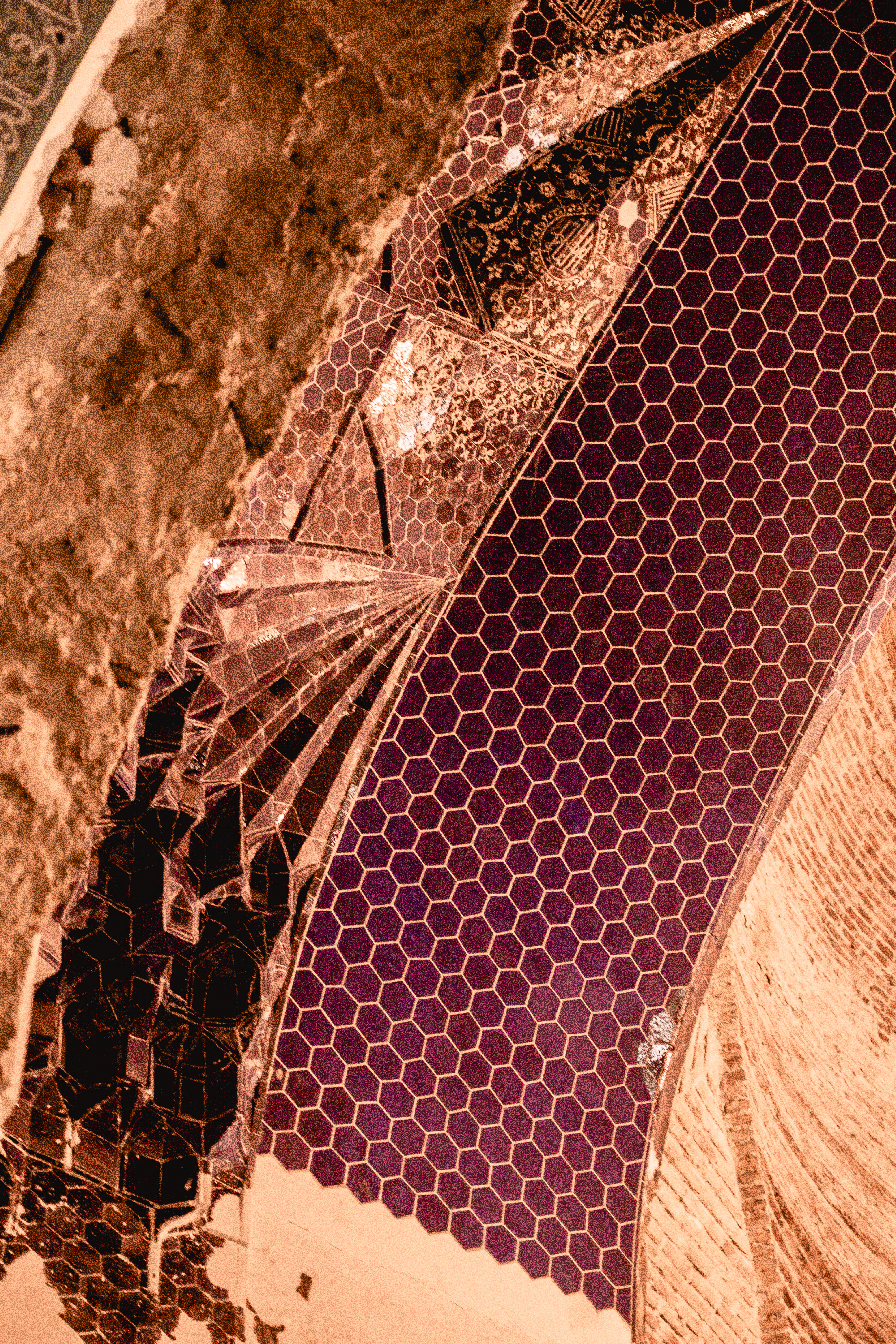
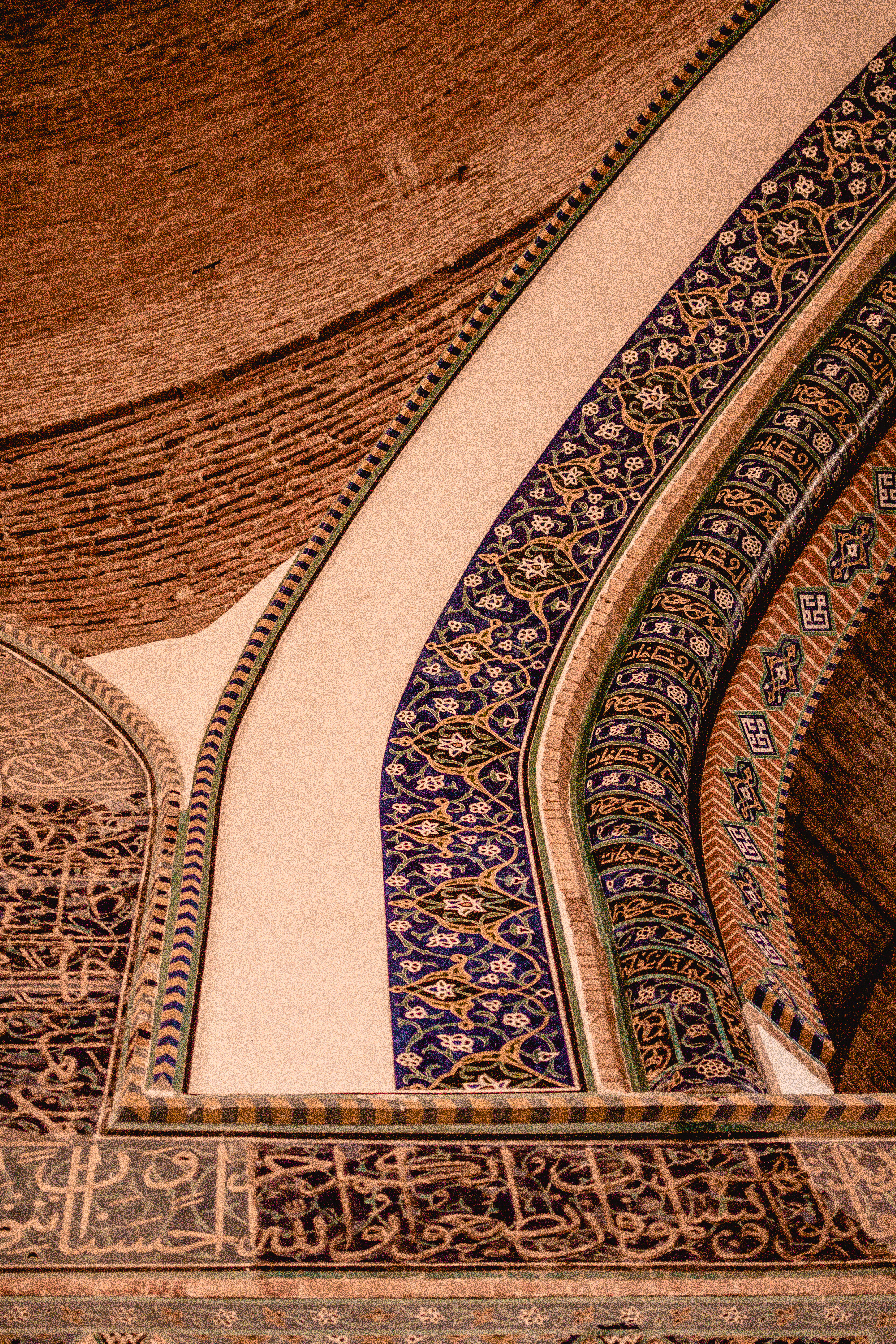
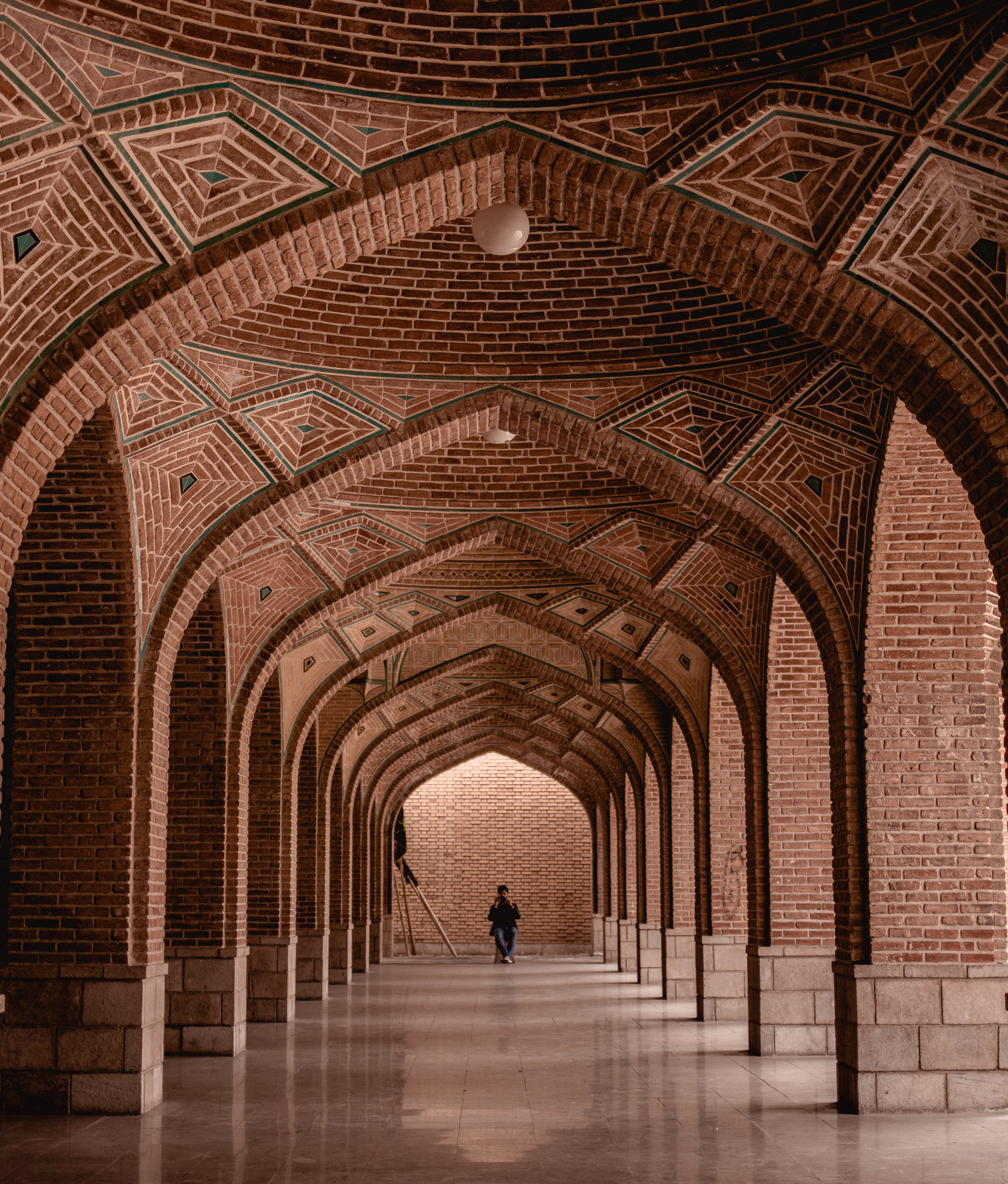
That’s me in the spotlight. 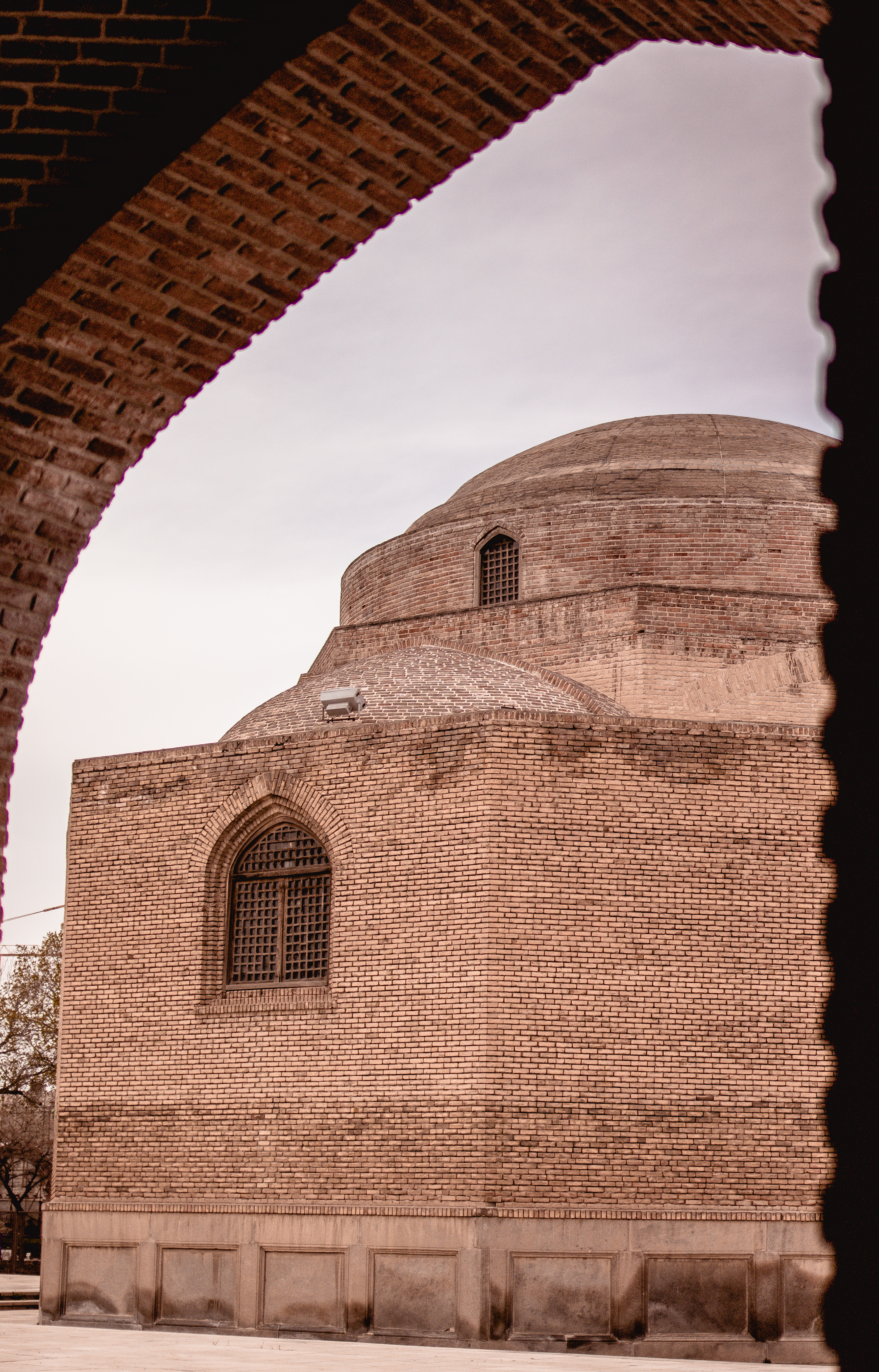
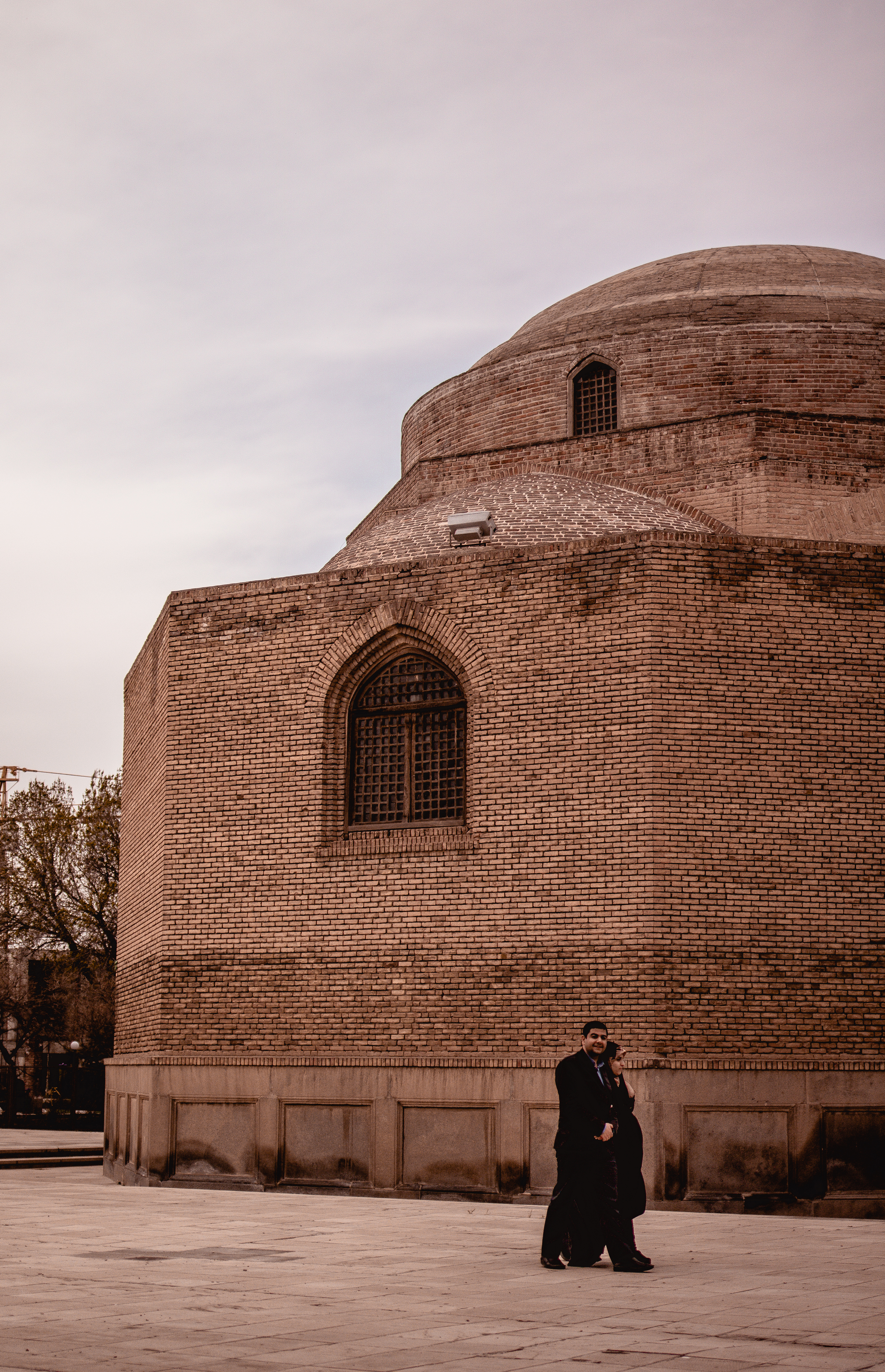
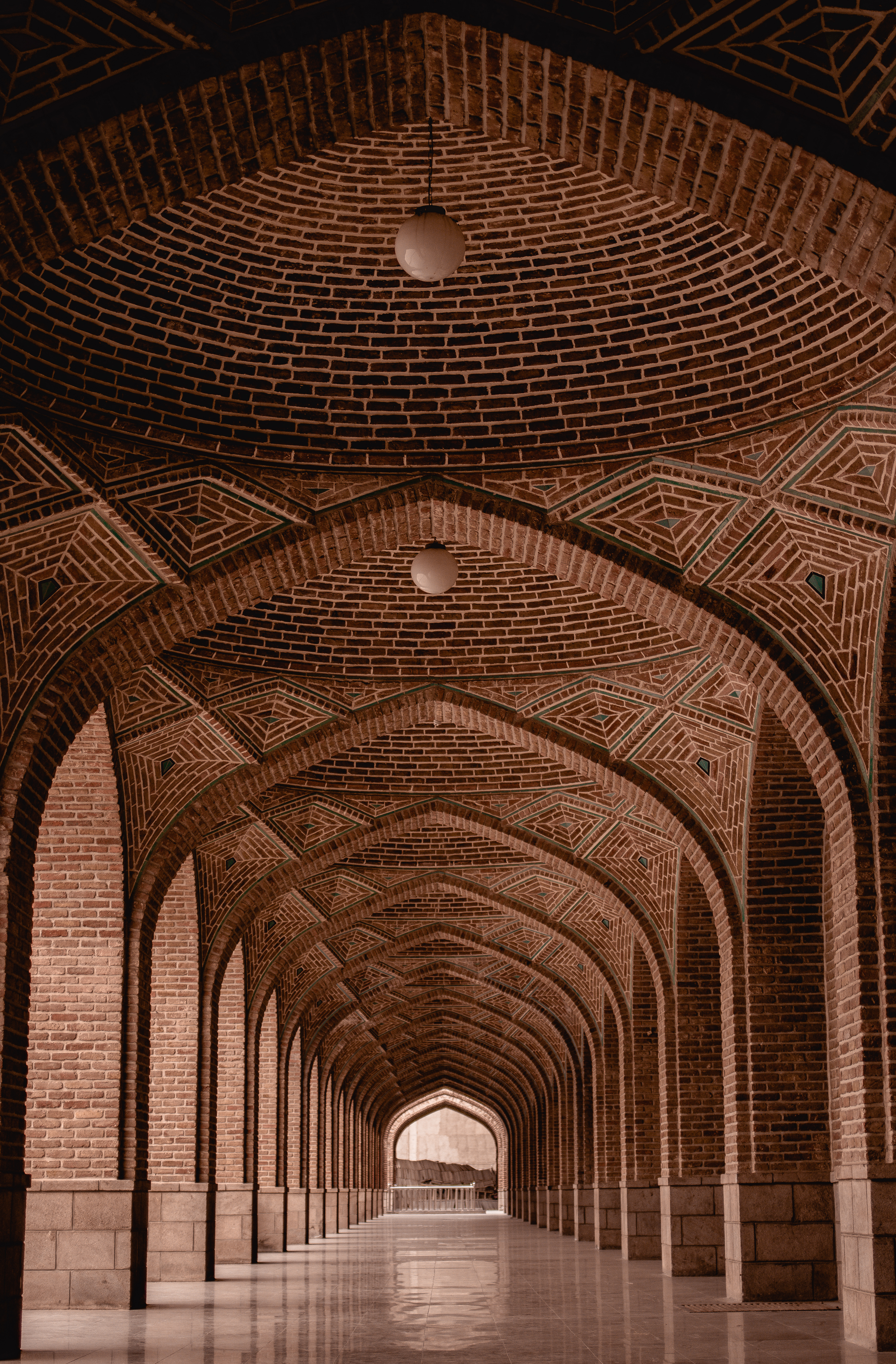
The Iranian people pride themselves for being mindful of the history and knowledgeable of the culture, specially poetry. As such, it is not uncommon to see statues and monuments dedicated to famous Persian poets. One such monument is dedicated to Khaqani.
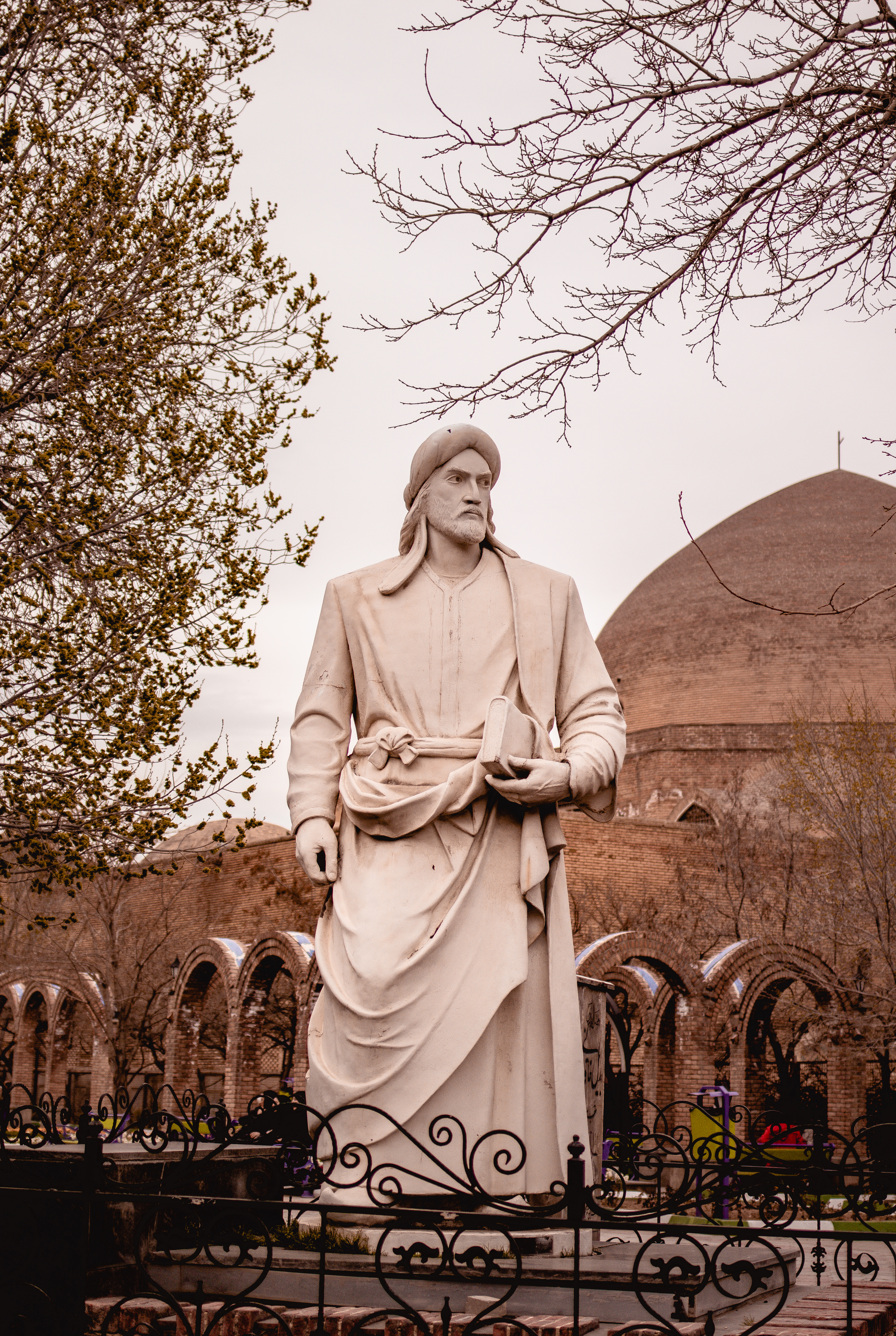
He was apparently buff, AF! 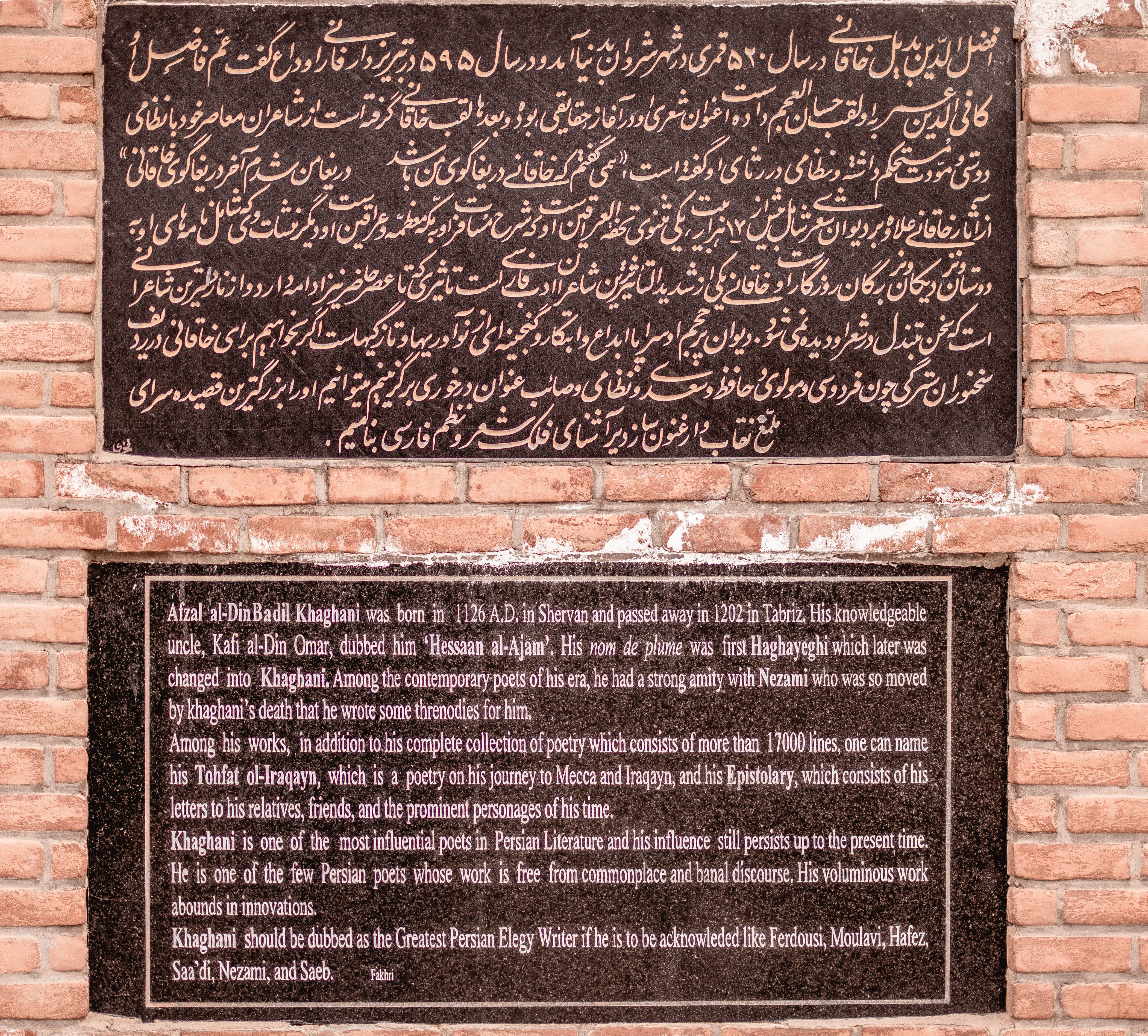
Did I mention the food?
The food was delicious (although, if you speak Urdu like we did, it was often a hilarious surprise to find out the specific dish is not exactly called the same in Farsi).
There are so many fascinating places to visit in and around Tabriz that you could easily spend a week here alone.
Iran was treating us very well.
People were helpful and warm.
We’ll be alright over here.
(Plus we also got local sim cards and just like in Turkey, we’ll have access to high speed mobile internet throughout our stay in the country. Looking at you, Germany!)
 MINI Overland