A short sprint across the desert from Yazd was enough to reach Kerman. The rains that had forced us to change our plans early on where somehow still raging on, with some flooding reported in the area. We arrived just as the sun was setting and made camp at the ‘Kerman Pars Hotel’ (roughly €50 for a double room, including secure parking in the underground garage and decent breakfast).
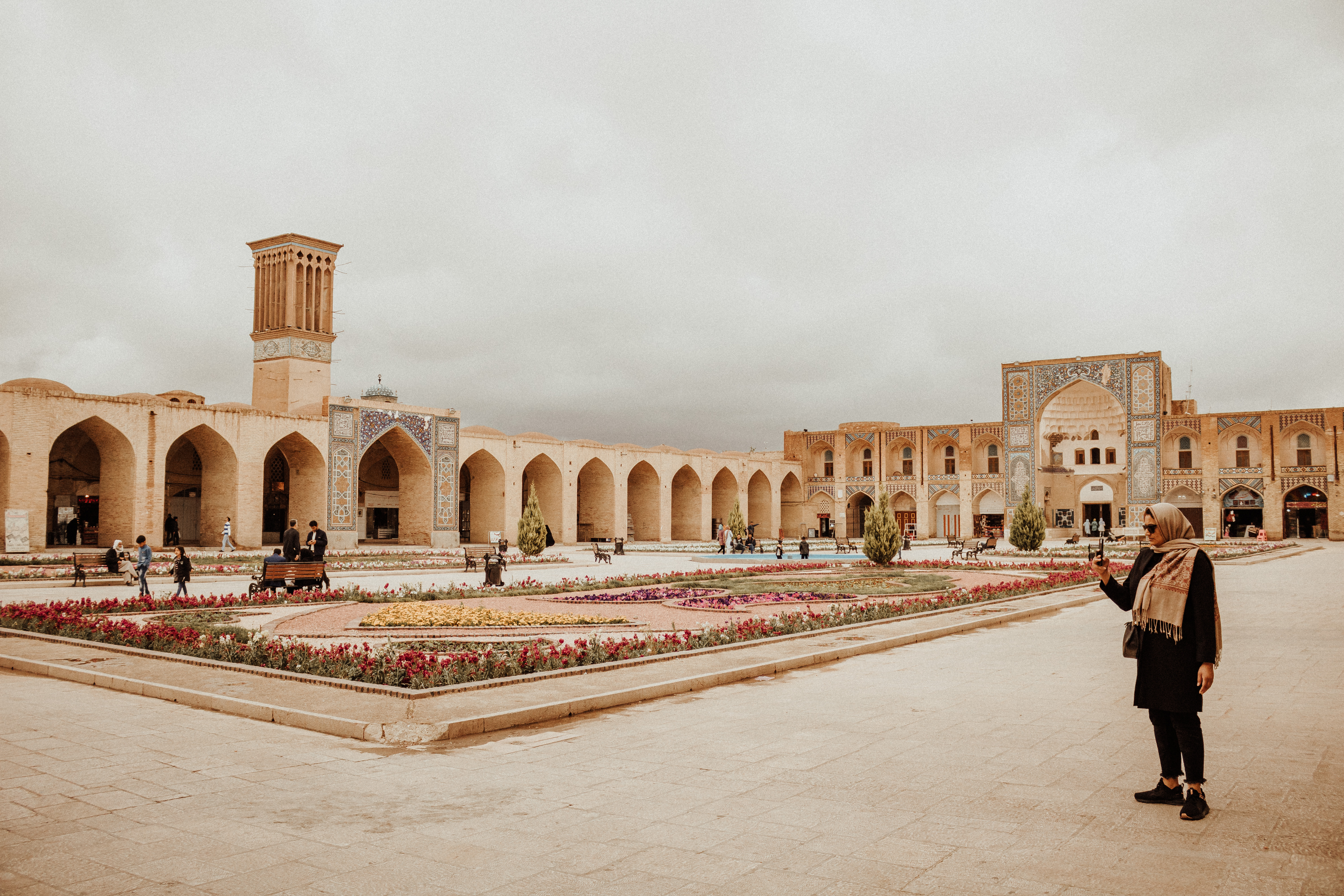
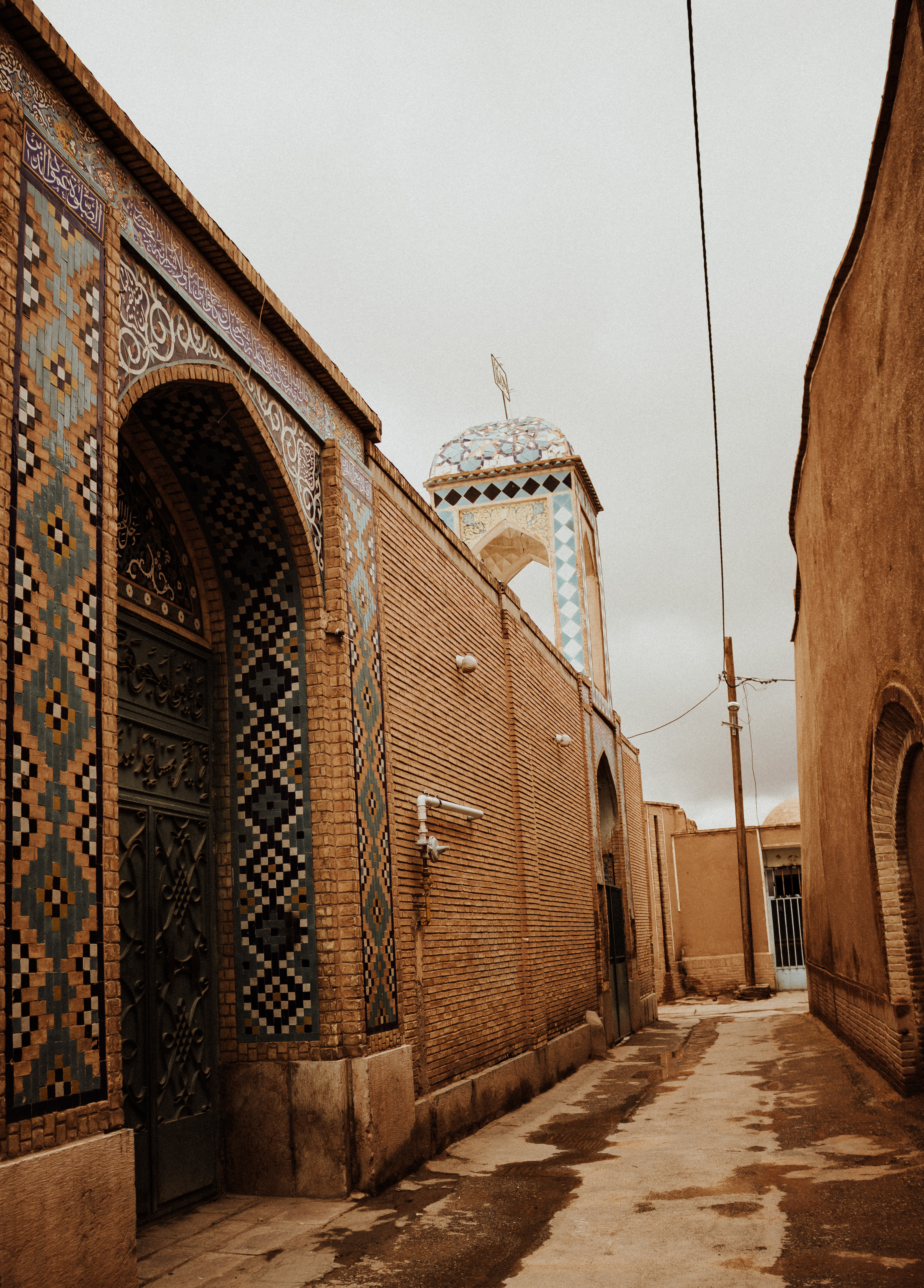
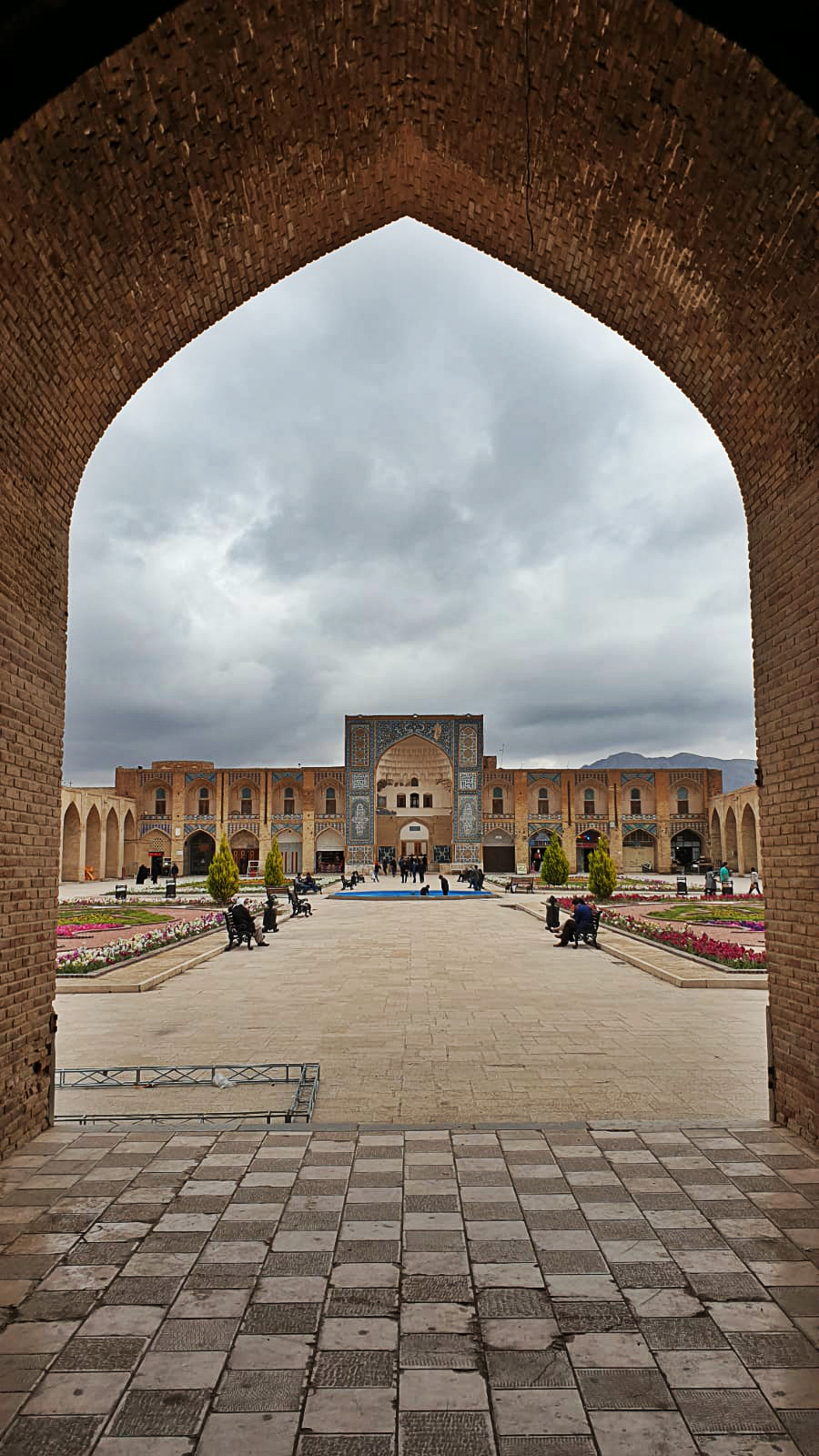
The next morning was spent walking around the late 16th / early 17th century Ganjali Khan Complex. It is the historic centre of the city. Like many other cities on our route (loosely following the old silk route), it is easy to see how foreign cultures influenced and enriched these glorious urban centres, well ahead of the great cities of West at that time.
The fact that Kerman was an ‘outpost’ of various empires, meant it not only was the first to receive wares from others, but also bore the brunt of invaders. Most of the city was destroyed as late as 18th century and much was lost forever.
What remains serves as a beautiful reminder.
There are various bazaars, interconnected and covered. There are hotels and resting spaces for travellers on the roofs of the complex. Bath house. Grand mosque. Historic mint. Coffee houses and spaces where artists and artisans sell their wares. In total, it is a group of structures spanning 11,000 square meters and the local authorities have done an excellent job in preserving and restoring much of it. Big challenges remain though, as a huge section of it is under threat of collapse. The 2003 earthquake that devastated the nearby city of Bam was not kind to Kerman either.
It was a thoroughly enjoyable experience to be in Kerman and the rain water that flooded the streets was hardly going to bother us.
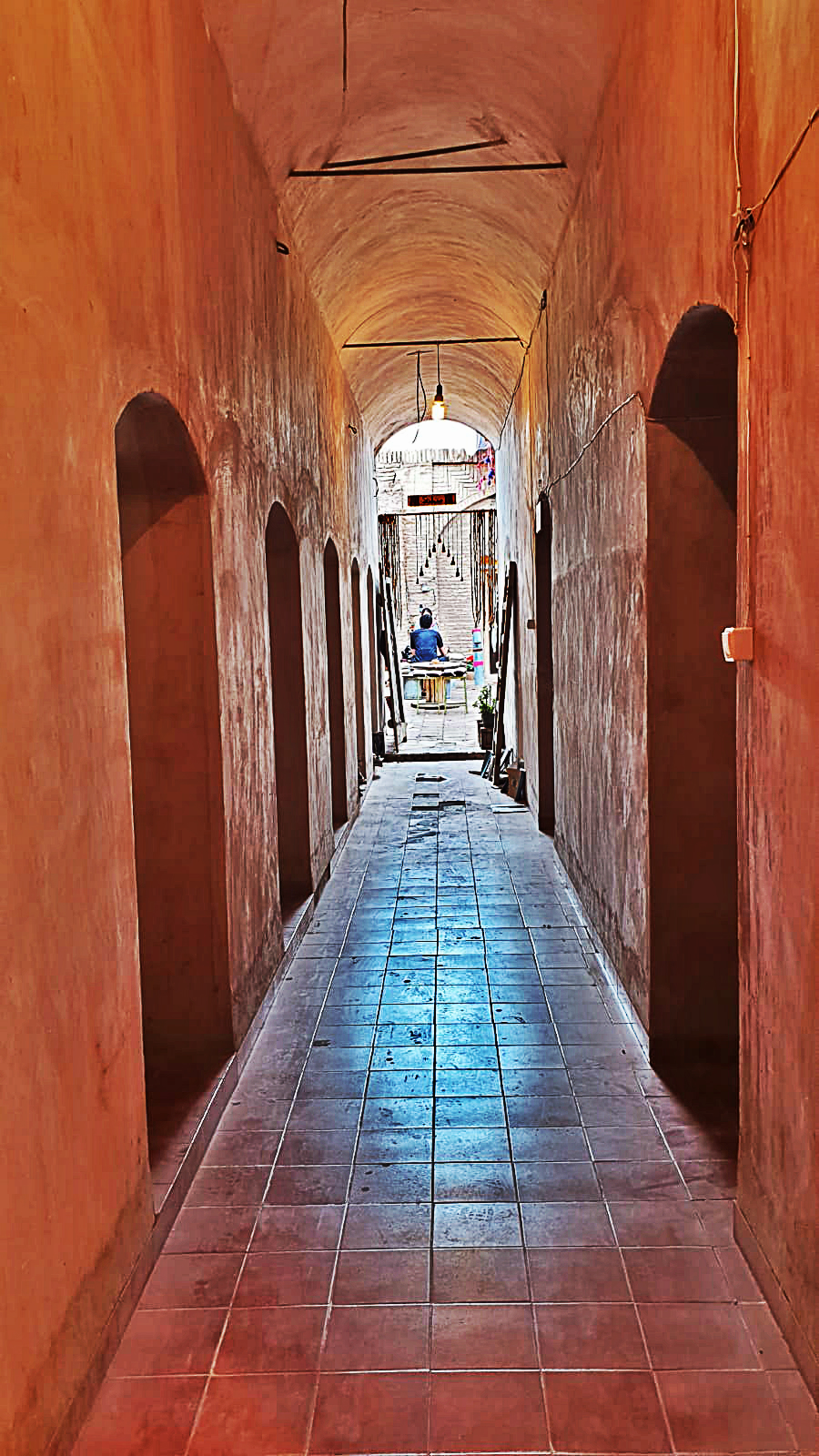
Light at the end 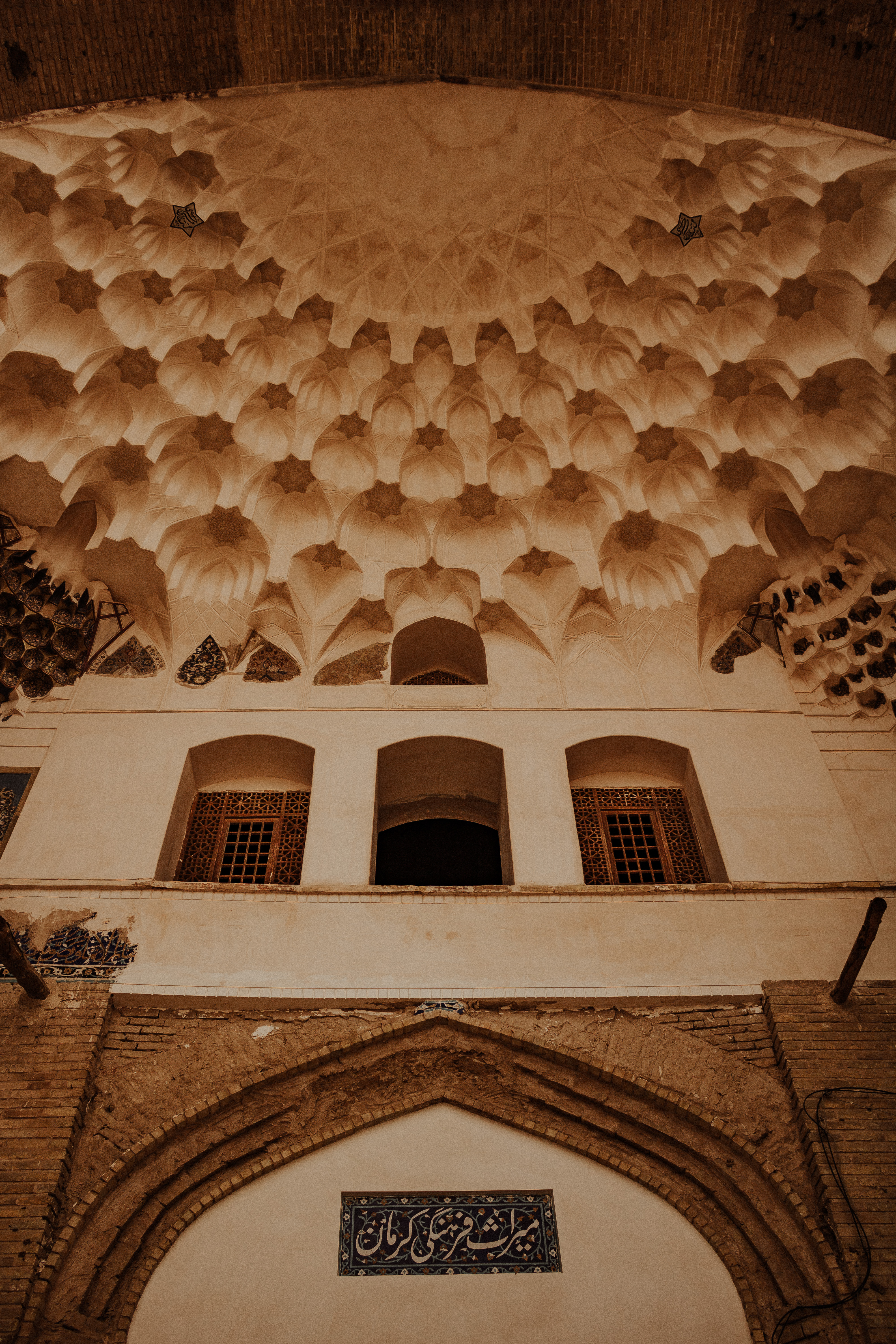
Kerman, the heritage of Persia 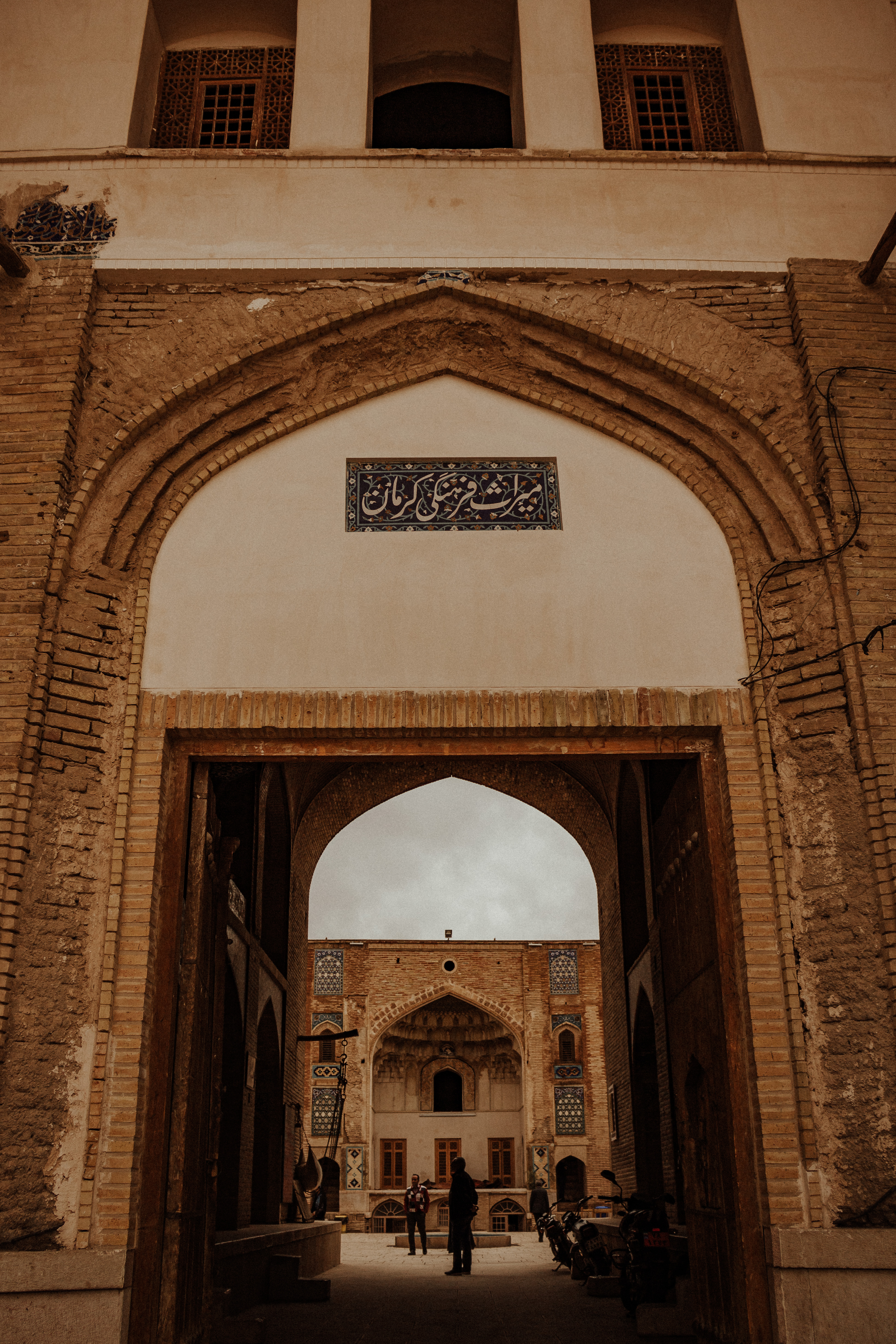
The vast complex has various blocks for traders and travellers. 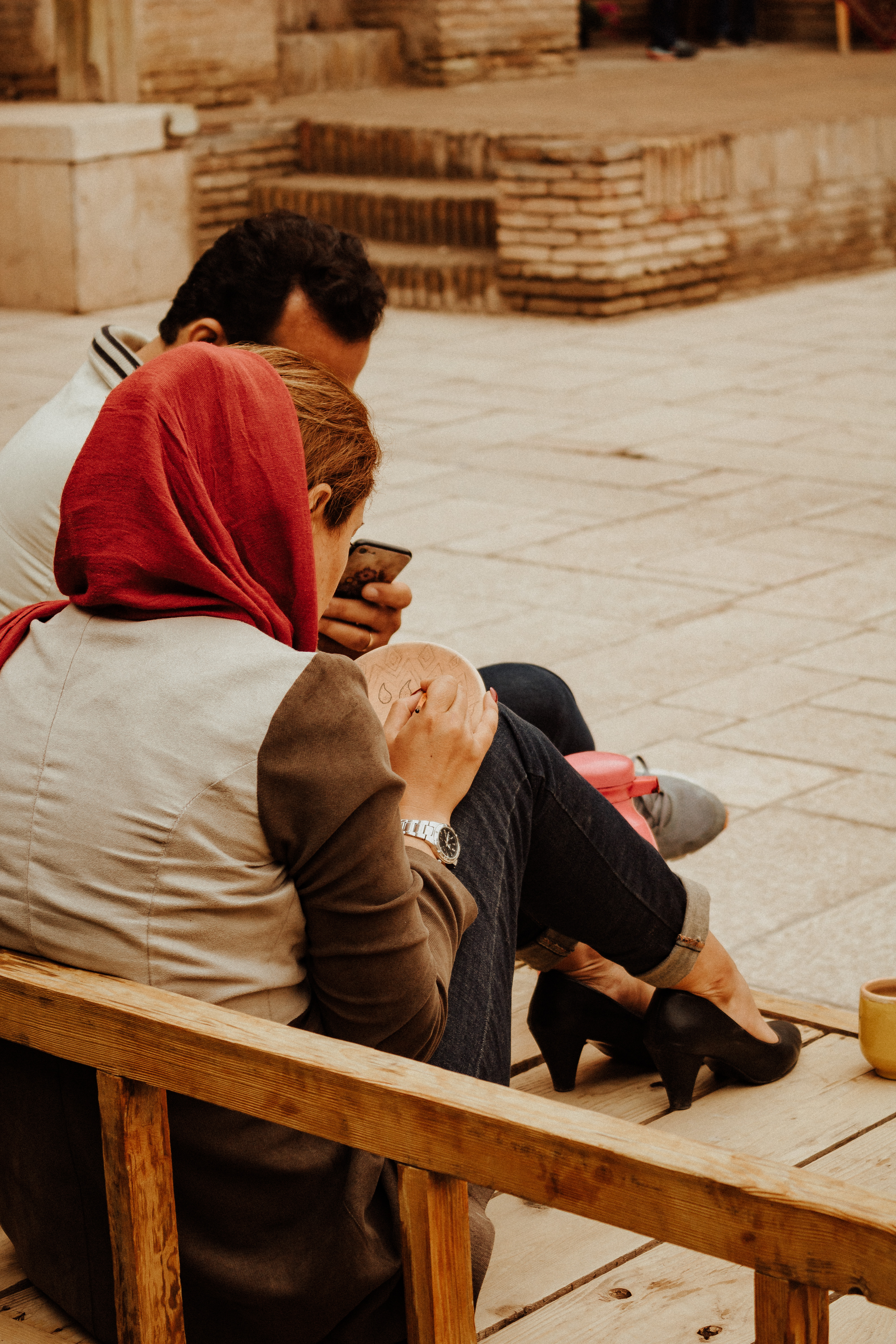
Artisans, preparing their wares. 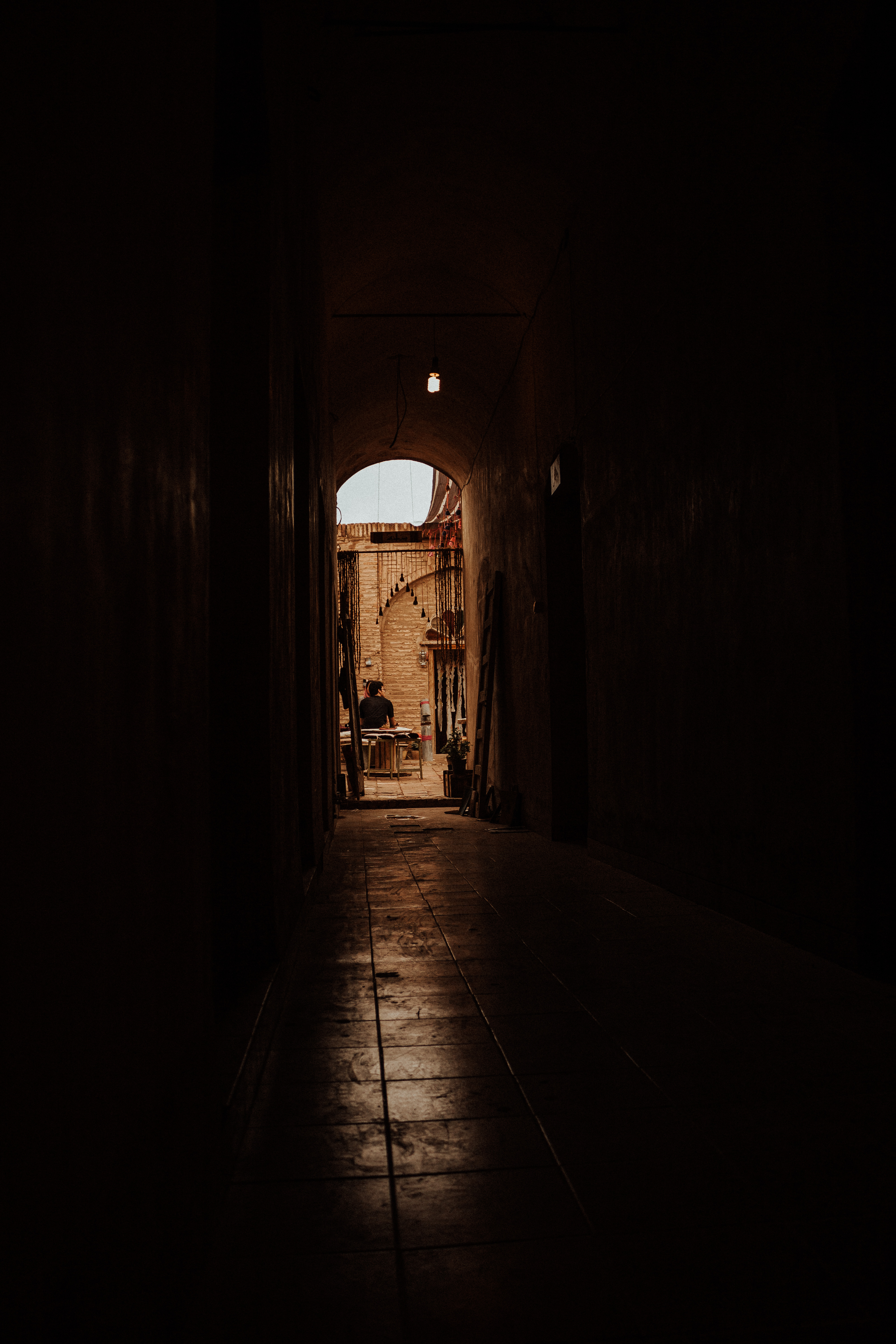
Even the interconnected roofs are a hub of activity. 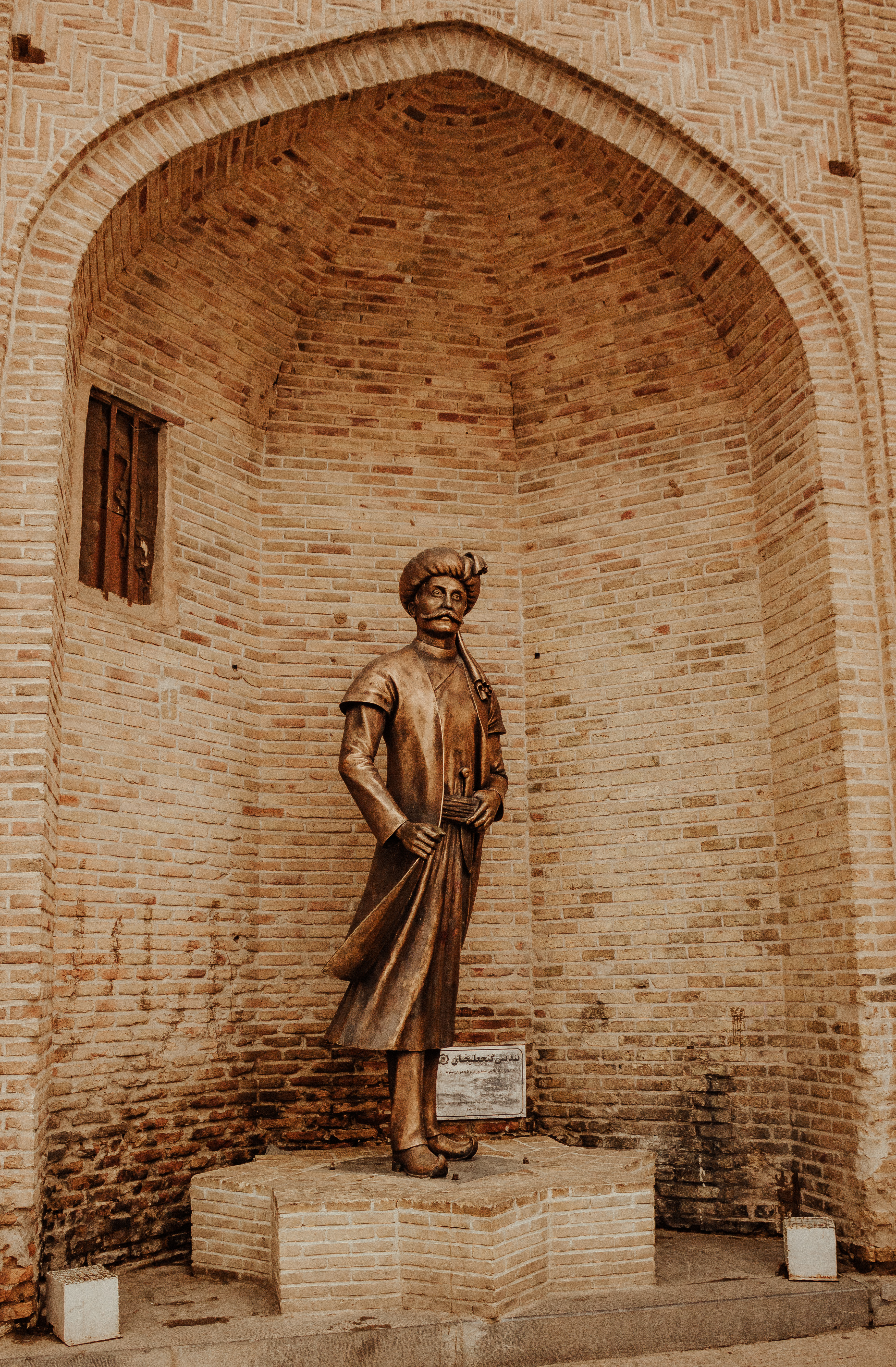
Most of the great complex exists thanks to this man. 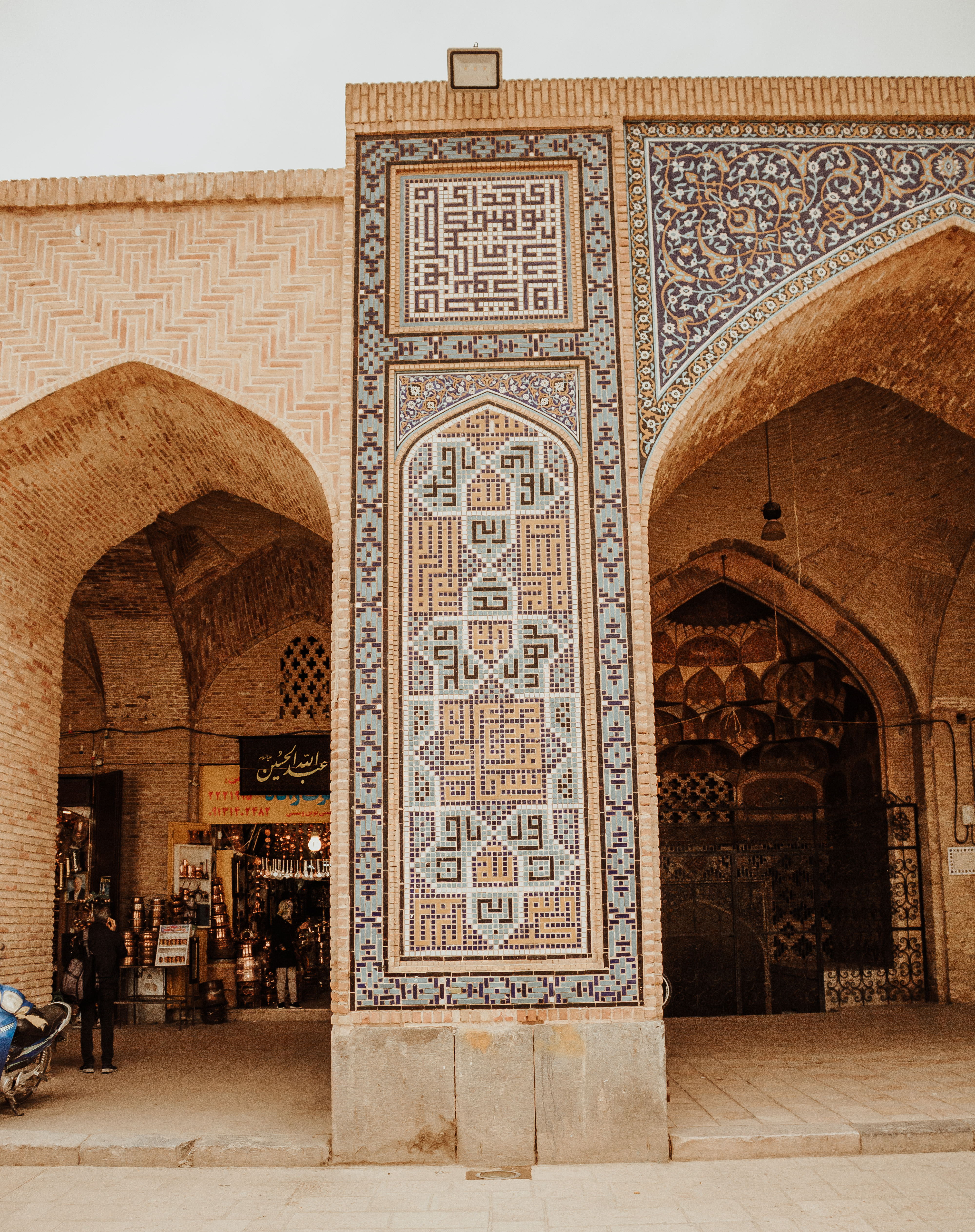
It’s easy to build great buildings. You just need some geometry, calligraphy & symmetry on brilliant location. 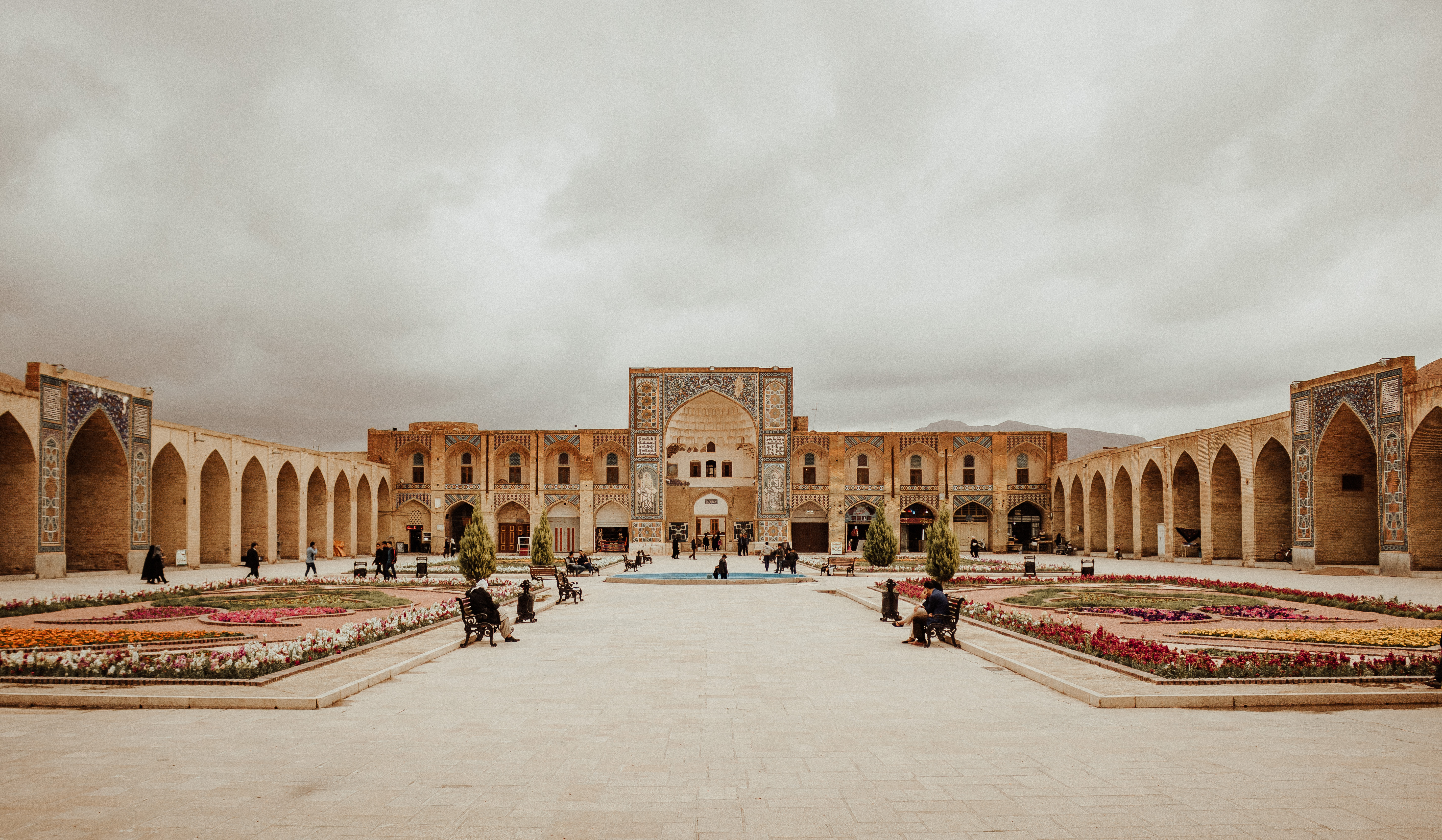
Mosque. 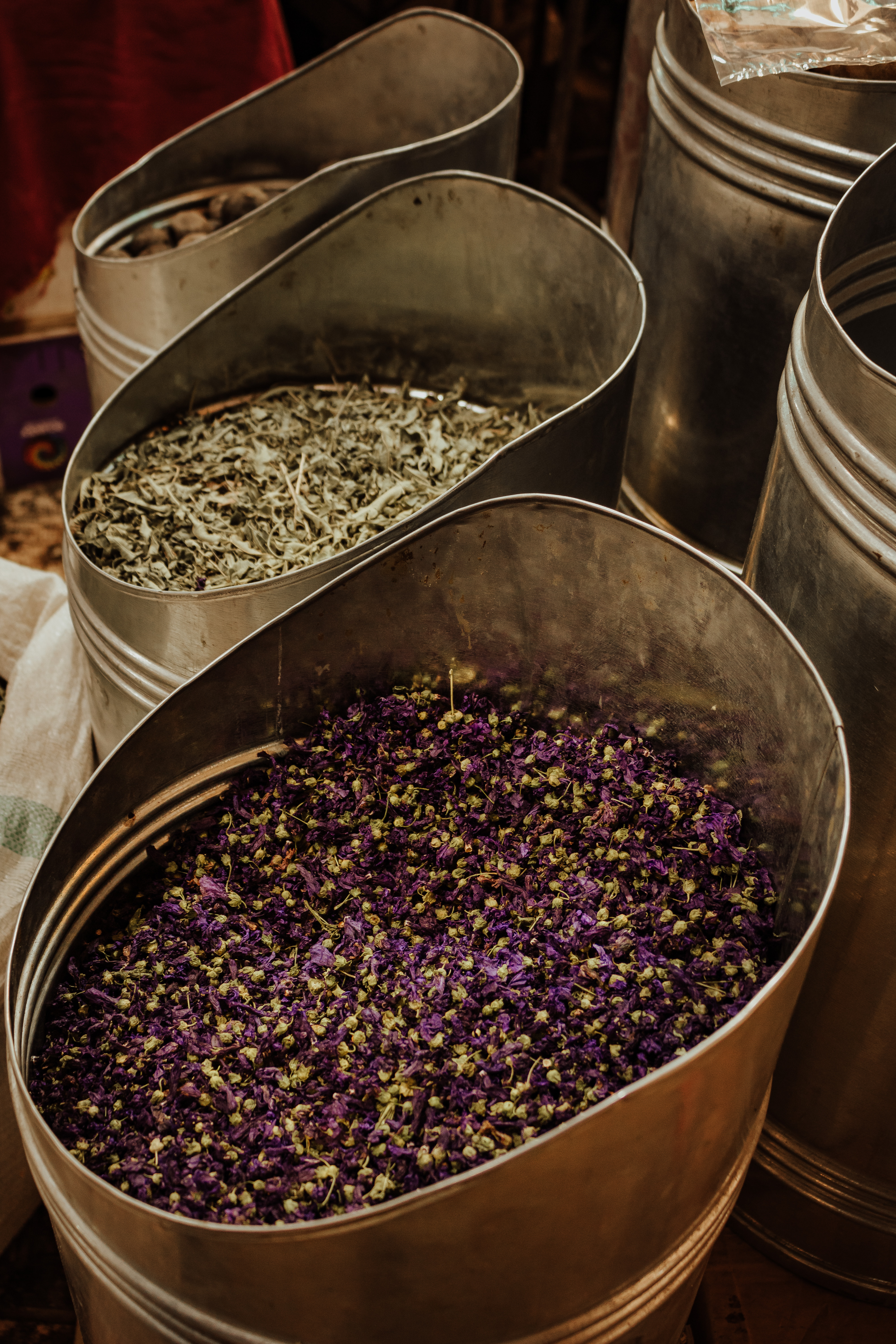
Herbs and Spices. 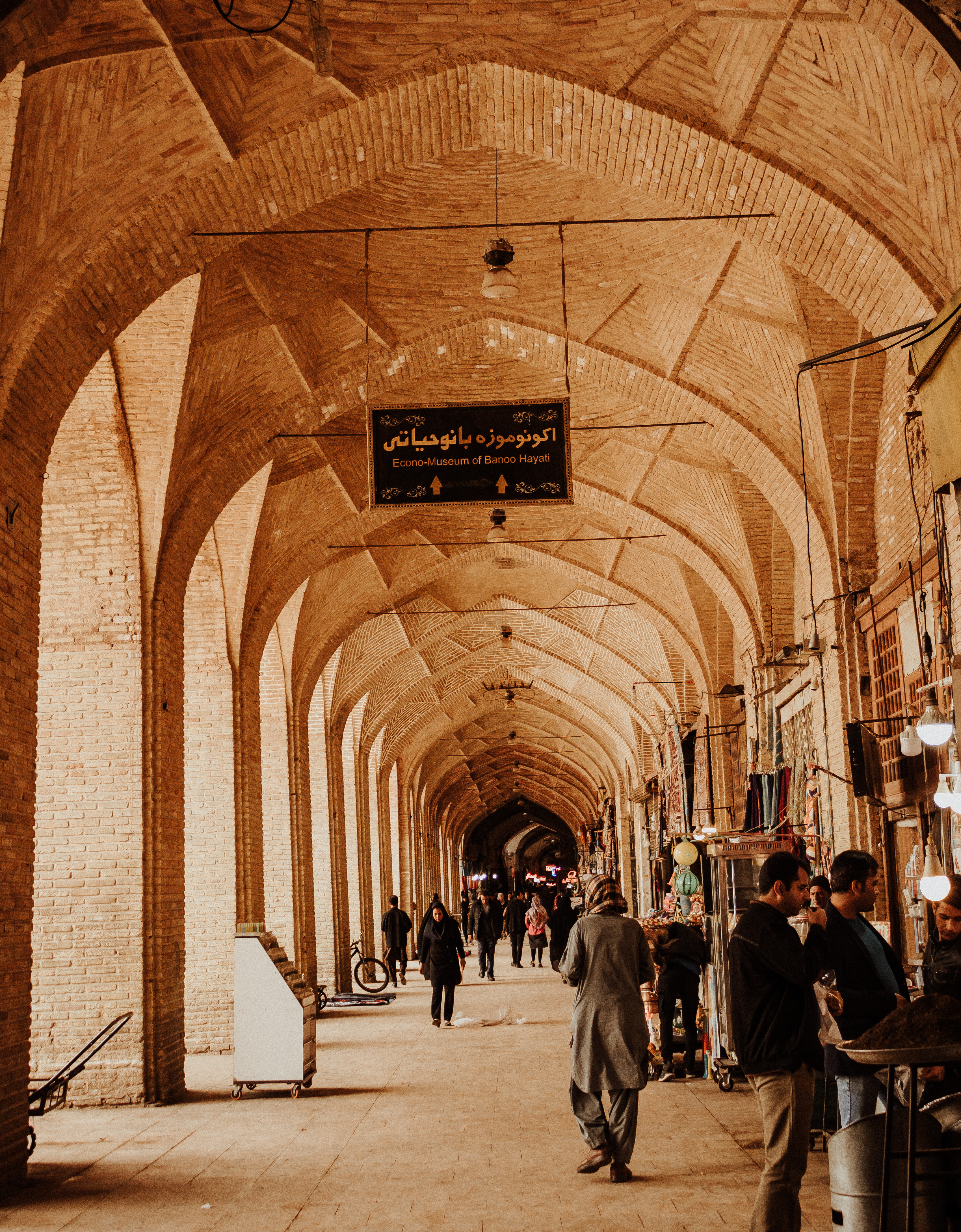
Market. 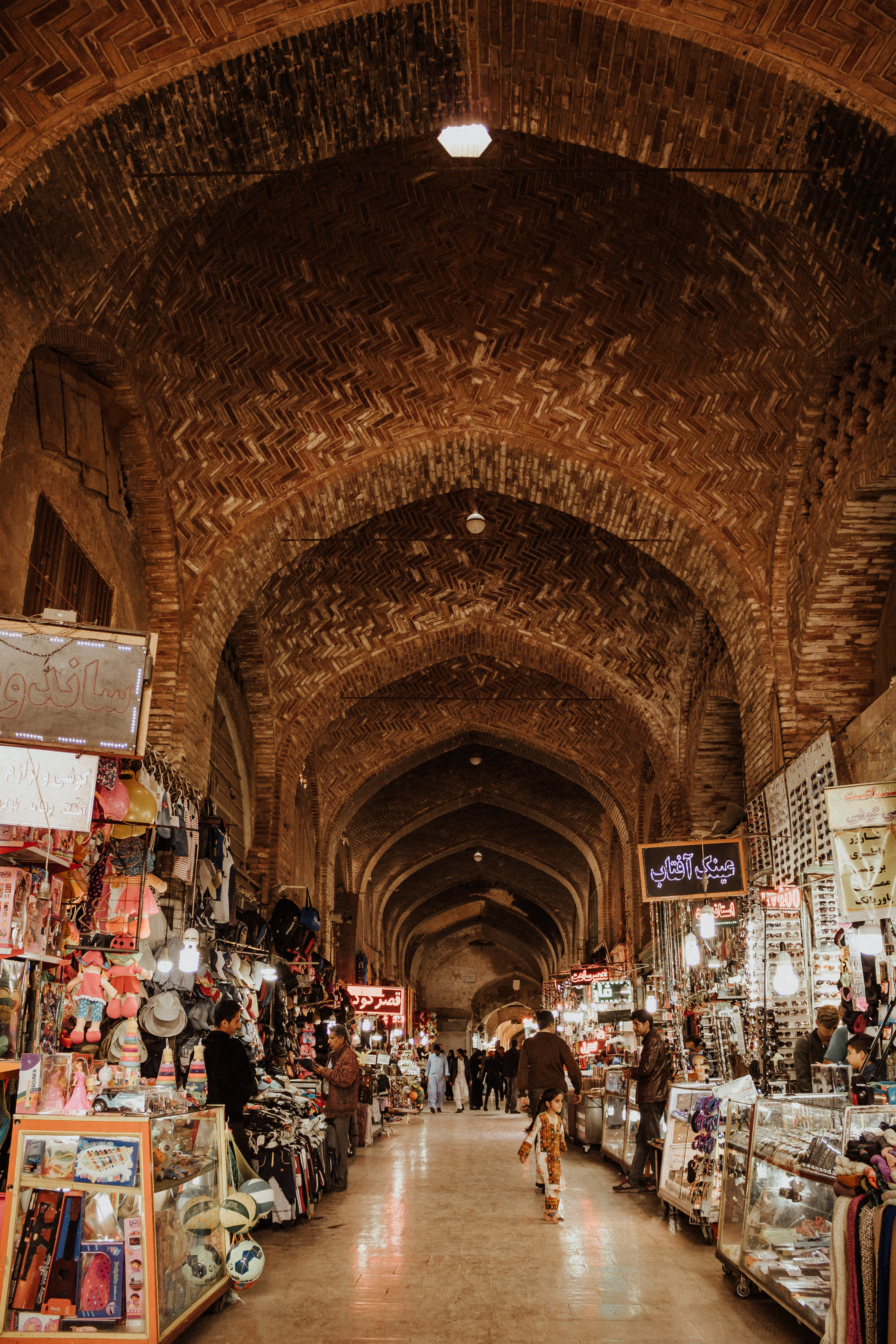
Different sections of the complex show slightly different styles of arches. 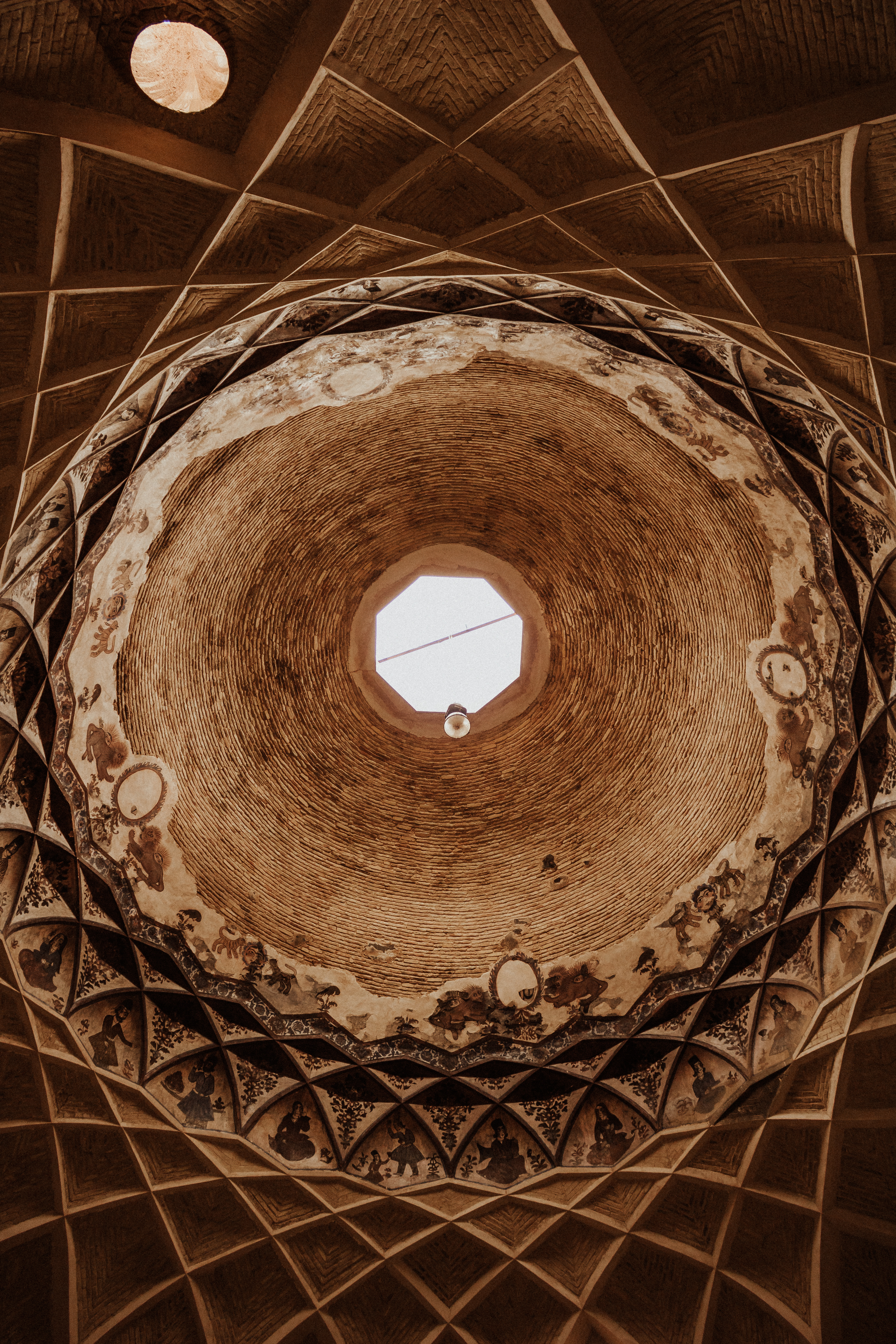
Plenty of animals and people depicted on design elements too, not just religious texts. 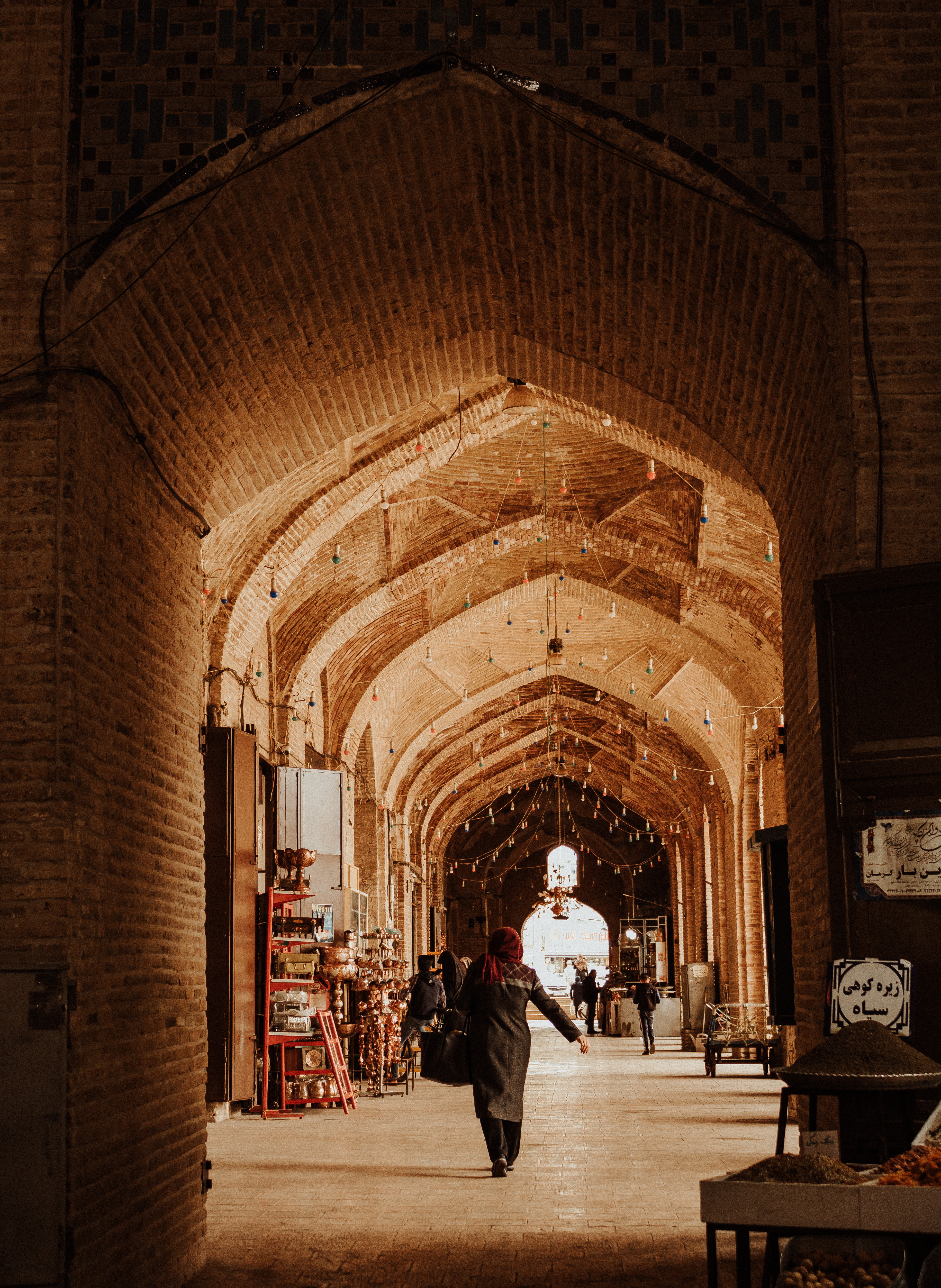
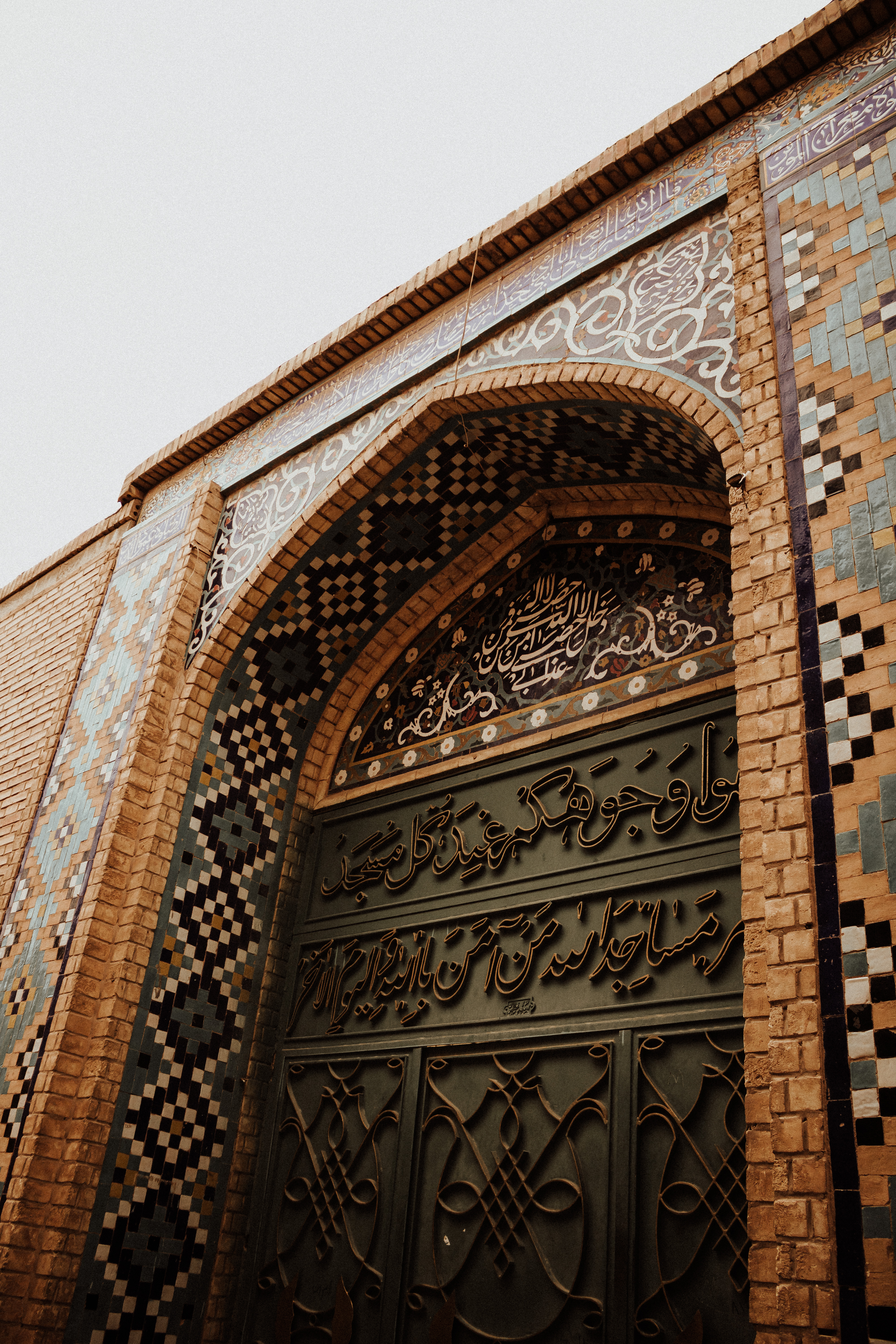
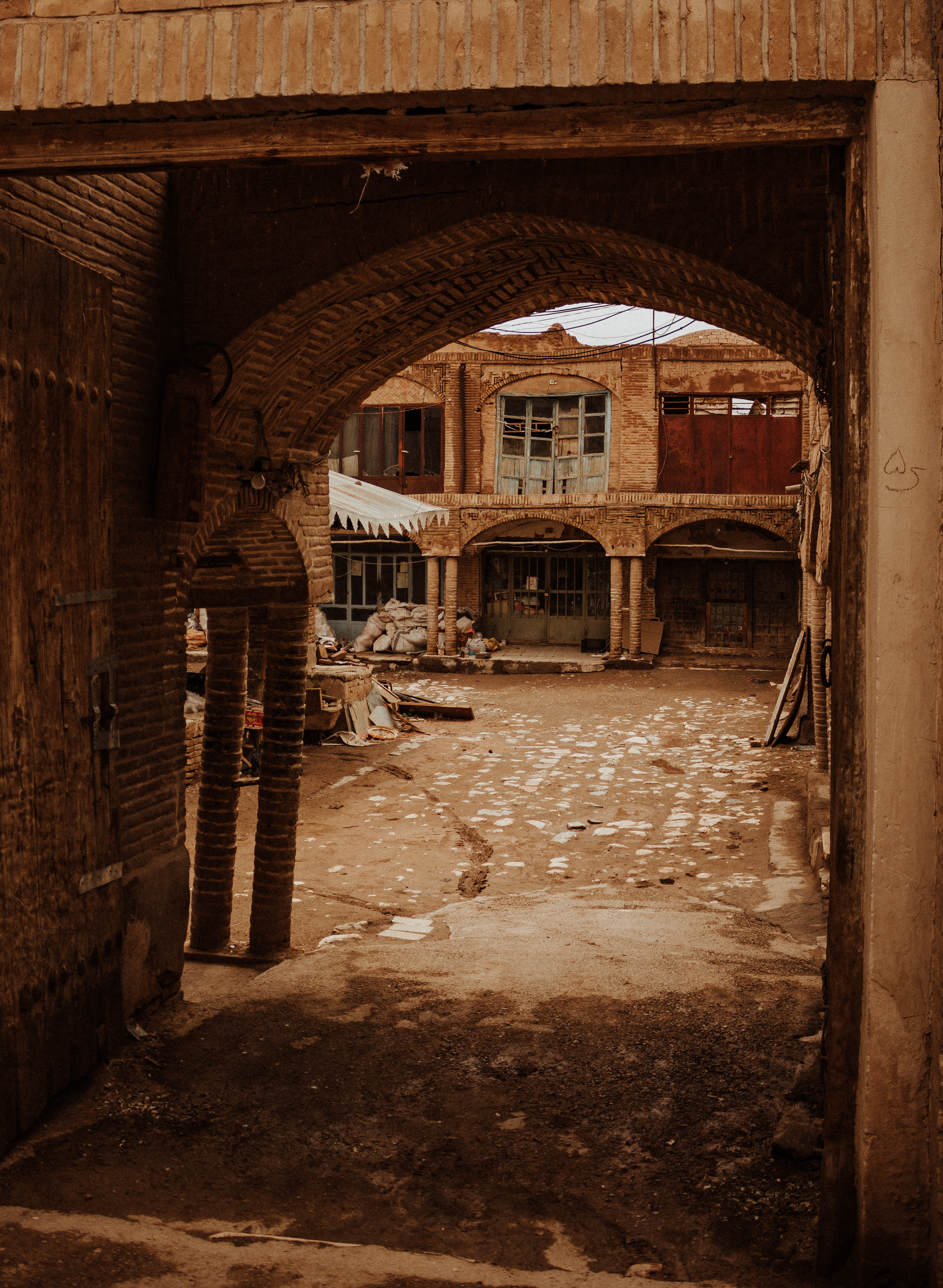
Some facades hide harsh realities. 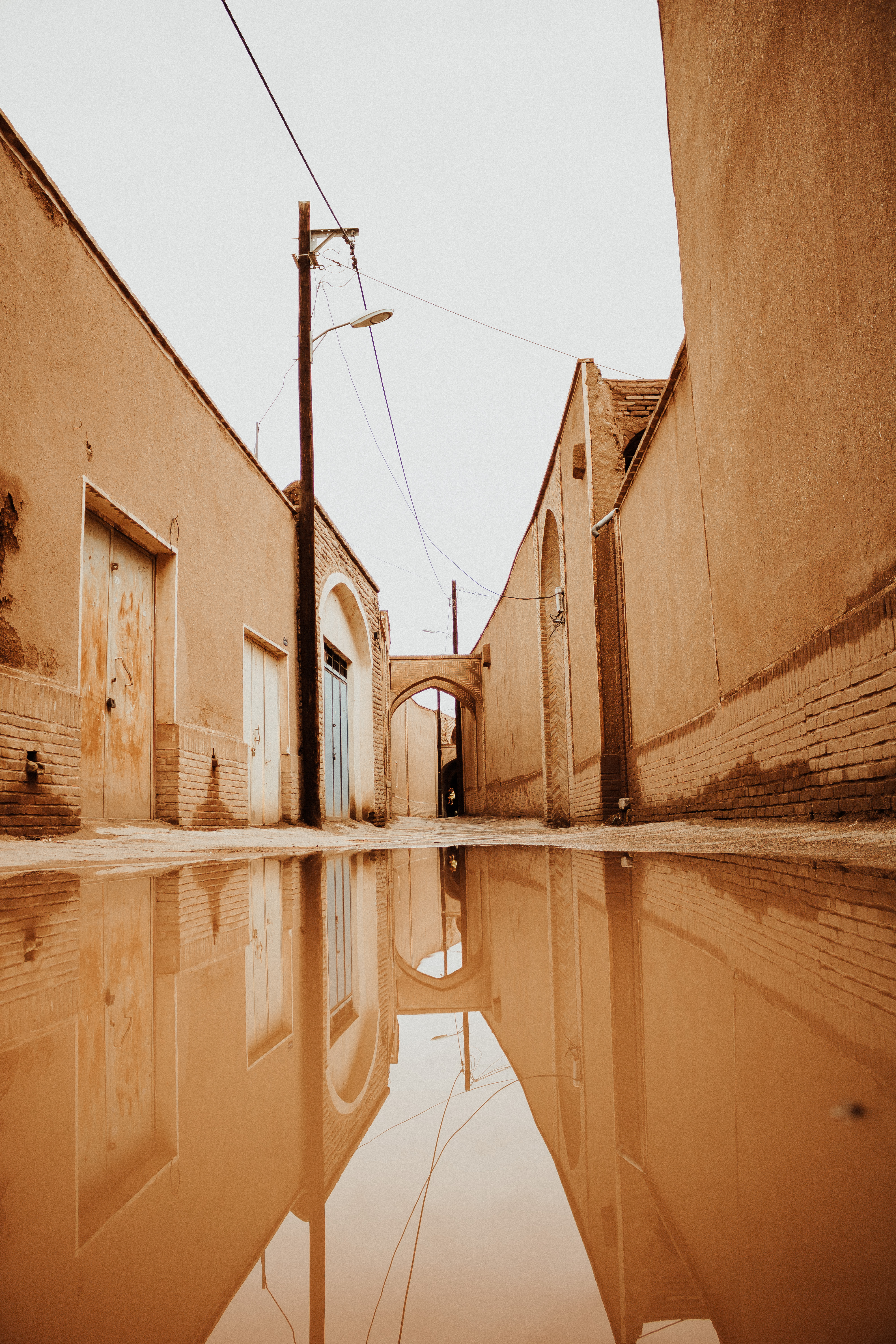
Reflection. 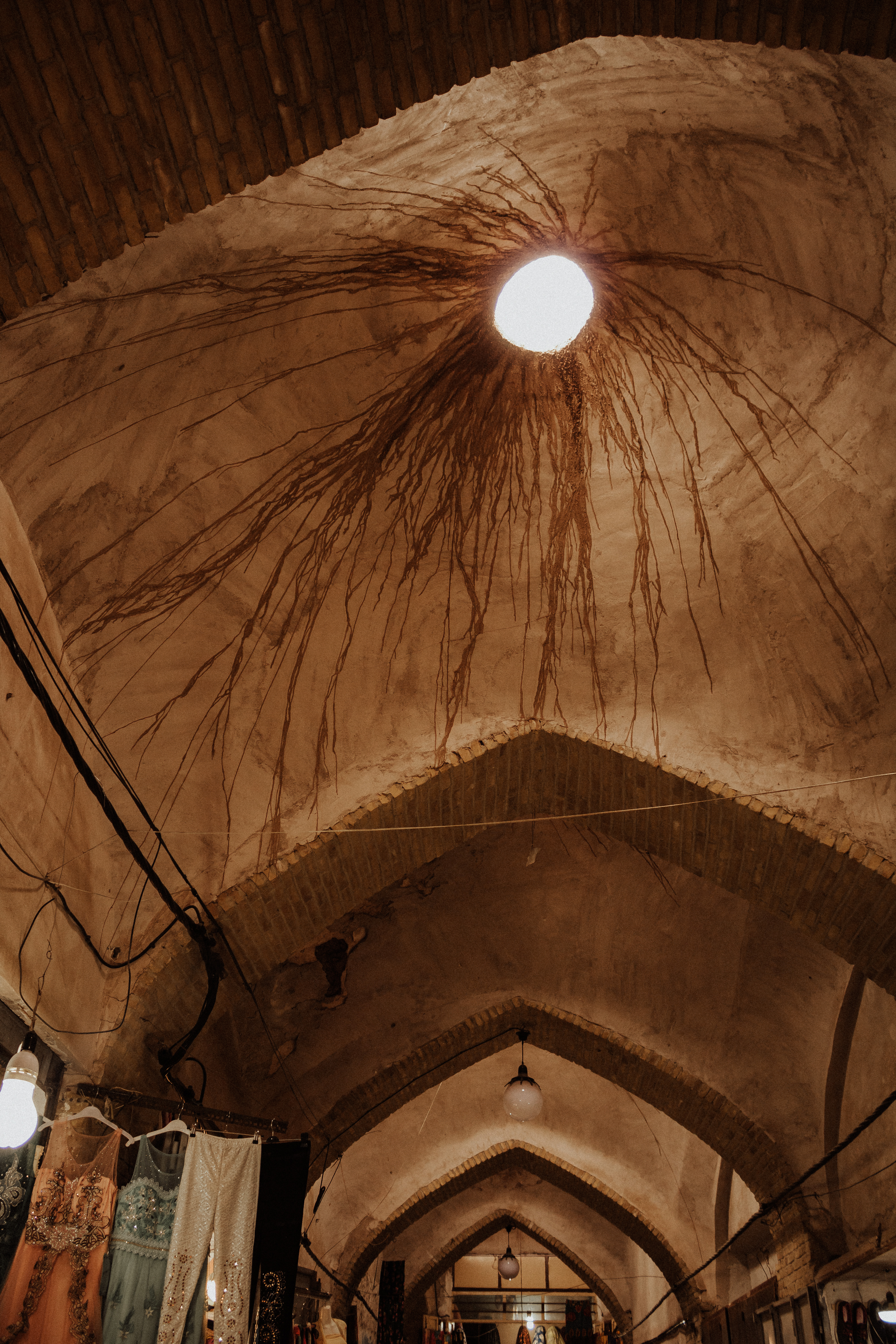
Time is cruel. 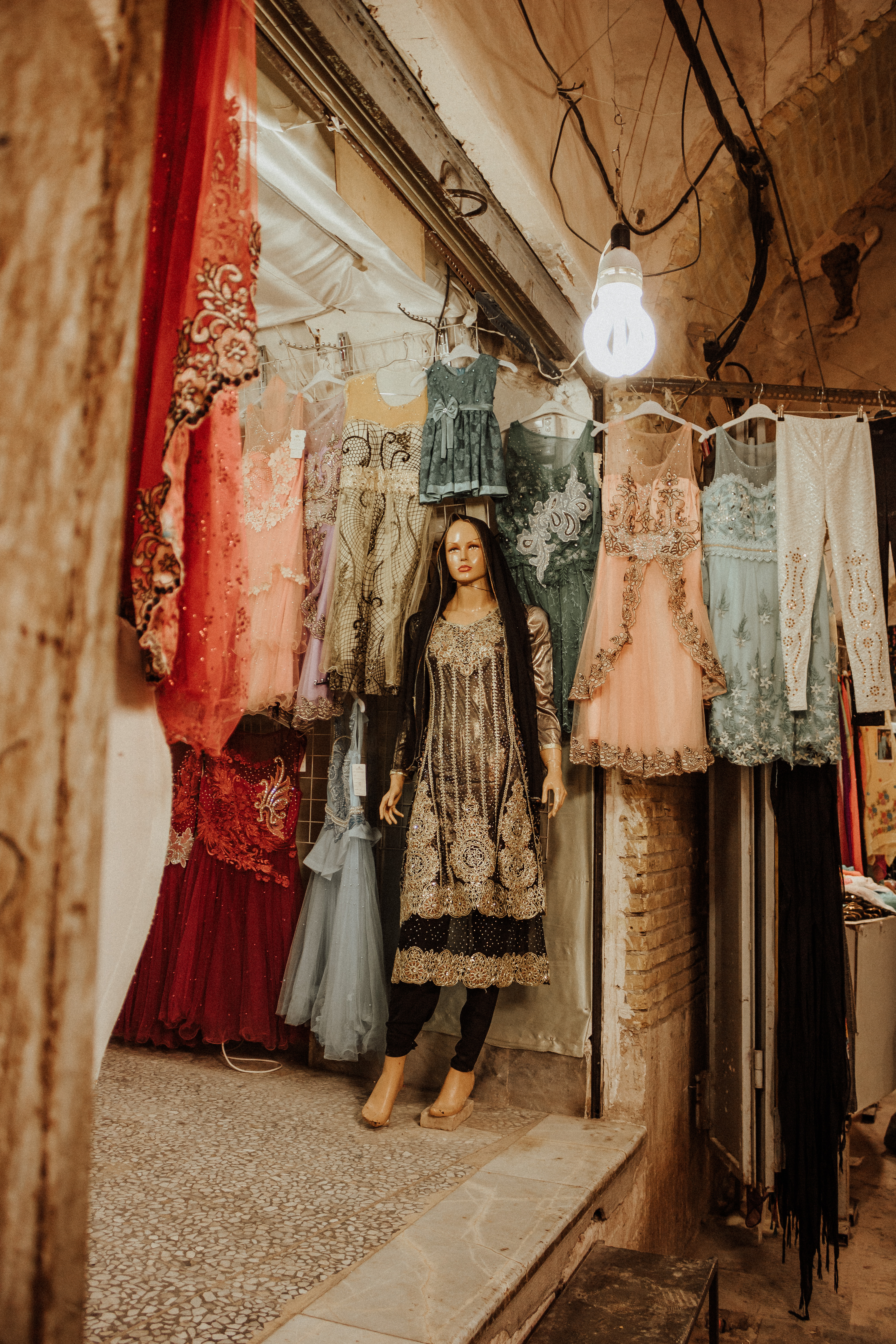
Signs, we are getting close to Pakistan.
We could have filled our car up with carpets, teas, ceramics and silk… if we had any space left in our car.
If you get a chance, don’t miss out on Kerman.
Our car proved quite popular wherever we went in Iran. Young and old, smiled and waved. This was hardly a problem but sometimes, the drivers would come too close or pull some unnecessary manoeuvre to either overtake us or urge us to race. Obviously, we were happy to simply wave back and smile. Trouble with local police is the last thing we’d need in any foreign country.
We did kinda, sorta, cause a little accident in Kerman, merely by our presence. As we were parked on the side of the road, sorting out our route ahead, three cars passed us by, the drivers of each with their eyes fixed on us, instead of the road and the red traffic signal ahead of them. The result was a small pile-on but thankfully, nobody was seriously hurt. The old Peugeots were not much worse off than they were before either.
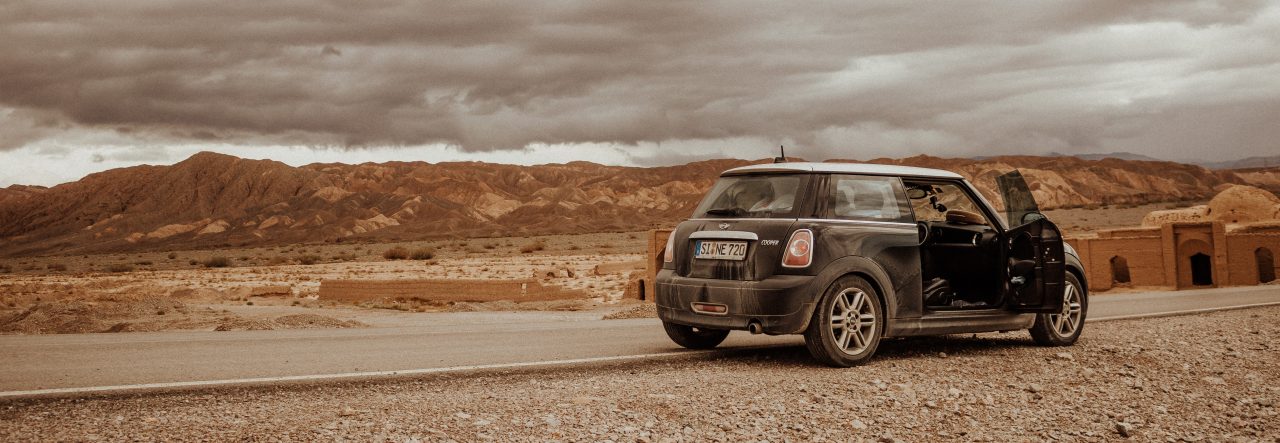
Our next stop would be Bam. On the way, the car received the best ever photo shoot that even BMW Marketing couldn’t manage.
Leaving you with a couple of bonus mobile phone shots.
I HAVE to take this shot of any mosque I visit. 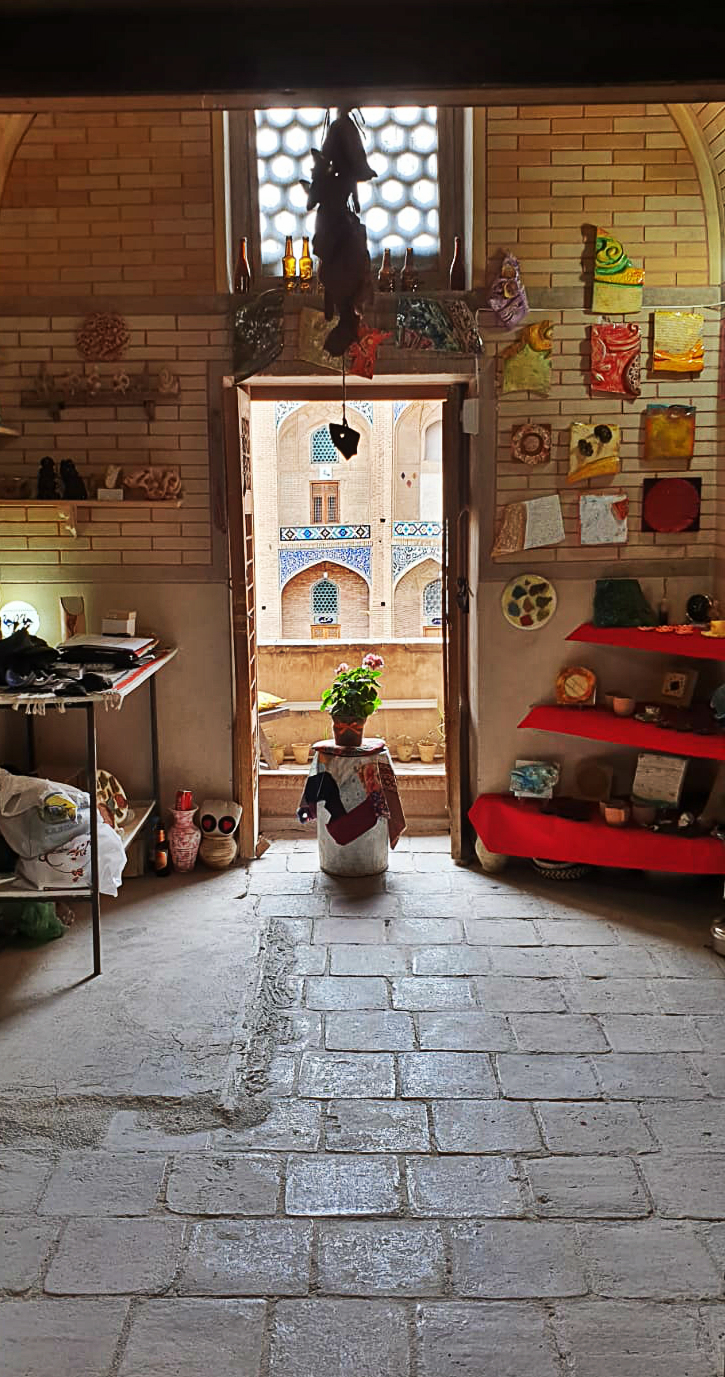
 MINI Overland